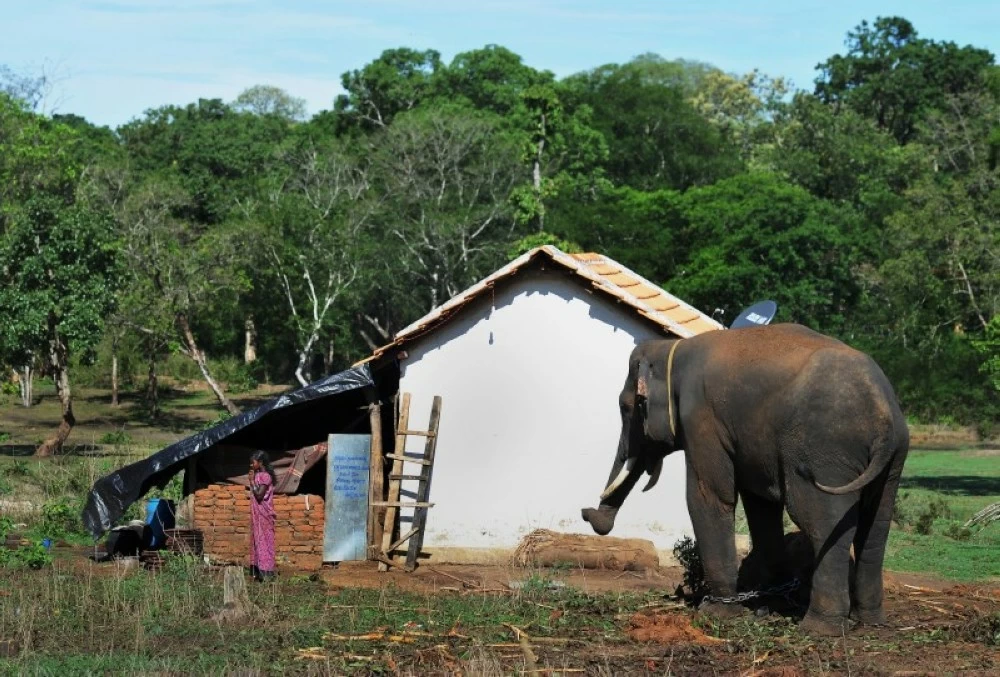
شهدت ولاية جهارخاند الهندية سلسلة حوادث مأساوية ناجمة عن هجمات فيل بري وُصف بـ«العدواني»، أسفرت عن مقتل ما لا يقل عن 17 شخصاً منذ بداية 2026، من بينهم أربعة أفراد من عائلة واحدة، وفقاً لما أوردته وسائل إعلام محلية. وأوضحت تقارير صحفية، من بينها «تايمز أوف إنديا» و«الهندو»، أن الهجمات وقعت منذ الأول من يناير الجاري في منطقة ويست سينغبوم، واستهدفت عدة قرى في مواقع متفرقة، ما أثار حالة من الهلع بين السكان.
ويُعتقد أن الفيل، وهو ذكر بالغ صغير، مسؤول عن نحو 12 هجوماً منفصلاً حتى الآن. وفي واحد من أكثر الحوادث مأساوية، لقي زوج وزوجته وطفلاهما مصرعهم في قرية باباديا خلال هجوم واحد، بينما تعرض ضحايا آخرون لإصابات بالغة وُصفت بالمروعة، في مؤشر واضح على شدة العنف المصاحب للهجمات.
وتواجه السلطات المحلية، بما في ذلك فرق الغابات، صعوبات كبيرة في تعقّب الفيل، إذ أوضح ضابط الغابات الإداري، أديتيا نارايان، أن فرقاً متعددة تنفذ عمليات مراقبة ميدانية مكثفة في الحقول والمناطق المفتوحة، في محاولة لرصد تحركات الفيل الذي يُعتقد أنه يتنقل عشوائياً ضمن نطاق يصل إلى 100 كيلومتر، ويغطي ثلاث مقاطعات غابية.
من جهتها، أكدت مشرفة الغابات الإقليمية في كولهان، سميتا بانكاج، أن الأولوية القصوى للسلطات تتمثل في منع وقوع مزيد من الضحايا، مشيرة إلى خطط لتهدئة الفيل ونقله إلى منطقة آمنة فور تحديد موقعه. كما أوضح مفوض منطقة ويست سينغبوم، وشاندان كومار، أن السلطات تعمل بالتعاون مع السكان المحليين لإجلائهم من المناطق عالية الخطورة، فيما لجأ القرويون إلى استخدام الألعاب النارية وفرق الدوريات لإبعاد الفيل عن التجمعات السكنية.
ويرجّح خبراء الحياة البرية أن الفيل يمر بحالة تُعرف بـ«الموس»، وهي اضطراب هرموني يصيب ذكور الأفيال ويتسبب في ارتفاع مستويات هرمون التستوستيرون، ما يؤدي إلى سلوك عدواني وغير متوقع. وفي هذا السياق، تتعاون فرق متخصصة في الحياة البرية مع جهات حكومية ومستقلة في مختلف أنحاء الهند لإدارة الأزمة والحد من النزاعات المتزايدة بين البشر والفيلة.
ويطالب السكان المحليون بإيجاد حلول طويلة الأمد للحد من تكرار مثل هذه الحوادث، إلى جانب تعويض عائلات الضحايا، في وقت أثارت سلسلة الهجمات حالة من القلق الواسع في جهارخاند، مسلطة الضوء على المخاطر المتزايدة لدخول الحيوانات البرية إلى المناطق السكنية، لا سيما خلال ساعات الليل.
وفيما تواصل السلطات عمليات البحث والتعقّب لتهدئة الفيل ونقله بأمان، يعيش الأهالي في حالة تأهب دائم، خشية وقوع خسائر بشرية جديدة.
The Indian state of Jharkhand has witnessed a series of tragic incidents caused by attacks from a wild elephant described as "aggressive," resulting in the deaths of at least 17 people since the beginning of 2026, including four members of one family, according to local media reports. Reports from outlets such as the "Times of India" and "The Hindu" indicated that the attacks have occurred since January 1st in the West Singhbhum area, targeting several villages in scattered locations, causing panic among the residents.
The elephant, a young adult male, is believed to be responsible for about 12 separate attacks so far. In one of the most tragic incidents, a husband, wife, and their two children were killed in the village of Babadiya during a single attack, while other victims suffered severe injuries described as horrific, indicating the extreme violence accompanying the attacks.
Local authorities, including forest teams, are facing significant challenges in tracking the elephant. Forest officer Aditya Narayan explained that multiple teams are conducting intensive field monitoring operations in the fields and open areas in an attempt to locate the elephant, which is believed to be moving randomly within a range of up to 100 kilometers, covering three forest districts.
For her part, regional forest supervisor Smita Pankaj confirmed that the top priority for the authorities is to prevent further casualties, noting plans to tranquilize the elephant and relocate it to a safe area as soon as its location is determined. West Singhbhum Commissioner Shandan Kumar also clarified that the authorities are working in cooperation with local residents to evacuate them from high-risk areas, while villagers have resorted to using fireworks and patrol teams to keep the elephant away from residential gatherings.
Wildlife experts suggest that the elephant is experiencing a condition known as "musth," which is a hormonal disorder affecting male elephants that causes elevated testosterone levels, leading to aggressive and unpredictable behavior. In this context, specialized wildlife teams are collaborating with governmental and independent entities across India to manage the crisis and reduce the increasing conflicts between humans and elephants.
Local residents are calling for long-term solutions to reduce the recurrence of such incidents, alongside compensation for the families of the victims, as the series of attacks has raised widespread concern in Jharkhand, highlighting the increasing risks of wild animals entering residential areas, especially during nighttime.
As authorities continue their search and tracking operations to safely tranquilize and relocate the elephant, residents are living in a state of constant alert, fearing new human casualties.