في قلب صحراء جوراب بتشاد، حيث يعود الزمن إلى عصور غابرة، يكمن سر من أسرار تطور الإنسان يتمثل في كائن شبيه بالقرد عاش قبل نحو 7 ملايين سنة، ويُعتقد الآن أنه أول من خطا خطوات الوقوف المنتصب، السمة التي ميزتنا كبشر.
تفاصيل الدراسة
دراسة جديدة نشرت في مجلة «Science Advances» تقدم أقوى دليل حتى الآن على أن «ساهيلانثروبوس تشادينسيس» (Sahelanthropus tchadensis) كان يمشي على قدمين، رغم مظهره القردي الواضح.
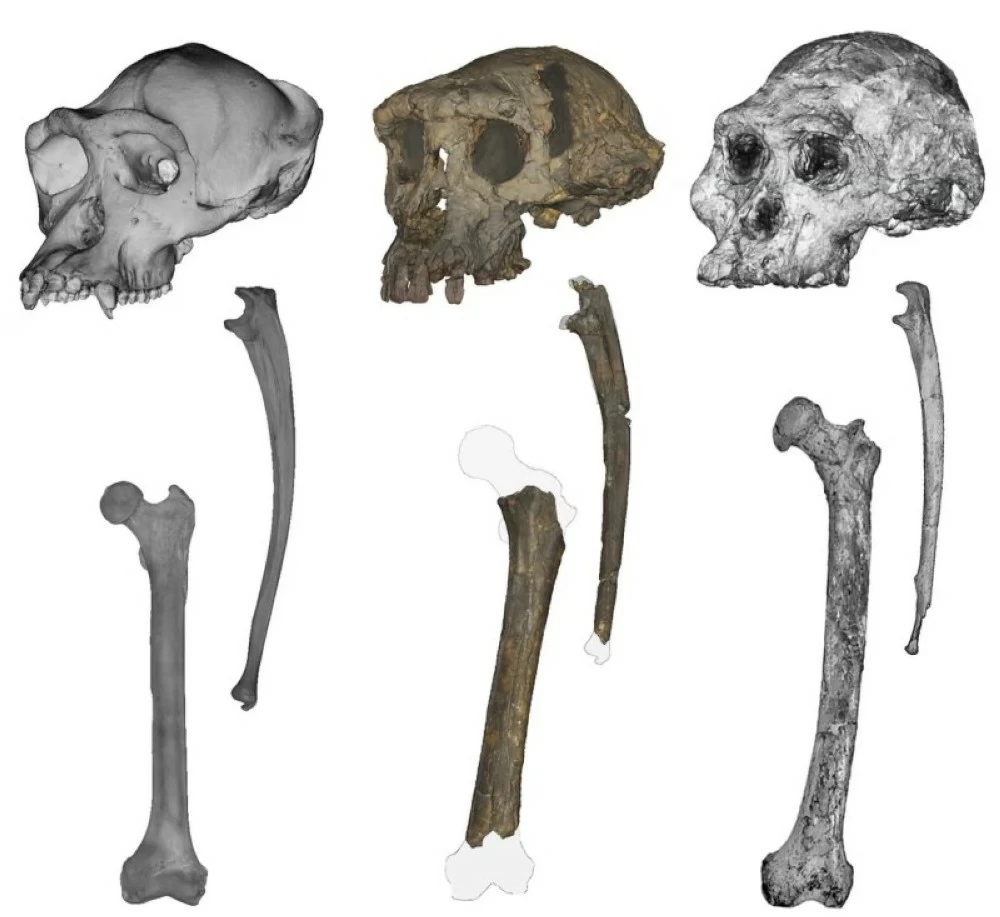
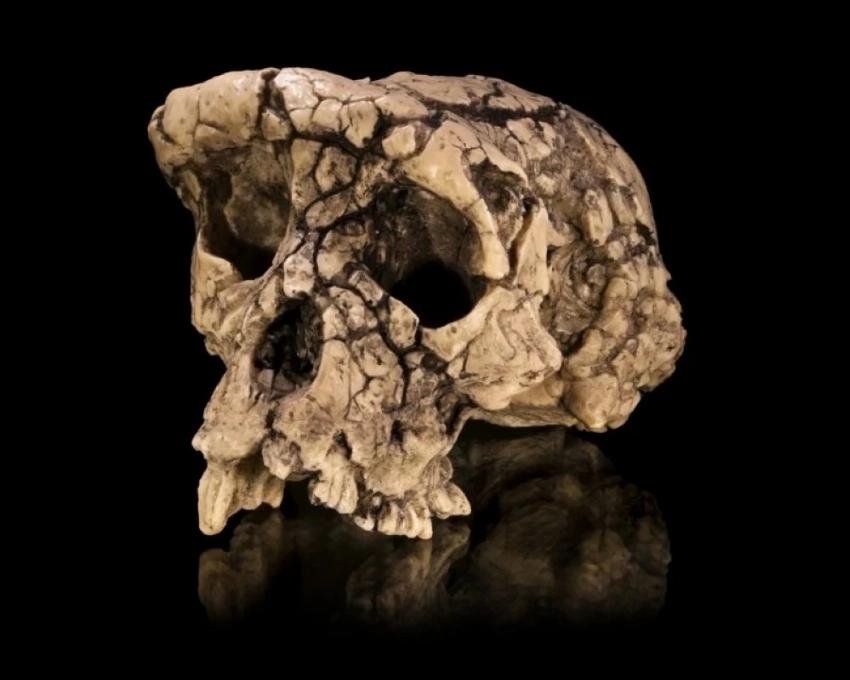
قاد الدراسة الدكتور سكوت ويليامز، أستاذ مشارك في جامعة نيويورك، الذي أعاد مع فريقه فحص عظمة فخذ جزئية وعظمتي ساعد اكتُشفتا مع الجمجمة الشهيرة «توماي» عام 2001، باستخدام تقنيات حديثة مثل التصوير ثلاثي الأبعاد والمقارنة التشريحية، وخلص الباحثون إلى أن هذا الكائن كان مُكيفاً للمشي المنتصب، رغم اعتماده على الأشجار للطعام والأمان.
ويُعد ساهيلانثروبوس أقدم عضو معروف في السلالة البشرية (hominin) بعد الانفصال التطوري عن الشمبانزي، وقال ويليامز: «بناءً على السمات التي وجدناها، كان يبدو كقرد يمشي على قدمين، أقرب إلى الشمبانزي أو البونوبو»، وأوضح أن الشمبانزي والبونوبو يمشيان منتصبين لمسافات قصيرة، لكنهما يعتمدان أساساً على المشي على المفاصل.
ربع قرن من الجدل
وبدأ الجدل عام 2001 عندما اكتشف البروفيسور ميشيل برونيه من جامعة بواتييه في فرنسا أحافير قليلة في تشاد، وأعلن أن النوع مشى منتصباً بناءً على طريقة حمل الرأس، ووصفه بـ«سلف كل البشرية»، لكن علماء آخرين شككوا، خاصة مع غياب عظام الجزء السفلي من الجسم، لاحقاً، ظهرت عظمة فخذ وعظام ساعد، لكنها لم تحسم الأمر.
اكتشافات جديدة
وفي الدراسة الجديدة، ركز ويليامز على نتوء في عظمة الفخذ يُدعى «الدرنة الفخذية» (femoral tubercle)، نقطة التصاق أكبر رباط في الجسم، وأوضح ويليامز: «هذا الرباط يرتخي عند الجلوس ويشد عند الوقوف، يمنع الجذع من السقوط، وهو تكيف مهم للمشي على قدمين لم يُعرف إلا في hominins».
وكشفت التحاليل سمات أخرى: التواء طبيعي في الفخذ يوجه الساق للأمام، وعضلات أرداف تثبت الوركين أثناء الوقوف والمشي والركض، كما أن الفخذ كان أطول نسبياً مقارنة بالساعد، دليل إضافي على التكيف مع المشي المنتصب.
ويرى ويليامز أن هذا الكائن عاش حول زمن الانفصال بين البشر والشمبانزي، مشى منتصباً على الأرض ولو جزئياً، مع الاعتماد على الأشجار.
جدل لا ينتهي
لكن الجدل مستمر، حيث قالت الدكتورة مارين كازيناف من معهد ماكس بلانك للأنثروبولوجيا التطورية إن معظم السمات تشبه القردة الإفريقية الكبرى، ووصفت الأدلة على المشي المنتصب بـ«الضعيفة»، أما الدكتورة ريانا دروموند-كلارك من المعهد نفسه، فوجدت بعض الأدلة مقنعة، لكنها تساءلت عما إذا كان المشي للتنقل في الأشجار أم على الأرض.
ورحب الدكتور غيوم دافير والدكتور فرانك غي من جامعة بواتييه بالأدلة الجديدة، لكنهما أكدا أن الجدل لن ينتهي بدون أحافير إضافية.
واختتم ويليامز: «إنها حالة من قلة الأحافير وكثرة الباحثين»، هذه الدراسة تعيد رسم بدايات تطورنا، مؤكدة أن المشي المنتصب بدأ مبكراً جداً في سلالتنا.
In the heart of the Gorab Desert in Chad, where time returns to ancient eras, lies a secret of human evolution represented by a creature resembling a monkey that lived about 7 million years ago, and is now believed to be the first to have taken steps towards upright walking, a characteristic that distinguishes us as humans.
Study Details
A new study published in the journal "Science Advances" provides the strongest evidence yet that "Sahelanthropus tchadensis" walked on two legs, despite its clearly monkey-like appearance.
The study was led by Dr. Scott Williams, an associate professor at New York University, who, along with his team, re-examined a partial femur and two arm bones discovered with the famous skull "Toumai" in 2001, using modern techniques such as 3D imaging and anatomical comparison. The researchers concluded that this creature was adapted for upright walking, despite its reliance on trees for food and safety.
Sahelanthropus is considered the oldest known member of the human lineage (hominin) after the evolutionary split from chimpanzees. Williams stated, "Based on the features we found, it looked like a monkey walking on two legs, closer to chimpanzees or bonobos," explaining that chimpanzees and bonobos walk upright for short distances but primarily rely on knuckle-walking.
A Quarter Century of Controversy
The controversy began in 2001 when Professor Michel Brunet from the University of Poitiers in France discovered a few fossils in Chad and announced that the species walked upright based on the way it held its head, describing it as "the ancestor of all humanity." However, other scientists were skeptical, especially with the absence of lower body bones. Later, a femur and arm bones appeared, but they did not settle the matter.
New Discoveries
In the new study, Williams focused on a bump on the femur called the "femoral tubercle," the attachment point for the largest ligament in the body. Williams explained, "This ligament relaxes when sitting and tightens when standing, preventing the trunk from falling. It is an important adaptation for bipedalism that is only known in hominins."
Analyses revealed other features: a natural twist in the femur that directs the leg forward, and gluteal muscles that stabilize the hips during standing, walking, and running. Additionally, the femur was relatively longer compared to the arm, providing further evidence of adaptation for upright walking.
Williams believes this creature lived around the time of the split between humans and chimpanzees, walking upright on the ground, at least partially, while still relying on trees.
Endless Debate
However, the debate continues, as Dr. Marine Kazinav from the Max Planck Institute for Evolutionary Anthropology stated that most features resemble those of great African apes and described the evidence for upright walking as "weak." Meanwhile, Dr. Rhianna Drummond-Clark from the same institute found some evidence convincing but questioned whether the walking was for navigating trees or on the ground.
Dr. Guillaume Daver and Dr. Frank Guy from the University of Poitiers welcomed the new evidence but emphasized that the debate will not end without additional fossils.
Williams concluded, "It is a case of few fossils and many researchers." This study redraws the beginnings of our evolution, confirming that upright walking began very early in our lineage.