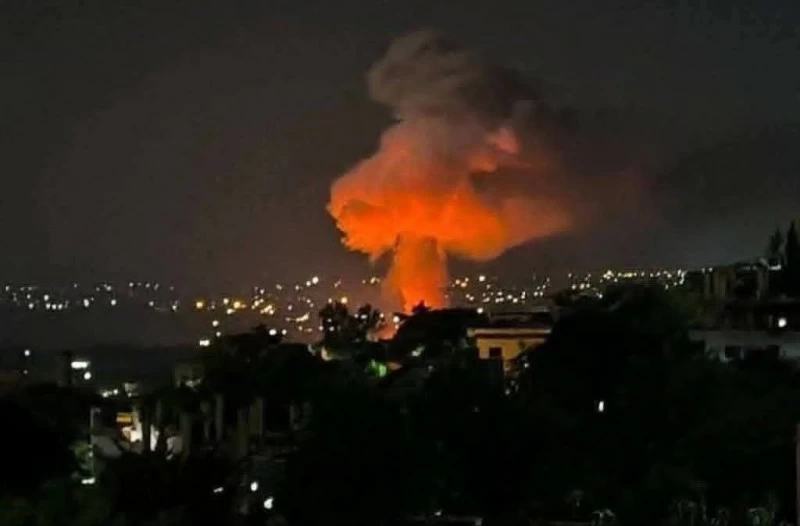
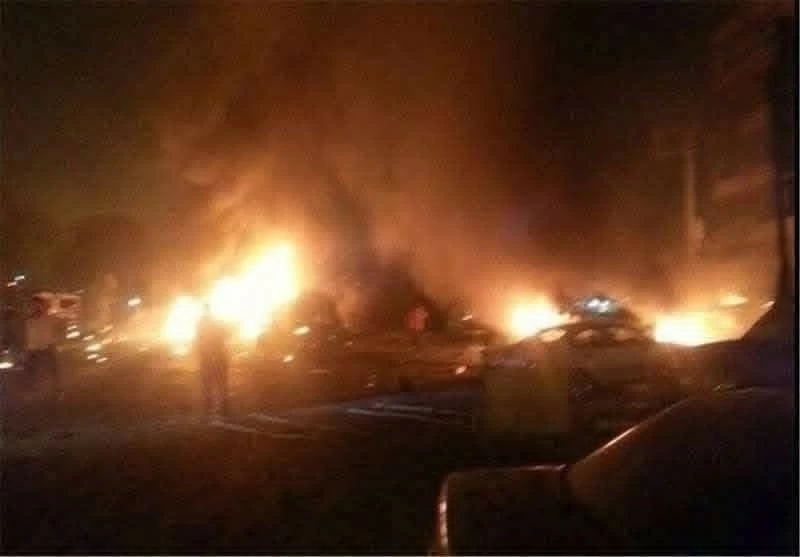
بعد ساعات من إعلان حكومة طالبان شنّها هجوماً حدودياً ضد باكستان، أعلنت إسلام أباد تنفيذ غارات جوية على العاصمة الأفغانية كابل ومدينة قندهار، في تصعيد عسكري غير مسبوق بين الجارتين. وأكدت إسلام أباد أن الضربات استهدفت مواقع دفاعية تابعة لحركة طالبان في كابل وقندهار وبكتيا، ضمن عملية قالت إنها تهدف إلى تقويض قدرات الحركة وإضعاف بنيتها الميدانية.
اتهامات مباشرة لـ«طالبان»
وزير الدفاع الباكستاني اعتبر أن أفغانستان، منذ انسحاب حلف شمال الأطلسي، لم تتجه نحو السلام كما كان مأمولاً، بل تحولت –بحسب وصفه– إلى ساحة جمعت إرهابيين من أنحاء العالم وبدأت بتصدير الإرهاب. واتهم طالبان بعدم الالتزام بتعهدات الاستقرار، بل بتحويل البلاد إلى «مستعمرة للهند» -على حد قوله- والعمل وكيلاً لمصالحها في المنطقة.
وأكد أن بلاده استنفدت المسارات الدبلوماسية، سواء عبر قنوات مباشرة أو من خلال دول صديقة، للحفاظ على الوضع الطبيعي وتجنب التصعيد، غير أن تلك الجهود لم تحقق اختراقاً. وختم بتصريح حاد عبر منصة «إكس» معلناً أن صبر إسلام أباد «نفد»، وأنها «ستخوض حرباً مفتوحة» في مواجهة التهديدات.
وأفاد التلفزيون الباكستاني الرسمي (PTV) بأن القوات المسلحة الباكستانية شنت غارات جوية استهدفت منشآت عسكرية حيوية تابعة لحركة طالبان الأفغانية في كل من كابل وقندهار وبكتيكا.
وأوضح التلفزيون الرسمي، أن الغارات أسفرت عن تدمير مقري قيادة لواءين في العاصمة كابل، في حين دُمر مقر قيادة فيلق ومقر قيادة لواء في ولاية قندهار.
ووفقا للمصدر ذاته، أدت الضربات الجوية أيضا إلى تدمير مستودع ذخيرة وقاعدة لوجستية في قندهار، فضلا عن تدمير مقر قيادة فيلق في ولاية بكتيكا.
حصيلة ثقيلة للمعارك
من جانبه، أعلن وزير الإعلام الباكستاني أن العمليات أسفرت عن مقتل 133 عنصراً من طالبان وإصابة أكثر من 200 آخرين، إضافة إلى تدمير 27 موقعاً تابعاً للحركة والسيطرة على 9 مواقع أخرى.
في المقابل، أعلنت وزارة الدفاع الأفغانية مقتل 55 جندياً باكستانياً وأسر آخرين خلال هجمات استهدفت 19 موقعاً عسكرياً على طول خط الحدود. وأكدت أن العمليات جاءت «دفاعاً عن الأراضي والشعب»، مشيرة إلى سقوط 8 من عناصر الجيش الأفغاني خلال المواجهات، قبل أن يتم وقف العمليات القتالية منتصف الليل بأمر من رئيس الأركان.
وسُمع دوي انفجارات وأصوات طائرات في كابل بعد ساعات من الهجوم الأفغاني، فيما تحدثت الحكومة الأفغانية عن غارات باكستانية في كابل وقندهار وبكتيا دون الإبلاغ عن إصابات.
توتر مزمن.. ودبلوماسية متعثرة
العلاقات بين البلدين شهدت تدهوراً متسارعاً في الأشهر الأخيرة، مع إغلاق المعابر الحدودية منذ معارك أكتوبر التي أوقعت أكثر من 70 قتيلاً من الجانبين. ورغم جولات تفاوض أعقبت وقفاً أول لإطلاق النار بوساطة قطر وتركيا، فإن المساعي الدبلوماسية لم تُفضِ إلى اتفاق دائم.
وتتهم إسلام أباد كابول بالتقاعس عن ملاحقة جماعات مسلحة تنفذ هجمات داخل باكستان انطلاقاً من الأراضي الأفغانية، وهو ما تنفيه حكومة طالبان.
هجمات «داعش» تشعل المشهد
وجاء التصعيد الأخير بعد سلسلة تفجيرات انتحارية، من بينها هجوم على مسجد شيعي في باكستان أوقع ما لا يقل عن 40 قتيلاً، وتبناه تنظيم داعش. كما أعلنت «ولاية خراسان» التابعة للتنظيم مسؤوليتها عن تفجير انتحاري استهدف مطعماً في كابل الشهر الماضي.
Hours after the Taliban government announced its border attack against Pakistan, Islamabad declared that it had carried out airstrikes on the Afghan capital Kabul and the city of Kandahar, marking an unprecedented military escalation between the two neighbors. Islamabad confirmed that the strikes targeted Taliban defensive positions in Kabul, Kandahar, and Paktia, as part of an operation it said aimed to undermine the group's capabilities and weaken its ground structure.
Direct Accusations Against "Taliban"
The Pakistani Defense Minister stated that Afghanistan, since the withdrawal of NATO, has not moved towards peace as hoped, but has instead – as he described it – turned into a battleground that has gathered terrorists from around the world and has begun exporting terrorism. He accused the Taliban of failing to adhere to commitments for stability, instead turning the country into a "colony of India" - as he put it - and acting as an agent for its interests in the region.
He confirmed that his country had exhausted diplomatic avenues, whether through direct channels or via friendly nations, to maintain normalcy and avoid escalation, but those efforts had not achieved a breakthrough. He concluded with a sharp statement via the "X" platform, announcing that Islamabad's patience had "run out," and that it would "engage in an open war" against the threats.
The official Pakistani television (PTV) reported that the Pakistani armed forces launched airstrikes targeting vital military facilities belonging to the Afghan Taliban in Kabul, Kandahar, and Paktika.
The official television clarified that the strikes resulted in the destruction of the command centers of two brigades in the capital Kabul, while a corps command center and a brigade command center were destroyed in Kandahar province.
According to the same source, the airstrikes also led to the destruction of an ammunition depot and a logistics base in Kandahar, as well as the destruction of a corps command center in Paktika province.
Heavy Toll from the Battles
For his part, the Pakistani Information Minister announced that the operations resulted in the deaths of 133 Taliban members and injuries to more than 200 others, in addition to the destruction of 27 sites belonging to the group and the control of 9 other sites.
In contrast, the Afghan Ministry of Defense announced the death of 55 Pakistani soldiers and the capture of others during attacks targeting 19 military sites along the border. It confirmed that the operations were conducted "in defense of the land and the people," noting that 8 members of the Afghan army fell during the confrontations, before combat operations were halted at midnight by order of the Chief of Staff.
Sounds of explosions and aircraft were heard in Kabul hours after the Afghan attack, while the Afghan government reported Pakistani airstrikes in Kabul, Kandahar, and Paktia without reporting any casualties.
Chronic Tension... and Stalled Diplomacy
Relations between the two countries have witnessed a rapid deterioration in recent months, with border crossings closed since the October battles that resulted in over 70 deaths on both sides. Despite rounds of negotiations following an initial ceasefire mediated by Qatar and Turkey, diplomatic efforts have not led to a permanent agreement.
Islamabad accuses Kabul of failing to pursue armed groups that carry out attacks inside Pakistan from Afghan territory, which the Taliban government denies.
ISIS Attacks Ignite the Scene
The recent escalation followed a series of suicide bombings, including an attack on a Shia mosque in Pakistan that resulted in at least 40 deaths, claimed by ISIS. The "Khorasan Province" of the organization also announced responsibility for a suicide bombing targeting a restaurant in Kabul last month.