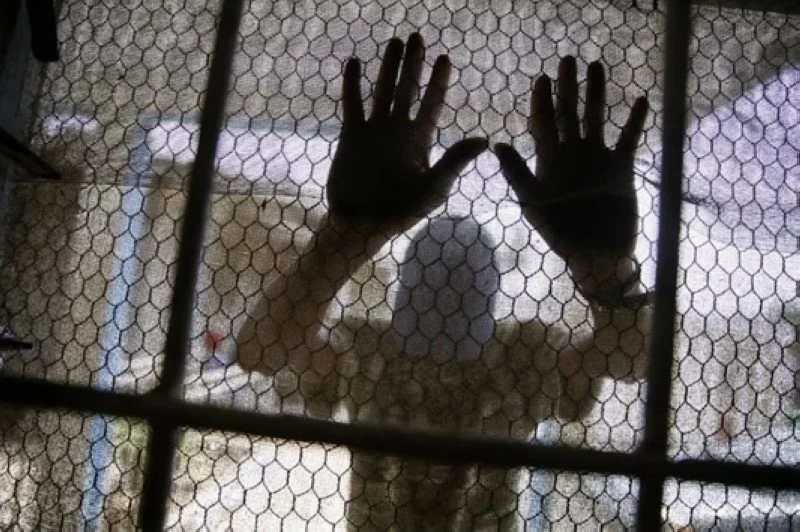
استفاق سكان حي السعادة بمدينة الجديدة المغربية أمس (الخميس) على وقع جريمة هزّت الرأي العام المحلي، بعدما قُتل مسن سبعيني وهو في طريقه إلى المسجد لأداء صلاة الفجر. أصابع الاتهام اتجهت سريعًا نحو شاب من الحي نفسه، كان اسمه متداولًا منذ أسابيع بين الجيران باعتباره «قنبلة موقوتة» تسير على قدمين.
وبحسب معطيات متطابقة من أسرته وجيرانه، كان المشتبه فيه يعيش حياة عادية، يوصف بين معارفه بـ«الظريف»، قبل أن ينزلق إلى تعاطي المخدرات، ويدخل في دوامة اضطرابات نفسية حادة، اتسمت بنوبات هيستيرية، قلق دائم، وميل متزايد إلى العنف.
نُقل الشاب إلى مستشفى الأمراض النفسية، حيث شُخّصت حالته وصُرفت له أدوية ساعدته على استعادة قدر من التوازن. لفترة من الزمن، بدا أن الأمور تسير نحو التعافي. لكن التوقف المفاجئ عن تناول الدواء، والعودة إلى الإدمان، أعادا الوضع إلى نقطة الصفر، بل أسوأ.
تحذيرات سبقت الكارثة
مع تفاقم حالته، أصبح الشاب يشكل خطرًا على نفسه وعلى محيطه. فقد اعتدى على والدته بسلاح أبيض، مخلفًا إصابة خطيرة في يدها، وهدد أفراد أسرته مرارًا، ما اضطرهم إلى مغادرة المنزل في أوقات كثيرة، والمبيت عند الأقارب أو حتى في درج البناية اتقاءً لعدوانيته.
الأسرة لجأت إلى السلطات المحلية والأمن الوطني مطالبةً بنقله قسرًا إلى مستشفى مختص، خصوصًا بعد توقفه عن العلاج وتدهور حالته. وبعد مسار طويل من الأخذ والرد، حصلت على ورقة توجيه نحو مؤسسة استشفائية. غير أن الاكتظاظ حال دون إيوائه، رغم أن وضعه كان يستدعي المتابعة داخل المستشفى.
وفي تصريحات سابقة لوسائل إعلام محلية، حذرت الأسرة صراحة من احتمال ارتكاب ابنها جريمة قتل في حق أحد أفراد العائلة أو الجيران أو حتى في الشارع العام. واستحضرت واقعة خنقه قطة في وقت سابق، باعتبارها مؤشرًا خطيرًا على تصاعد السلوك العدواني.
الجريمة التي طرحت السؤال المؤجل
وفي صباح الخميس، تحققت المخاوف. قُتل المسن السبعيني في الشارع العام، وجرى توقيف المشتبه فيه، فيما تتواصل الأبحاث القضائية تحت إشراف النيابة العامة المختصة، في انتظار نتائج التشريح الطبي.
لكن خلف تفاصيل الجريمة، يبرز سؤال أكبر:
هل كان بالإمكان تفادي هذه النهاية؟
جريمة الجديدة لم تعد مجرد ملف جنائي، إنها مرآة تعكس أهمية التعامل مع الاضطرابات النفسية حين تتقاطع مع الإدمان والفقر والاكتظاظ في المؤسسات العلاجية. فبين أسرة استغاثت، وجيران احتاطوا، ومؤسسات اصطدمت بالاكتظاظ، سقط ضحية كان في طريقه إلى الصلاة.
The residents of the Al-Saada neighborhood in the Moroccan city of El Jadida woke up yesterday (Thursday) to the news of a crime that shook the local public opinion, after a seventy-year-old man was killed while on his way to the mosque to perform the Fajr prayer. Fingers of accusation quickly pointed towards a young man from the same neighborhood, whose name had been circulating among the neighbors for weeks as a “ticking time bomb” walking on two feet.
According to consistent information from his family and neighbors, the suspect was living a normal life, described by those who knew him as “pleasant,” before he slipped into drug use and fell into a spiral of severe psychological disorders, characterized by hysterical episodes, constant anxiety, and an increasing tendency towards violence.
The young man was transferred to a psychiatric hospital, where his condition was diagnosed and medications were prescribed that helped him regain some balance. For a period of time, it seemed that things were moving towards recovery. However, a sudden stop in taking medication and a return to addiction brought the situation back to square one, even worse.
Warnings Preceding the Catastrophe
As his condition worsened, the young man became a danger to himself and those around him. He assaulted his mother with a sharp weapon, causing a serious injury to her hand, and repeatedly threatened family members, forcing them to leave the house at times and stay with relatives or even in the building's stairwell to avoid his aggression.
The family turned to local authorities and the national security, demanding that he be forcibly transferred to a specialized hospital, especially after he stopped treatment and his condition deteriorated. After a long process of back and forth, they obtained a referral paper to a medical institution. However, overcrowding prevented his admission, despite the fact that his condition required hospitalization.
In previous statements to local media, the family explicitly warned of the possibility that their son might commit a murder against a family member, a neighbor, or even in the public street. They recalled an incident where he strangled a cat earlier, considering it a serious indicator of escalating aggressive behavior.
The Crime That Raised the Deferred Question
On Thursday morning, the fears were realized. The seventy-year-old man was killed in the public street, and the suspect was arrested, while judicial investigations continue under the supervision of the competent public prosecutor's office, awaiting the results of the autopsy.
But behind the details of the crime, a larger question emerges:
Could this ending have been avoided?
The El Jadida crime is no longer just a criminal case; it is a mirror reflecting the importance of addressing psychological disorders when they intersect with addiction, poverty, and overcrowding in treatment facilities. Between a family that cried for help, neighbors who took precautions, and institutions that faced overcrowding, a victim fell while on his way to prayer.