في إنجاز وطني لافت، تجاوز إجمالي التبرعات المجموعة من خلال الحملات المحلية في مختلف المحافظات والمناطق السورية حاجز الـ1.0635 مليار دولار أمريكي، ضمن مبادرة شعبية ورسمية واسعة النطاق تهدف إلى دعم جهود إعادة الإعمار وتحسين الخدمات الأساسية بعد سنوات طويلة من الحرب والدمار.
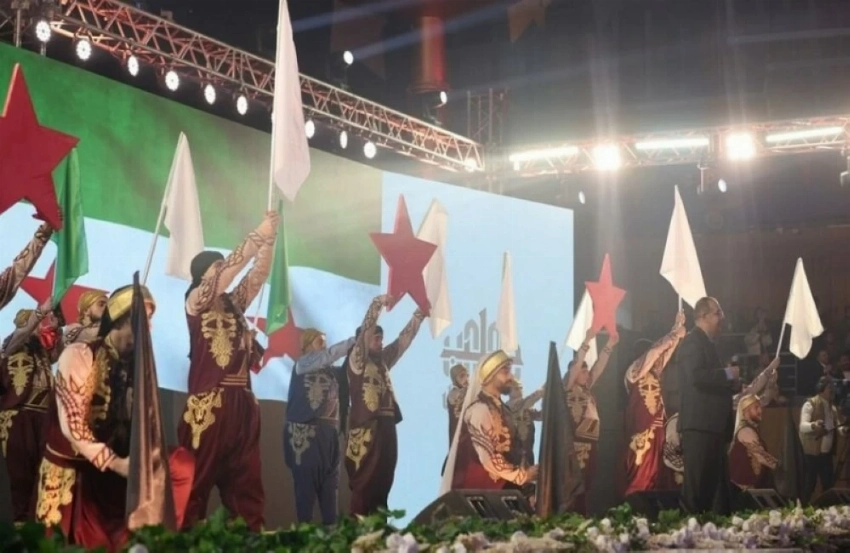
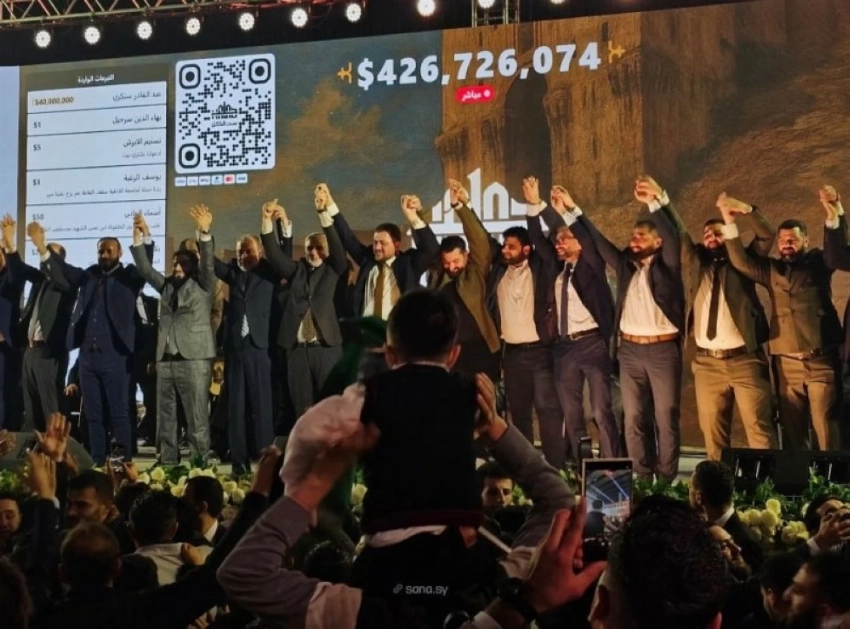
وتصدرت محافظة حلب القائمة بجمع أكثر من 426 مليون دولار من خلال حملتها الشهيرة «حلب ست الكل»، التي انطلقت في ديسمبر الجاري واستمرت 3 أيام، وسط مشاركة واسعة من رجال الأعمال، والمغتربين، والمسؤولين.
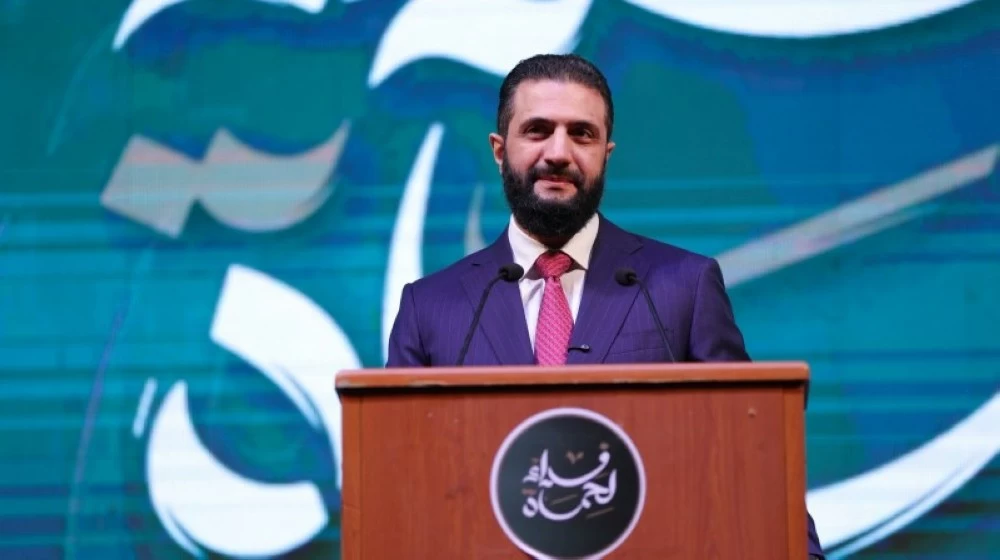
وساهمت تبرعات كبيرة من شخصيات بارزة، مثل رجل الأعمال عبد القادر سنكري ومجموعات تجارية، في رفع الحصيلة إلى هذا الرقم القياسي، متجاوزة حملات سابقة في محافظات أخرى مثل «فداء لحماة» 210 ملايين دولار، و«الوفاء لإدلب» 208 ملايين دولار.
تجاوز إجمالي التبرعات المجموعة من خلال الحملات المحلية حاجز الـ1.0635 مليار دولار أمريكي.
وتعكس هذه الحملات، التي انطلقت منذ صيف 2025 في محافظات مثل حمص، درعا، دير الزور، وريف دمشق، روح التضامن الوطني والاعتماد على الجهود الذاتية في مرحلة التعافي.
وتأتي في سياق تقديرات دولية تشير إلى أن تكلفة إعادة الإعمار الكاملة لسورية تتراوح بين 216 و400 مليار دولار، مع التركيز على ترميم البنى التحتية، المدارس، المستشفيات، والخدمات العامة مثل المياه والكهرباء.
يُشار إلى أن هذه المبادرات الشعبية، بدعم حكومي، أصبحت نموذجاً للتلاحم السوري، وسط رفع جزئي للعقوبات الدولية وتدفق استثمارات أجنبية تصل إلى مليارات الدولارات، لكن الاعتماد الأساسي يبقى على التبرعات المحلية لتعزيز الشعور بالملكية الوطنية في عملية البناء.
وبدأت موجة حملات التبرع المحلية في أغسطس 2025 بحملة «أربعاء حمص»، تلتها حملات في حوران، إدلب، حماة، وريف دمشق، ثم حلب كأكبرها.
وتشمل التبرعات نقداً، تعهدات مشاريع، ومزادات رمزية، وتُدار عبر لجان محلية مع رقابة حكومية. ورغم الإنجاز، يؤكد خبراء أن هذه المبالغ، مهما كبرت، تمثل قطرة في محيط الاحتياجات الإجمالية، لكنها تعزز الثقة في القدرة الذاتية للسوريين على بدء التعافي.
In a remarkable national achievement, the total donations collected through local campaigns across various provinces and regions of Syria have surpassed the barrier of 1.0635 billion US dollars, as part of a wide-ranging popular and official initiative aimed at supporting reconstruction efforts and improving basic services after many years of war and destruction.
The Aleppo province topped the list by raising more than 426 million dollars through its famous campaign "Aleppo is the Mother of All," which launched in December and lasted for 3 days, with wide participation from businessmen, expatriates, and officials.
Significant donations from prominent figures, such as businessman Abdel Qader Sankari and commercial groups, contributed to raising the total to this record number, surpassing previous campaigns in other provinces like "Fidaa for Hama" at 210 million dollars, and "Loyalty to Idlib" at 208 million dollars.
تجاوز إجمالي التبرعات المجموعة من خلال الحملات المحلية حاجز الـ1.0635 مليار دولار أمريكي.
These campaigns, which began in the summer of 2025 in provinces such as Homs, Daraa, Deir ez-Zor, and rural Damascus, reflect the spirit of national solidarity and reliance on self-efforts during the recovery phase.
This comes in the context of international estimates indicating that the total cost of reconstruction in Syria ranges between 216 and 400 billion dollars, with a focus on restoring infrastructure, schools, hospitals, and public services such as water and electricity.
It is noteworthy that these popular initiatives, supported by the government, have become a model for Syrian cohesion, amidst a partial lifting of international sanctions and a flow of foreign investments amounting to billions of dollars, but the primary reliance remains on local donations to enhance the sense of national ownership in the rebuilding process.
The wave of local donation campaigns began in August 2025 with the "Wednesday of Homs" campaign, followed by campaigns in Horan, Idlib, Hama, and rural Damascus, and then Aleppo as the largest.
The donations include cash, project commitments, and symbolic auctions, and are managed through local committees with government oversight. Despite the achievement, experts emphasize that these amounts, no matter how large, represent a drop in the ocean of total needs, but they enhance confidence in the self-capacity of Syrians to begin recovery.