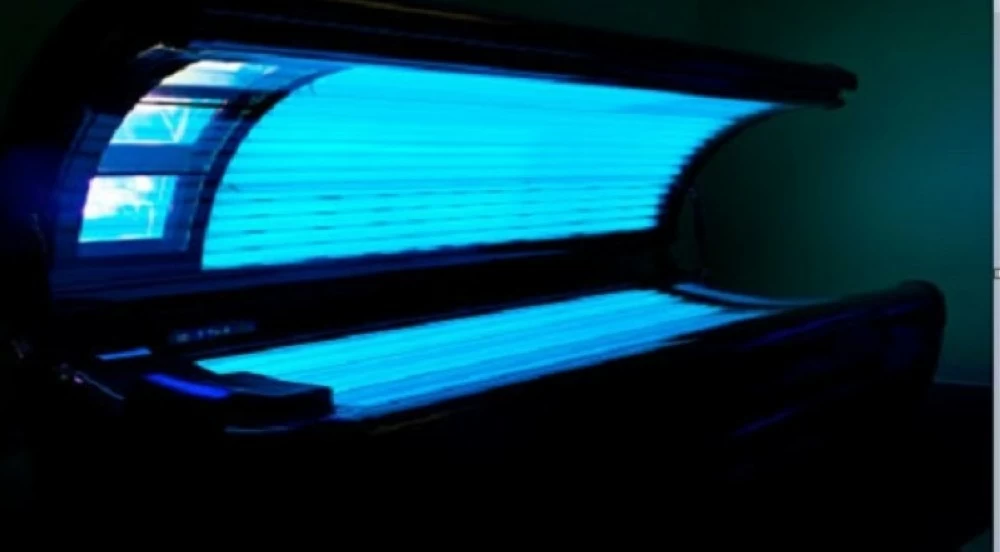
كشفت دراسة أمريكية حديثة نشرت في مجلة «ساينس أدفانسز» أن استخدام أسرة التسمير الداخلي التي تستخدم فيها أجهزة لتغيير لون الجلد إلى البني عبر الأشعة فوق البنفسجية يسرع الشيخوخة الجينية في خلايا الجلد بشكل ملحوظ، ما يؤدي إلى تراكم طفرات جينية مرتبطة بسرطان الجلد الميلانيني أكثر مما يحدث مع التعرض الطبيعي للشمس.
وأجرى الدراسة باحثون من جامعة كاليفورنيا في سان فرانسيسكو وجامعة نورث وسترن، وأظهرت أن جلد مستخدمي أسرة التسمير في الثلاثينات والأربعينات من العمر يحمل طفرات أكثر من جلد أشخاص في السبعينات والثمانينات لا يستخدمونها، أي أن الجلد يبدو «أكبر بعقود» على المستوى الجيني.
خطر الأشعة البنفسجية
وأوضح الباحثون أن الطفرات تتراكم بشكل خاص في مناطق الجسم المحمية عادة من الشمس، مثل أسفل الظهر، حيث يتعرض الجسم بالكامل للأشعة فوق البنفسجية الاصطناعية في أسرة التسمير.
كما ارتبط استخدام هذه الأجهزة بزيادة خطر الإصابة بالميلانوما بنحو 3 مرات، حيث قال الباحث الرئيسي هانتر شاين من جامعة كاليفورنيا إن «جلد مستخدمي أسرة التسمير مليء ببذور السرطان – خلايا تحمل طفرات معروفة تؤدي إلى الميلانوما».
وشملت الدراسة تحليل سجلات طبية لأكثر من 32 ألف مريض، إضافة إلى تسلسل جيني لـ182 خلية جلدية من 26 متطوعاً، وأكدت أن الطفرات في خلايا الصباغ لدى مستخدمي التسمير الداخلي تفوق ضعف ما في المجموعة الضابطة، مع طفرات مرضية مرتبطة مباشرة بالميلانوما.
زيادة خطر الإصابة بالسرطان
وتشير الدراسة إلى أن هذا النوع من التغيرات الجينية يمكن أن يزيد من خطر الإصابة بسرطان الجلد، الذي تصفه الجمعية الأمريكية للسرطان بأنه أكثر أنواع السرطان انتشاراً في الولايات المتحدة.
ويعد سرطان الميلانوما (نوع خطير من سرطان الجلد ينشأ في الخلايا المنتجة للصبغة) أكثر أشكال المرض فتكاً رغم أنه لا يمثل سوى 1% من حالات سرطان الجلد، إذ يودي بحياة نحو 11 ألف أمريكي سنوياً.
وترى الدراسة أن السبب الأساسي يعود إلى الأشعة فوق البنفسجية (أشعة طاقتها عالية قد تضر الحمض النووي) سواء من الشمس أو من أجهزة التسمير.
ويُصنف التعرض لأسرة التسمير من قبل منظمة الصحة العالمية كمسرطن من الفئة الأولى (مثل التدخين والأسبستوس)، وهو شائع خصوصاً بين الشباب والنساء.
وتعتبر الدراسة الأولى من نوعها التي تثبت آلية جزيئية مباشرة لكيفية إحداث الأشعة الاصطناعية تلفاً جينياً واسع النطاق، حتى في الجلد «الطبيعي» دون شامات، ما يفسر ظهور الميلانوما في مناطق غير معرضة للشمس عادة.
A recent American study published in the journal "Science Advances" revealed that the use of indoor tanning beds, which employ devices to change skin color to brown through ultraviolet rays, significantly accelerates genetic aging in skin cells, leading to a greater accumulation of genetic mutations associated with melanoma skin cancer than what occurs with natural sun exposure.
The study was conducted by researchers from the University of California, San Francisco, and Northwestern University, and it showed that the skin of users of tanning beds in their thirties and forties carries more mutations than the skin of individuals in their seventies and eighties who do not use them, meaning that the skin appears "decades older" at the genetic level.
The Risk of Ultraviolet Rays
The researchers explained that mutations accumulate particularly in areas of the body that are usually protected from the sun, such as the lower back, where the entire body is exposed to artificial ultraviolet rays in tanning beds.
The use of these devices has also been linked to an approximately threefold increased risk of developing melanoma, with lead researcher Hunter Shine from the University of California stating that "the skin of tanning bed users is filled with cancer seeds – cells that carry known mutations leading to melanoma."
The study included an analysis of medical records for over 32,000 patients, in addition to genetic sequencing of 182 skin cells from 26 volunteers, confirming that the mutations in the pigment cells of indoor tanning users exceed twice those in the control group, with pathological mutations directly linked to melanoma.
Increased Cancer Risk
The study indicates that this type of genetic change can increase the risk of skin cancer, which the American Cancer Society describes as the most common type of cancer in the United States.
Melanoma (a dangerous type of skin cancer that originates in pigment-producing cells) is the deadliest form of the disease, despite accounting for only 1% of skin cancer cases, as it claims the lives of about 11,000 Americans annually.
The study sees the underlying cause as ultraviolet rays (high-energy rays that can damage DNA), whether from the sun or from tanning devices.
Exposure to tanning beds is classified by the World Health Organization as a Group 1 carcinogen (like smoking and asbestos), and it is particularly common among young people and women.
This study is the first of its kind to demonstrate a direct molecular mechanism by which artificial radiation causes widespread genetic damage, even in "normal" skin without moles, explaining the emergence of melanoma in areas not usually exposed to the sun.