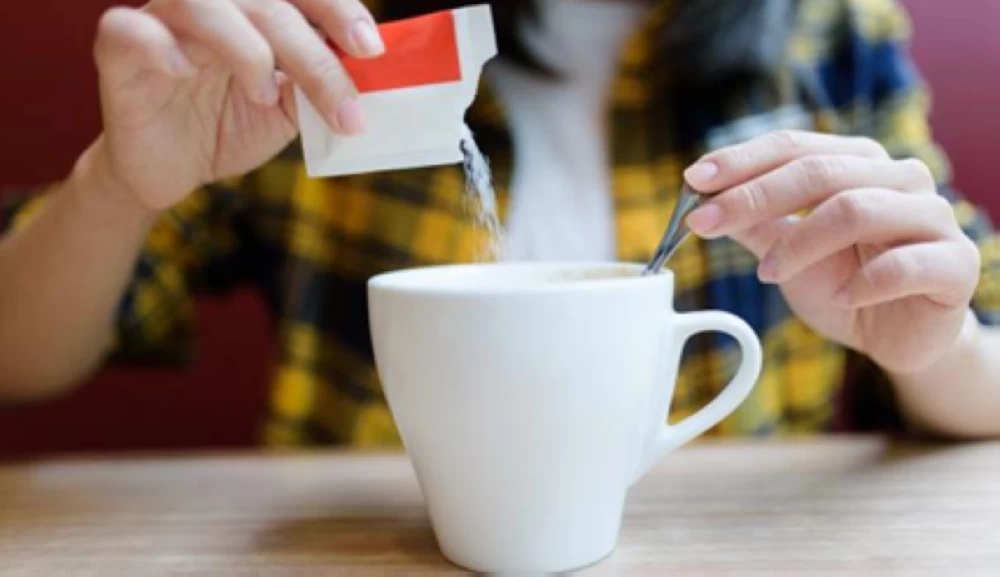
كشفت دراسة علمية حديثة تتعلق بأحد أشهر بدائل السكر، إذ بيّنت أن السوربيتول المستخدم على نطاق واسع في المنتجات «قليلة السعرات» و«الخالية من السكر» قد لا يكون آمناً كما يُروَّج له.
كيف يُنتَج «سكر الدايت» داخل الجسم؟
وأظهرت النتائج أن هذا المُحلّى يمكن أن يتحول داخل الجسم إلى مركبات تتصرف بطريقة قريبة من الفركتوز، ما قد يفرض عبئاً إضافياً على الكبد ويُحدث اضطرابات في عمليات الأيض، حتى لدى الأشخاص الأصحاء.
الدراسة المنشورة في Science Signaling جاءت ضمن أبحاث يقودها العالم Gary Patti في Washington University in St. Louis، وركّزت على تتبّع المسارات الأيضية للسكريات البديلة وتأثيرها المباشر على الكبد، في نتائج قد تعيد النظر في مفهوم «البديل الآمن للسكر»، وفق ما أورده موقع ScienceDaily.
وتوصل الباحثون إلى أن السوربيتول يمكن أن يُنتَج داخل الأمعاء من الغلوكوز بعد تناول الطعام، حتى لدى الأشخاص الأصحاء، وليس فقط في حالات مرضية مثل السكري. وفي حال عدم توفر بكتيريا معوية قادرة على تفكيكه، ينتقل السوربيتول إلى الكبد، حيث يتحول إلى مشتق من الفركتوز ويُطلق استجابات أيضية مشابهة لتلك المرتبطة بالفركتوز المعروف بتأثيره السلبي على صحة الكبد.
كما أوضحت الدراسة أن بعض أنواع بكتيريا الأمعاء تستطيع تكسير السوربيتول وتحويله إلى نواتج غير ضارة، إلا أن هذه الآلية الدفاعية قد تفشل عند غياب تلك البكتيريا أو عند استهلاك كميات كبيرة من السوربيتول أو الغلوكوز، ما يسمح بتراكمه ووصوله إلى الكبد.
وأشارت النتائج إلى أن الاعتماد على المُحلّيات البديلة، خصوصاً لدى مرضى السكري أو من يسعون لتقليل استهلاك السكر، قد لا يكون خالياً من المخاطر. فالسوربيتول، رغم تسويقه كمكوّن «خفيف»، يمكن أن يساهم في تطور الكبد الدهني ومشكلات أيضية عند الإفراط في تناوله.
هل «البديل الآمن للسكر» دقيق علمياً؟
وأكدت الدراسة أن فكرة «البديل الآمن للسكر» ليست دائماً دقيقة، وأن بعض الكحولات السكرية قد تسلك مسارات غير متوقعة داخل الجسم. وبحسب الباحثين، لا تزال هناك حاجة إلى مزيد من الأبحاث، لكن الرسالة الأساسية واضحة: تقليل السكر لا يعني بالضرورة تجنّب آثاره على الكبد.
A recent scientific study related to one of the most famous sugar substitutes revealed that sorbitol, widely used in "low-calorie" and "sugar-free" products, may not be as safe as it is promoted to be.
How is "diet sugar" produced in the body?
The results showed that this sweetener can be converted in the body into compounds that behave similarly to fructose, which may impose an additional burden on the liver and cause disturbances in metabolic processes, even in healthy individuals.
The study published in Science Signaling was part of research led by scientist Gary Patti at Washington University in St. Louis, focusing on tracking the metabolic pathways of alternative sugars and their direct effects on the liver, in results that may reconsider the concept of "safe sugar alternatives," according to what was reported by ScienceDaily.
The researchers found that sorbitol can be produced in the intestines from glucose after eating, even in healthy individuals, and not just in pathological cases like diabetes. If there are no gut bacteria capable of breaking it down, sorbitol travels to the liver, where it is converted into a fructose derivative and triggers metabolic responses similar to those associated with fructose, known for its negative impact on liver health.
The study also indicated that some types of gut bacteria can break down sorbitol and convert it into harmless products; however, this defensive mechanism may fail in the absence of those bacteria or when consuming large amounts of sorbitol or glucose, allowing it to accumulate and reach the liver.
The results suggested that relying on alternative sweeteners, especially among diabetics or those seeking to reduce sugar consumption, may not be without risks. Sorbitol, despite being marketed as a "light" ingredient, can contribute to the development of fatty liver and metabolic issues when consumed excessively.
Is the "safe sugar alternative" scientifically accurate?
The study confirmed that the idea of a "safe sugar alternative" is not always accurate, and that some sugar alcohols may take unexpected pathways within the body. According to the researchers, there is still a need for further research, but the key message is clear: reducing sugar does not necessarily mean avoiding its effects on the liver.