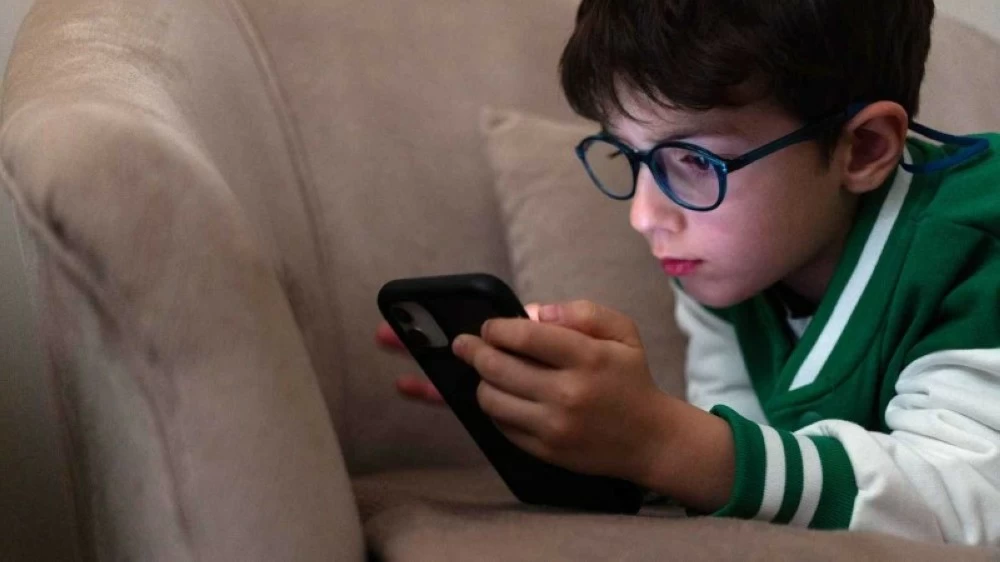
في عصر تسيطر فيه الشاشات على كل لحظة، أصبح الأطفال أسرى لمقاطع الفيديو القصيرة التي تأسر انتباههم بسرعة غير مسبوقة، ما كان في السابق وسيلة للمرح واللعب أصبح اليوم مصدر ضغط نفسي يؤثر على النوم، والتركيز، وحتى تقدير الذات لدى الصغار.
يمرر الأطفال مقاطع تتراوح مدتها بين 15 و90 ثانية دون توقف، في سلوك يُحفَّز دماغهم باستمرار، ويولد شعورًا فوريًا بالمكافأة يجعلهم غير قادرين على الابتعاد عن الشاشة. لكن هذا التدفق السريع لا يترك لهم فرصة للتفكير الهادئ أو الراحة العقلية، ويؤثر على قدرتهم على ضبط الانفعالات والانتباه المستمر.
ويحذر الخبراء من أن هذه العادة الرقمية قد تسبب اضطرابات النوم، إذ إن الضوء الأزرق الصادر من الأجهزة والتقلبات السريعة للمحتوى تبقي الدماغ في حالة يقظة دائمة، مما يزيد من التوتر والقلق، ويؤثر على المزاج والتحصيل الدراسي.
وليس النوم وحده من يتأثر، فالمقارنة المستمرة مع أقرانهم عبر المحتوى المثالي تُضعف ثقة الأطفال بأنفسهم وتزيد شعورهم بالنقص، خصوصًا لدى الصغار الذين لم تتطور لديهم القدرة على ضبط النفس بعد.
ويمكن القول إن مقاطع الفيديو القصيرة لم تعد مجرد وسيلة ترفيه، بل أصبحت «مصيدة رقمية» للأطفال، تتطلب وعيًا من الأهالي وتحكّمًا صارمًا من المنصات لضمان حماية الجيل القادم من الأضرار النفسية والجسدية.
In an era where screens dominate every moment, children have become prisoners of short videos that capture their attention at an unprecedented speed. What was once a means of fun and play has now become a source of psychological pressure affecting sleep, concentration, and even self-esteem among the young.
Children scroll through clips ranging from 15 to 90 seconds without pause, in a behavior that continuously stimulates their brains and generates an immediate sense of reward, making them unable to step away from the screen. However, this rapid flow leaves them no opportunity for quiet reflection or mental rest, impacting their ability to regulate emotions and maintain sustained attention.
Experts warn that this digital habit may cause sleep disorders, as the blue light emitted from devices and the rapid fluctuations of content keep the brain in a constant state of alertness, increasing stress and anxiety, and affecting mood and academic performance.
Not only sleep is affected; the constant comparison with their peers through idealized content undermines children's self-confidence and heightens their feelings of inadequacy, especially among younger ones who have not yet developed self-regulation skills.
It can be said that short videos are no longer just a means of entertainment, but have become a "digital trap" for children, requiring awareness from parents and strict control from platforms to ensure the protection of the next generation from psychological and physical harm.