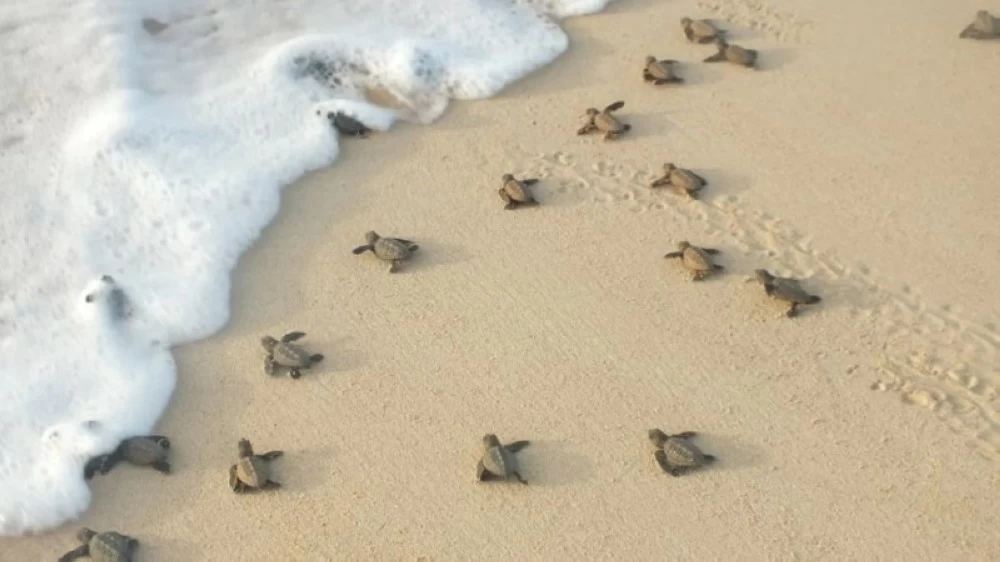
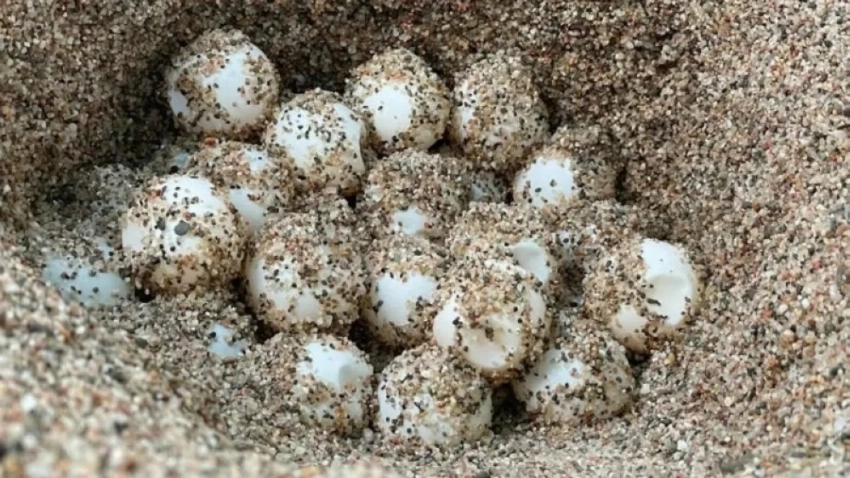
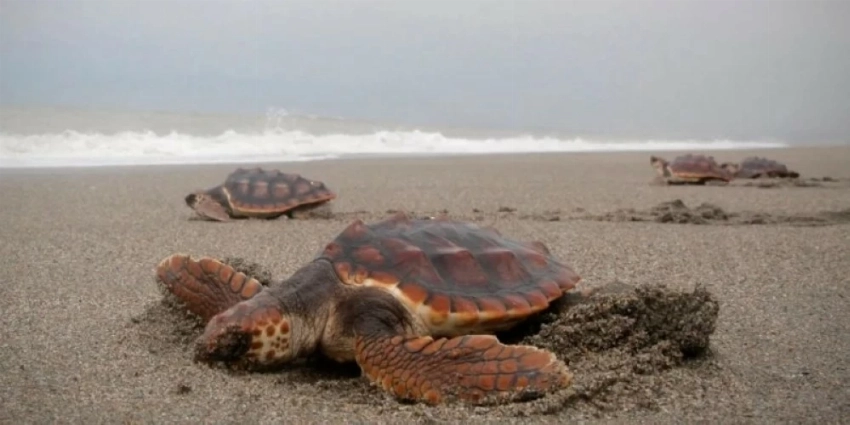
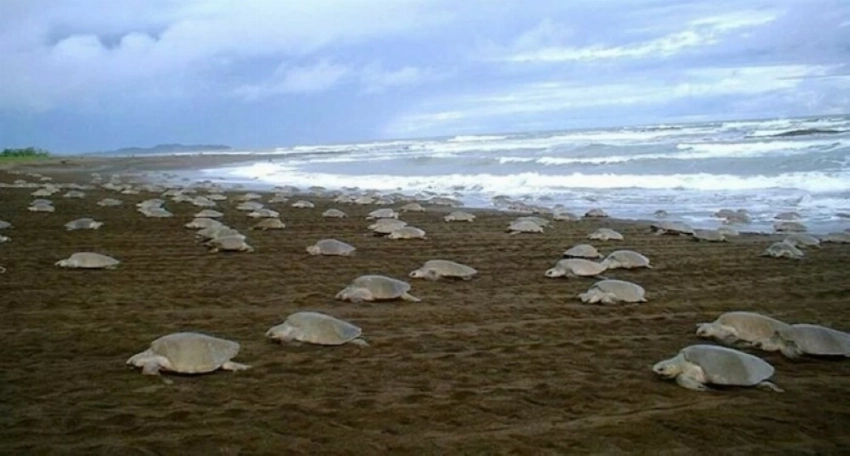
في ظاهرة تبدو مبهجة للوهلة الأولى، تشهد شواطئ إسبانيا، خصوصاً في إقليم فالنسيا، زيادة غير مسبوقة في أعشاش السلاحف البحرية من نوع «كاريتا كاريتا» وهي السلحفاة ضخمة الرأس أو السلحفاة البحرية البوبا، لكن الخبراء يدقون ناقوس الخطر، مؤكدين أن هذا «الغزو الهادئ» هو إنذار واضح من آثار التغير المناخي المتسارعة على البحر المتوسط.
وأشارت تقارير حديثة، مستندة إلى دراسات جامعة فالنسيا ومؤسسات بيئية أخرى، إلى أن ارتفاع درجات حرارة المياه والرمال يدفع السلاحف إلى الهجرة شمالاً، حيث أصبحت الشواطئ الإسبانية بيئة مناسبة لوضع البيض.
2
وخلال السنوات الأخيرة، سجل إقليم فالنسيا أرقاماً قياسية، بلغت 12 عشاً في 2025 وحدها، مع عشرات الأعشاش في السنوات السابقة، مقارنة بغياب شبه كامل لهذه الظاهرة قبل عقود.
وتلعب درجة حرارة الرمال دوراً حاسماً، فهي لا تحدد نجاح التفريخ فحسب، بل تتحكم في جنس الصغار، حيث تؤدي الحرارة العالية إلى ولادة إناث أكثر، مما يهدد التوازن البيولوجي في المناطق التقليدية شرق المتوسط.
3
أما الشواطئ الإسبانية الأكثر اعتدالاً، فتسمح بولادة ذكور أكثر، مما يمنح أملاً في الحفاظ على التنوع الجيني، لكنه في الوقت نفسه دليل دامغ على تغير المناخ، لكن اللافت أن هذه الأعشاش تعود غالباً لسلاحف تحمل خليطاً وراثياً من الأطلسي والمتوسط، في ما يصفها العلماء بـ«الاستعمار الجيني»، إيذاناً بتأسيس تجمعات جديدة في إسبانيا.
4
وتاريخياً، كانت مناطق التكاثر الرئيسية للسلحفاة البوبا في شرق المتوسط (اليونان، تركيا، قبرص) أو الأطلسي، لكن مع ارتفاع حرارة المتوسط بنسبة 20% أسرع من المتوسط العالمي، بدأت السلاحف في استعمار الغرب منذ مطلع الألفية، مع تسارع الظاهرة في السنوات الأخيرة.
ووفقاً للدراسات فإن هذه السلاحف، المصنفة «مهددة» عالمياً، حساسة جداً للتغيرات البيئية، وتُعتبر «حارسة» لصحة المحيطات.
رغم الإيجابيات لهذا الاستعمار (زيادة فرص البقاء) يبقى الخطر قائماً: التلوث البلاستيكي، المبيدات الزراعية (تم اكتشاف 39 نوعاً في أجسامها)، الإضاءة الليلية، السياحة المكثفة، والصيد العرضي تهدد دورة حياتها.
In a phenomenon that seems delightful at first glance, the beaches of Spain, particularly in the Valencia region, are witnessing an unprecedented increase in nests of the loggerhead turtle, known as "Caretta caretta," but experts are sounding the alarm, confirming that this "quiet invasion" is a clear warning of the accelerating effects of climate change on the Mediterranean Sea.
Recent reports, based on studies from the University of Valencia and other environmental institutions, indicate that rising water and sand temperatures are driving the turtles to migrate northward, where Spanish beaches have become a suitable environment for laying eggs.
2
In recent years, the Valencia region has recorded record numbers, reaching 12 nests in 2025 alone, with dozens of nests in previous years, compared to a near-total absence of this phenomenon decades ago.
Sand temperature plays a crucial role, as it not only determines the success of hatching but also controls the sex of the hatchlings, with higher temperatures leading to more females being born, threatening the biological balance in traditional areas of the eastern Mediterranean.
3
Meanwhile, the more temperate Spanish beaches allow for the birth of more males, providing hope for maintaining genetic diversity, but at the same time, it serves as compelling evidence of climate change. Notably, these nests often belong to turtles carrying a genetic mix from the Atlantic and the Mediterranean, which scientists describe as "genetic colonization," signaling the establishment of new populations in Spain.
4
Historically, the main breeding areas for the loggerhead turtle were in the eastern Mediterranean (Greece, Turkey, Cyprus) or the Atlantic, but with the Mediterranean warming at a rate 20% faster than the global average, turtles have begun to colonize the west since the turn of the millennium, with the phenomenon accelerating in recent years.
According to studies, these turtles, classified as "threatened" globally, are very sensitive to environmental changes and are considered "guardians" of ocean health.
Despite the positives of this colonization (increased survival opportunities), the danger remains: plastic pollution, agricultural pesticides (39 types have been found in their bodies), nighttime lighting, intensive tourism, and bycatch threaten their life cycle.