كشفت بعثة أثرية إيطالية تعمل بمنطقة أبو غراب في مدينة أبوصير بالجيزة، بقايا معبد الوادي للمجموعة الشمسية للملك «ني أوسر رع» من عصر الأسرة الخامسة، وذلك خلال أعمال الحفائر الجارية بالموقع.
وأكد الأمين العام للمجلس الأعلى للآثار الدكتور محمد إسماعيل أن هذا الكشف يُعد من أهم الاكتشافات في المنطقة منذ عقود، إذ نجحت البعثة لأول مرة في الكشف عن أكثر من نصف مساحة المعبد الضخم الذي يتجاوز 1000 متر مربع، مما يجعله واحداً من أكبر وأبرز معابد الوادي في جبانة منف.
وكان العالم الألماني لودفيغ بورخارت قد حدد موقع المعبد عام 1901، لكن ارتفاع منسوب المياه الجوفية آنذاك منع إجراء حفائر، واليوم، وبفضل تقنيات الحفائر الحديثة وإدارة المياه، تمكنت البعثة من الوصول إلى الأرضية الأصلية للمعبد.
قطع أثرية نادرة
كشفت الحفائر مدخل المعبد المغطى بطبقة كثيفة من طمي النيل بلغ ارتفاعها نحو 1.20 متر، إضافة إلى الأرضية الأصلية للمدخل، وقاعدة عمود من الحجر الجيري، وبقايا عمود دائري من الجرانيت يُرجّح أنه كان جزءاً من الرواق الرئيسي للمدخل.
كما تم الكشف عن أجزاء من الكسوة الحجرية الأصلية لجدران الممر بين بوابة المدخل والطريق الصاعد، وعدد من العناصر المعمارية التي وُجدت في مواقعها الأصلية بالمعبد، بما في ذلك أعتاب وأبواب من الجرانيت.
وكشفت البعثة منحدراً يُعتقد أنه كان يربط المعبد بالنيل أو أحد فروعه، وأن المؤشرات الأولية تؤكد امتداد المبنى شمالاً وفق الطراز المعماري لمجموعة معابد الأسرة الخامسة، ومنها معبد الوادي الخاص بهرم الملك «ساحورع» بأبوصير.
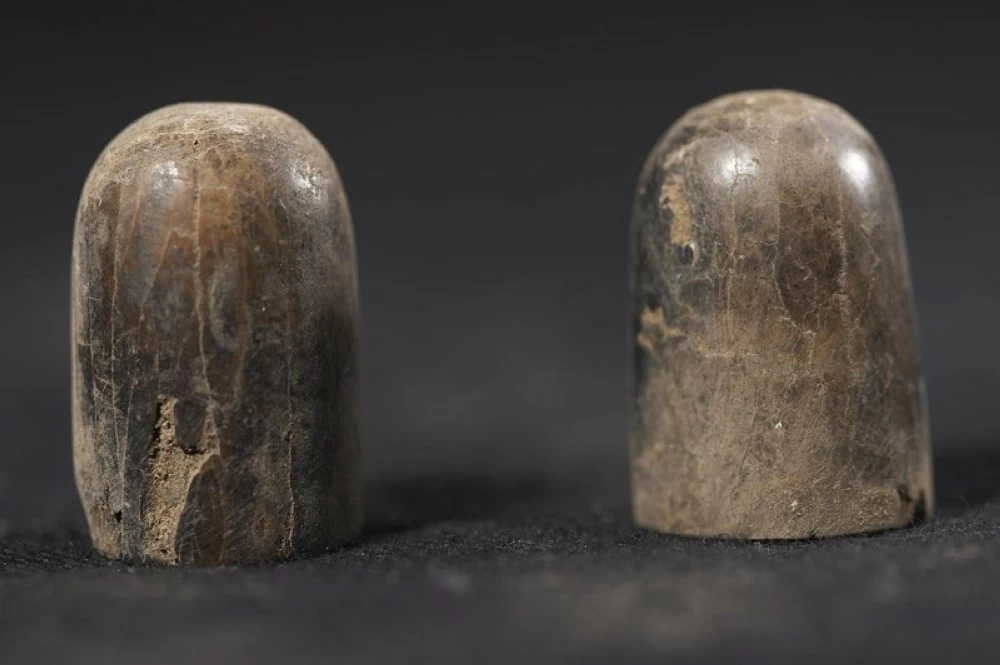
كما عثرت البعثة على مجموعة مميزة من اللقى الأثرية، من بينها قطعتان خشبيتان من لعبة «السنت» المصرية القديمة، التي تشبه لعبة الشطرنج الحديثة.
قرن من البحث والتنقيب
وخلال موسم الحفائر السابق اكتشفت البعثة بوابة كاملة من حجر الكوارتزيت بحالة جيدة من الحفظ، إلى جانب بقايا درج داخلي كان يؤدي إلى السطح، في الجزء الشمالي الغربي للمعبد، وهو ما يرجّح وجود مدخل ثانوي.
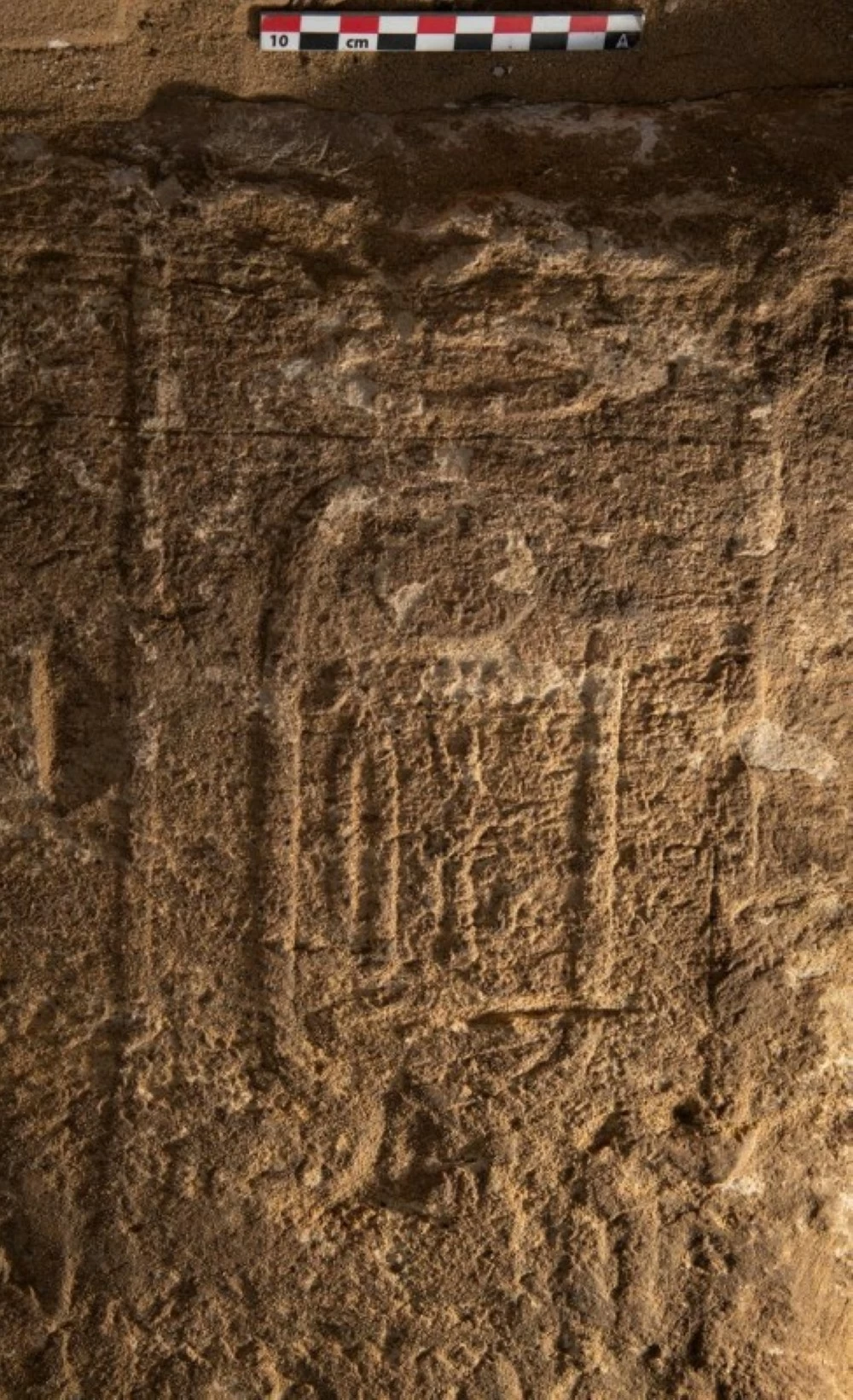
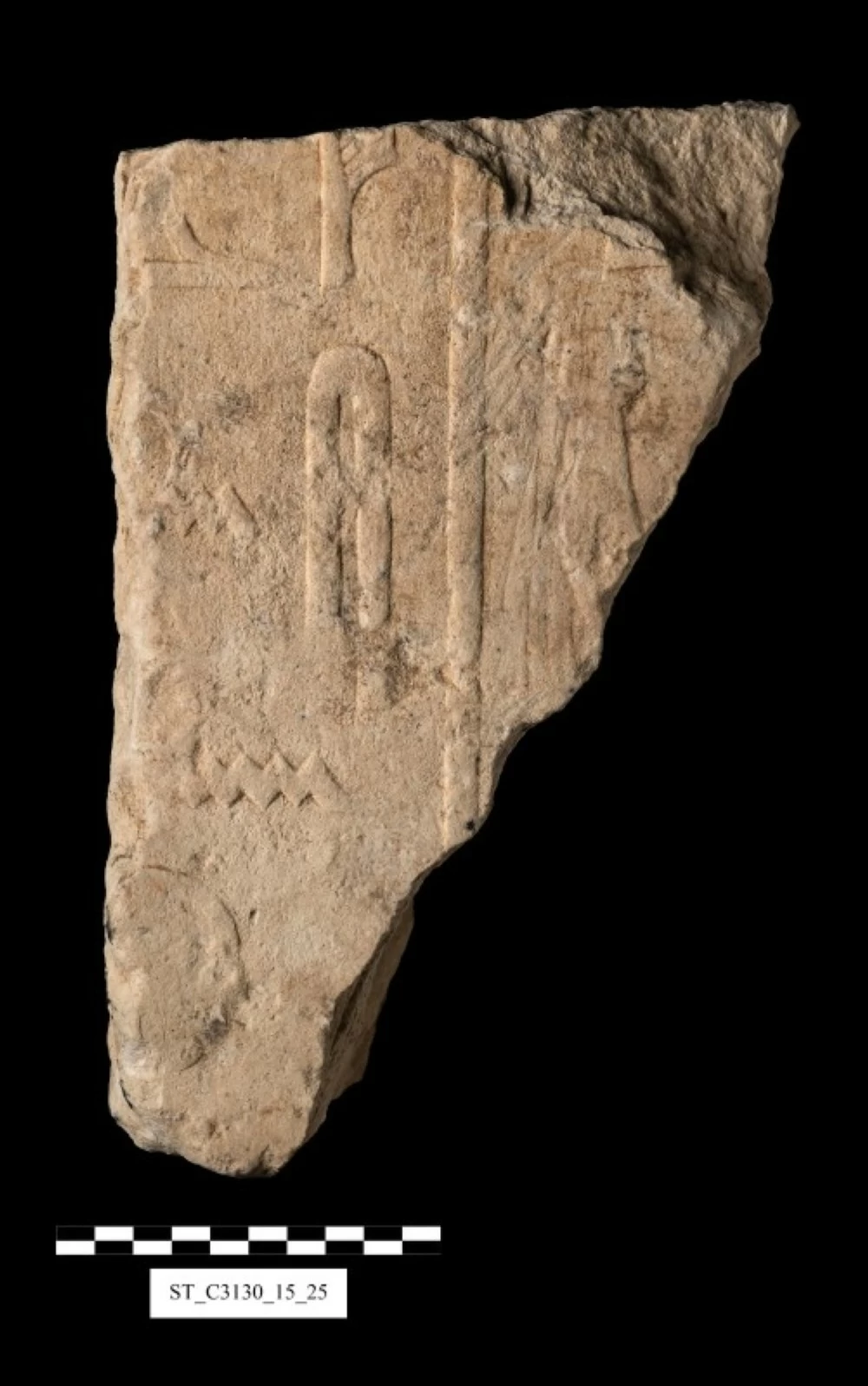
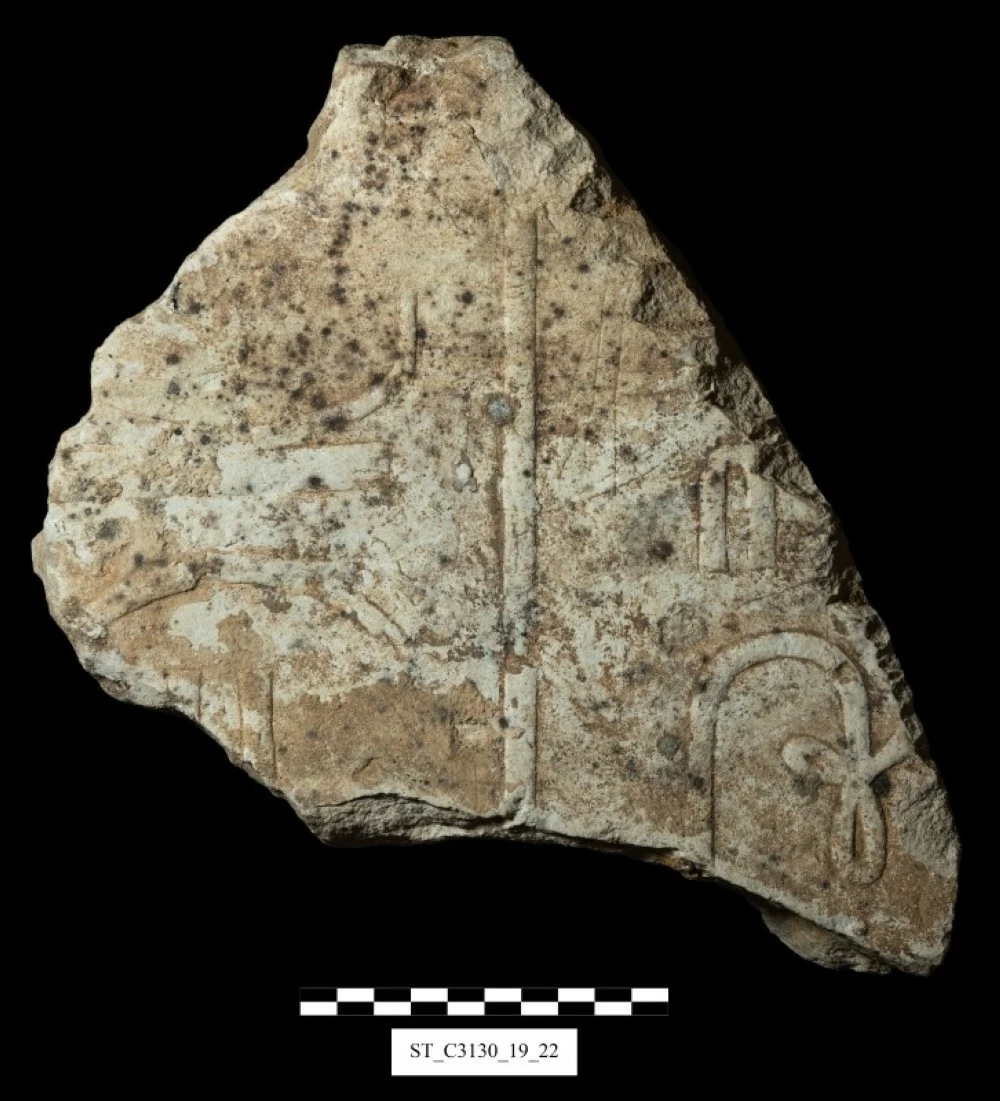
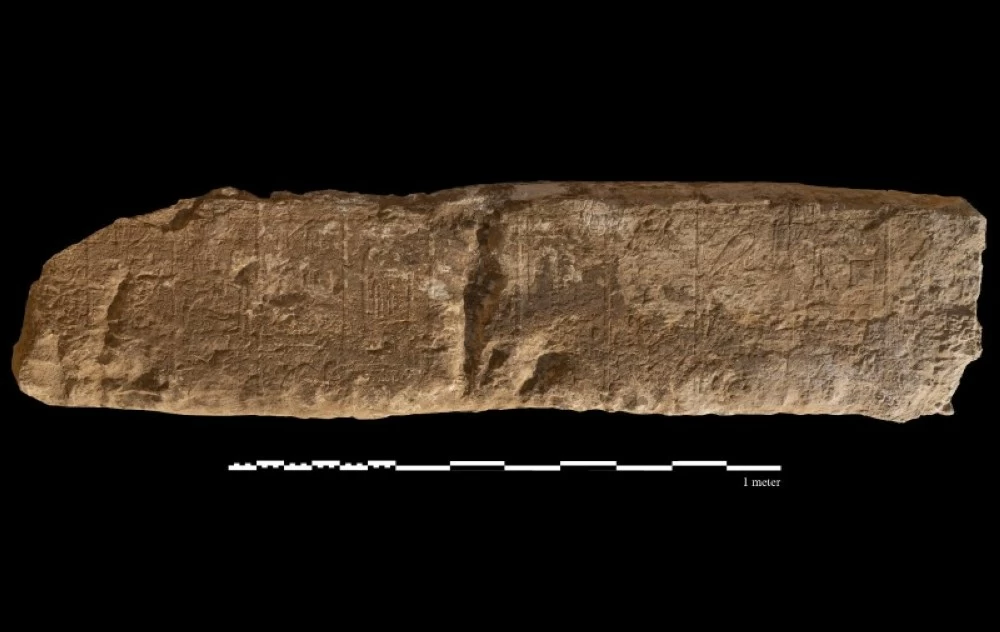
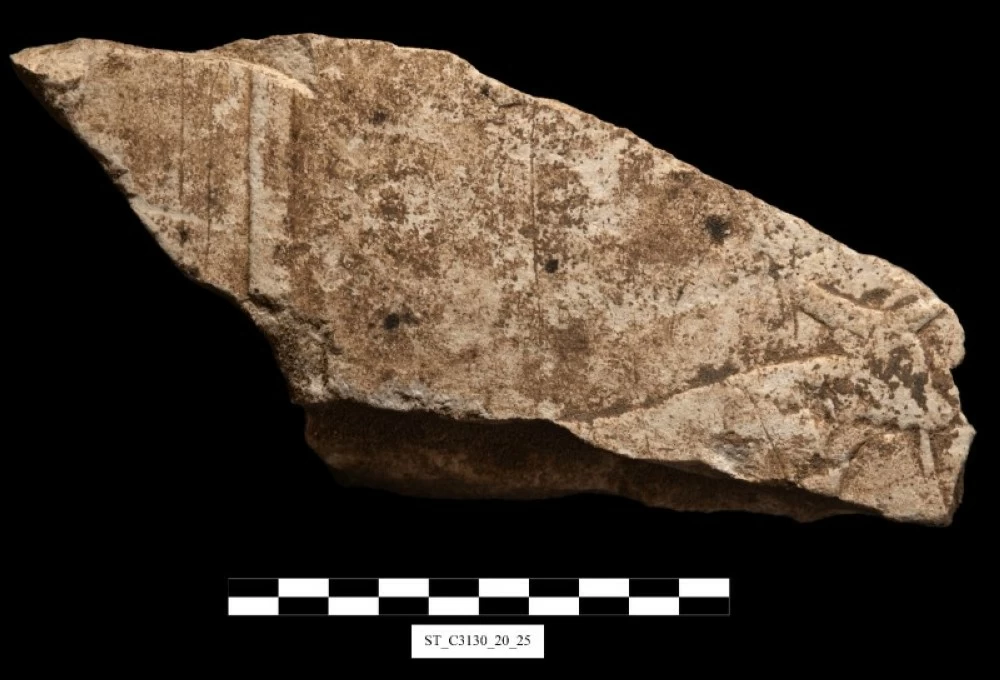
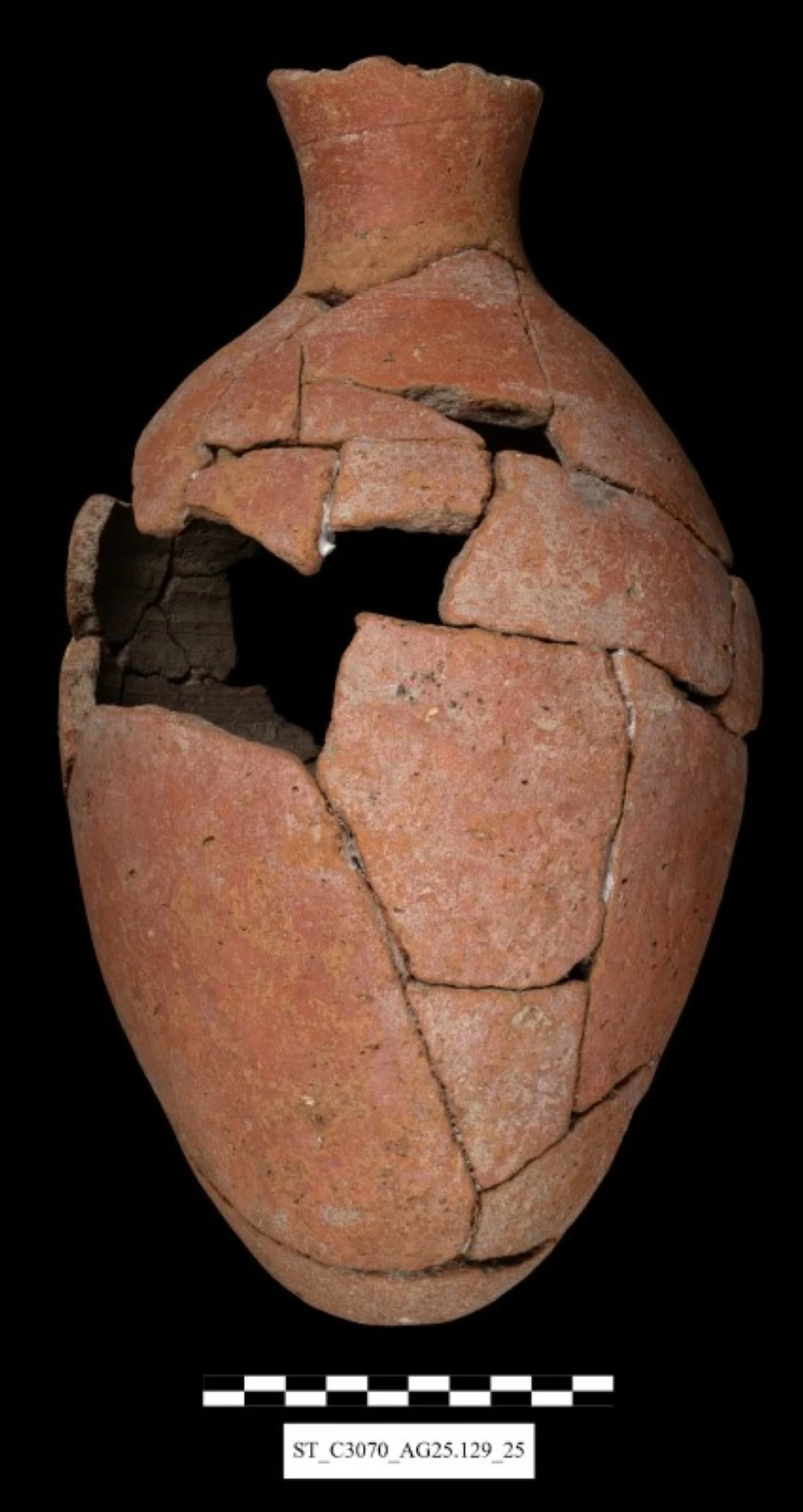
كما توصلت البعثة الأثرية إلى اكتشاف عتبة حجرية ضخمة منقوشة بنصوص هيروغليفية تتضمن تقويماً للاحتفالات الدينية الخاصة بالمعبد، إضافة إلى ذكر اسم الملك «ني أوسر رع»، كما عُثر على شظايا حجرية منقوشة من الحجر الجيري الأبيض الفاخر، إلى جانب كميات كبيرة من الفخار تعود لفترات زمنية تمتد من أواخر الدولة القديمة وحتى بدايات الدولة الوسطى، ويعود معظمها إلى عصر الانتقال الأول.
وتشير الدراسات الأولية أن المعبد، بعد انتهاء دوره كمكان للعبادة الملكية، تحول إلى منطقة سكنية صغيرة سكنها أهالي المنطقة خلال عصر الانتقال الأول، مما يوفر مصدراً جديداً لفهم الحياة اليومية لسكان منطقة منف خلال هذه الفترة قليلة التوثيق من تاريخ مصر القديم.
وتستعد البعثة لاستكمال أعمالها خلال المواسم القادمة لاستكشاف المزيد من عناصر هذا الموقع الأثري المهم وإزاحة الستار عن تفاصيل جديدة تضيف الكثير إلى فهم نشأة وتطور معابد الشمس في مصر القديمة.
An Italian archaeological mission working in the Abu Ghraib area of Abu Sir city in Giza has uncovered the remains of the Valley Temple of the solar complex of King "Ni User Ra" from the Fifth Dynasty, during the ongoing excavation work at the site.
The Secretary-General of the Supreme Council of Antiquities, Dr. Mohamed Ismail, confirmed that this discovery is one of the most important in the region in decades, as the mission has successfully uncovered more than half of the area of the massive temple, which exceeds 1,000 square meters, making it one of the largest and most prominent Valley temples in the necropolis of Memphis.
The German scholar Ludwig Borchardt identified the location of the temple in 1901, but the high groundwater level at that time prevented excavations. Today, thanks to modern excavation techniques and water management, the mission was able to reach the original floor of the temple.
Rare Artifacts
The excavations revealed the entrance to the temple covered by a thick layer of Nile silt, approximately 1.20 meters high, in addition to the original floor of the entrance, a base of a column made of limestone, and the remains of a circular granite column that is believed to have been part of the main portico of the entrance.
Parts of the original stone cladding of the walls of the corridor between the entrance gate and the ascending path were also uncovered, along with several architectural elements found in their original locations within the temple, including thresholds and doors made of granite.
The mission uncovered a slope believed to have connected the temple to the Nile or one of its branches, and initial indicators confirm the extension of the building to the north in accordance with the architectural style of the Fifth Dynasty temple complexes, including the Valley Temple of King "Sahure" in Abu Sir.
The mission also found a distinctive collection of archaeological finds, including two wooden pieces from the ancient Egyptian game "Senet," which resembles modern chess.
A Century of Research and Excavation
During the previous excavation season, the mission discovered a complete gate made of quartzite in good condition, along with the remains of an internal staircase leading to the roof, in the northwestern part of the temple, suggesting the existence of a secondary entrance.
The archaeological mission also discovered a massive stone threshold inscribed with hieroglyphic texts that include a calendar of religious celebrations specific to the temple, in addition to mentioning the name of King "Ni User Ra." Fragments of inscribed stone made of fine white limestone were also found, along with large quantities of pottery dating from the late Old Kingdom to the early Middle Kingdom, most of which belong to the First Intermediate Period.
Preliminary studies indicate that the temple, after its role as a site for royal worship ended, transformed into a small residential area inhabited by local people during the First Intermediate Period, providing a new source for understanding the daily life of the inhabitants of Memphis during this poorly documented period of ancient Egyptian history.
The mission is preparing to continue its work in the upcoming seasons to explore more elements of this important archaeological site and unveil new details that add significantly to the understanding of the origins and development of sun temples in ancient Egypt.