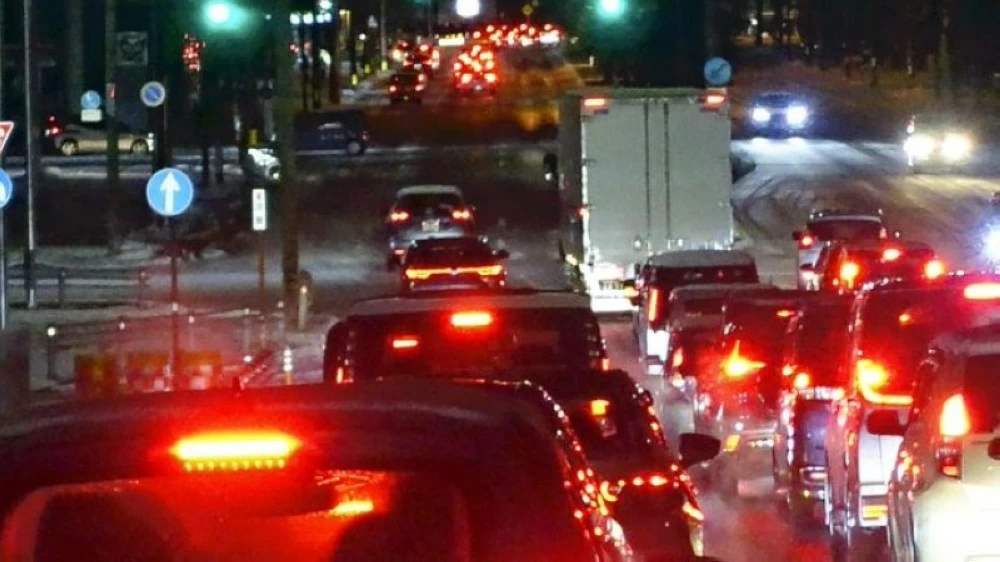
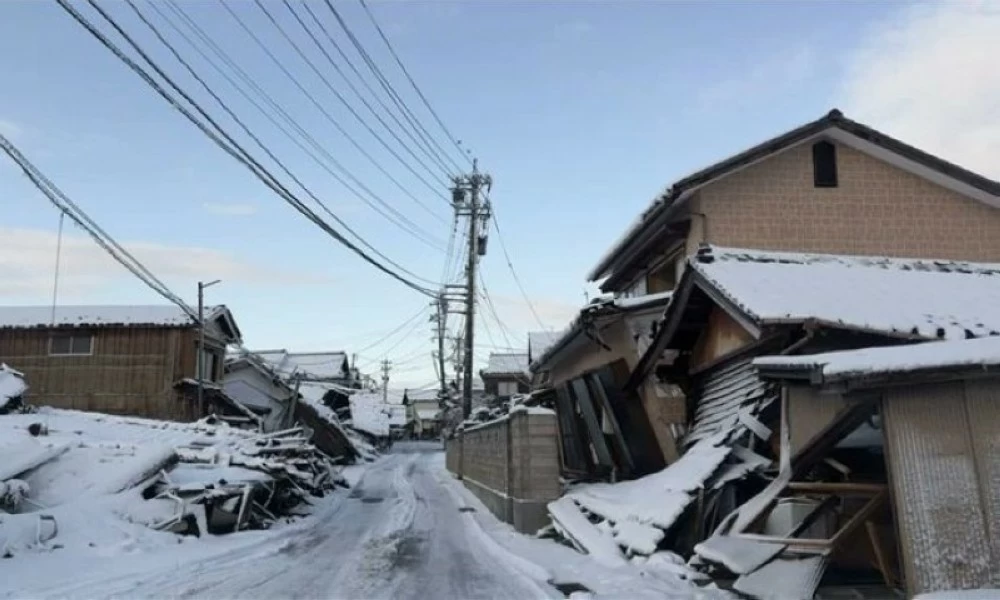
أصدرت السلطات اليابانية تحذيراً فورياً من تسونامي يصل ارتفاعه إلى 10 أقدام على السواحل الشمالية الشرقية، بعدما ضرب زلزال قوي بشدة 7.6 درجة على مقياس ريختر شمال شرق البلاد قبالة ساحل محافظة أوموري، في ليلة دراماتيكية هزت أركان اليابان.
وأمرت وكالة الأرصاد الجوية اليابانية السلطات المحلية بإجلاء نحو 90 ألف ساكن في محافظات هوكايدو، أوموري، وإيواتي، مع تسجيل أمواج تسونامي أولية بلغت 70 سنتيمتراً في بعض الموانئ.
ووفقاً لوسائل إعلام يابانية حتى الآن، لم يُسجل ضحايا، لكن الزلزال أدى إلى انقطاع الكهرباء عن آلاف المنازل، وتعليق خدمات السكك الحديدية، وإغلاق المدارس صباح الثلاثاء.
وتقع اليابان في «حلقة النار» المنطقة الزلزالية الأكثر نشاطاً في العالم، حيث يحدث فيها نحو 20% من الزلازل العالمية التي تفوق شدة 6 درجات، وتشهد البلاد هزة أرضية كل خمس دقائق في المتوسط، بفضل تصادم الصفائح التكتونية الأربع الرئيسية: اليابانية، الأمريكية الشمالية، المحيط الهادئ، والفلبين.
زلزال قوي يضرب البلاد
ويصنف الزلزال الحالي، الذي سُجل بعمق 50 كيلومتراً قبالة ساحل أوموري (84 كيلومتراً شرق مدينة ميساوا) كـ«قوي جداً» على مقياس الشدة الياباني، حيث بلغت شدته 6 درجات في بعض المناطق، مما يعني اهتزازاً عنيفاً يصعب الوقوف أثناءه.
وأمرت رئيسة الوزراء اليابانية ساناي تاكايتشي بتشكيل فريق طوارئ وطني، قائلة في تصريح عاجل: «نضع حياة الناس أولاً ونبذل كل جهد لتقييم الأضرار».
وعملت السلطات على إجلاء 90 ألف شخص إلى مرتفعات آمنة، وأغلقت الطرق الساحلية، بينما أوقفت شركة شرق اليابان للسكك الحديدية خدماتها، وانقطع التيار الكهربائي عن آلاف المنازل في توهوكو، وأكدت شركتا توهوكو إلكتريك وهوكايدو إلكتريك عدم وجود حوادث في المفاعلات النووية، رغم التوتر الإضافي.
كوارث متكررة شهدتها اليابان
يأتي هذا الزلزال بعد تاريخ طويل من الكوارث، حيث أحدث زلزال توهوكو في 11 مارس 2011، بشدة 9 درجات تسونامي هائلاً أودى بحياة نحو 20 ألف شخص، وأدى إلى كارثة فوكوشيما النووية، مع أضرار اقتصادية تجاوزت 235 مليار دولار، كما شهدت اليابان زلزالاً آخر في يوليو 2025 بشدة 8.7 درجة قبالة شبه جزيرة كامتشاتكا، أثار تحذيرات تسونامي على السواحل اليابانية.
ومنذ 2011، طورت اليابان نظاماً متقدماً للكشف المبكر عن الزلازل والتسونامي، يعتمد على أكثر من 1,000 محطة مراقبة، ما سمح بإصدار التحذير في دقائق.
The Japanese authorities have issued an immediate tsunami warning of up to 10 feet along the northeastern coasts, after a powerful earthquake measuring 7.6 on the Richter scale struck the northeast of the country off the coast of Aomori Prefecture, in a dramatic night that shook the foundations of Japan.
The Japan Meteorological Agency has ordered local authorities to evacuate about 90,000 residents in Hokkaido, Aomori, and Iwate Prefectures, with initial tsunami waves recorded at 70 centimeters in some ports.
According to Japanese media, so far, no casualties have been reported, but the earthquake caused power outages for thousands of homes, suspended railway services, and closed schools on Tuesday morning.
Japan is located in the "Ring of Fire," the most seismically active region in the world, where about 20% of global earthquakes exceeding 6 in magnitude occur, and the country experiences an earthquake every five minutes on average, due to the collision of four major tectonic plates: the Japanese, North American, Pacific, and Philippine plates.
A strong earthquake strikes the country
The current earthquake, recorded at a depth of 50 kilometers off the coast of Aomori (84 kilometers east of Misawa City), is classified as "very strong" on the Japanese intensity scale, with a magnitude of 6 in some areas, indicating violent shaking that makes it difficult to stand.
Japanese Prime Minister Sanae Takichi has ordered the formation of a national emergency team, stating in an urgent statement: "We put people's lives first and make every effort to assess the damage."
Authorities have worked to evacuate 90,000 people to safe high grounds, closed coastal roads, while East Japan Railway Company suspended its services, and power was cut to thousands of homes in Tohoku. Tohoku Electric and Hokkaido Electric confirmed that there were no incidents at the nuclear reactors, despite the additional tension.
Recurring disasters witnessed by Japan
This earthquake comes after a long history of disasters, as the Tohoku earthquake on March 11, 2011, measuring 9.0, caused a massive tsunami that claimed the lives of about 20,000 people and led to the Fukushima nuclear disaster, with economic damages exceeding $235 billion. Japan also experienced another earthquake in July 2025 measuring 8.7 off the Kamchatka Peninsula, which triggered tsunami warnings on Japanese coasts.
Since 2011, Japan has developed an advanced early detection system for earthquakes and tsunamis, relying on over 1,000 monitoring stations, allowing for warnings to be issued within minutes.