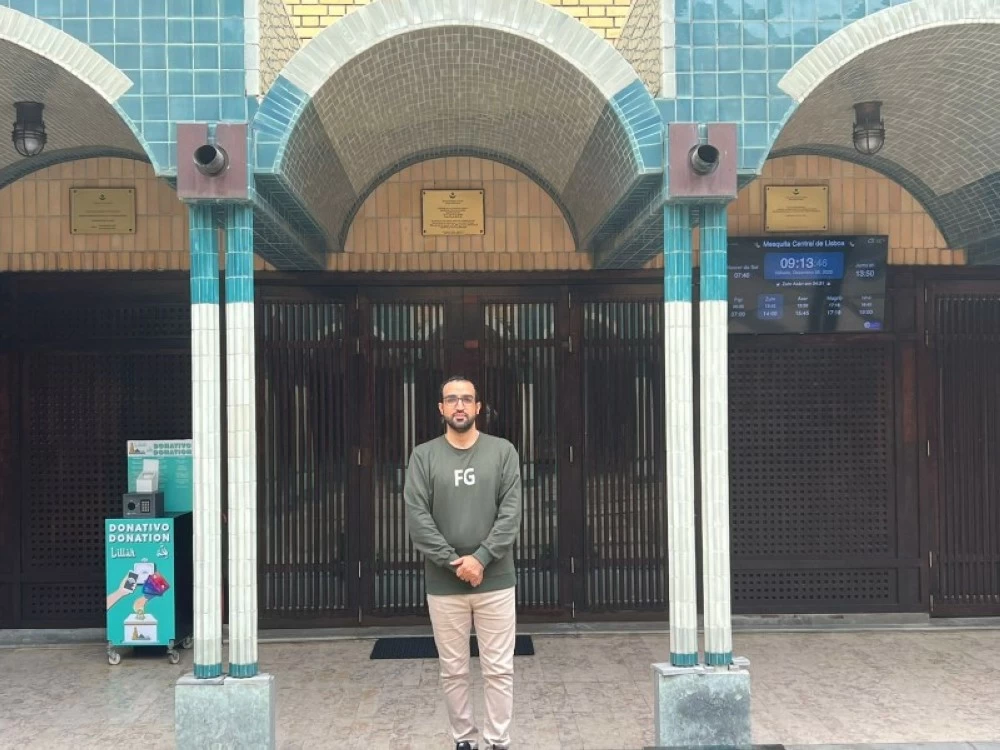
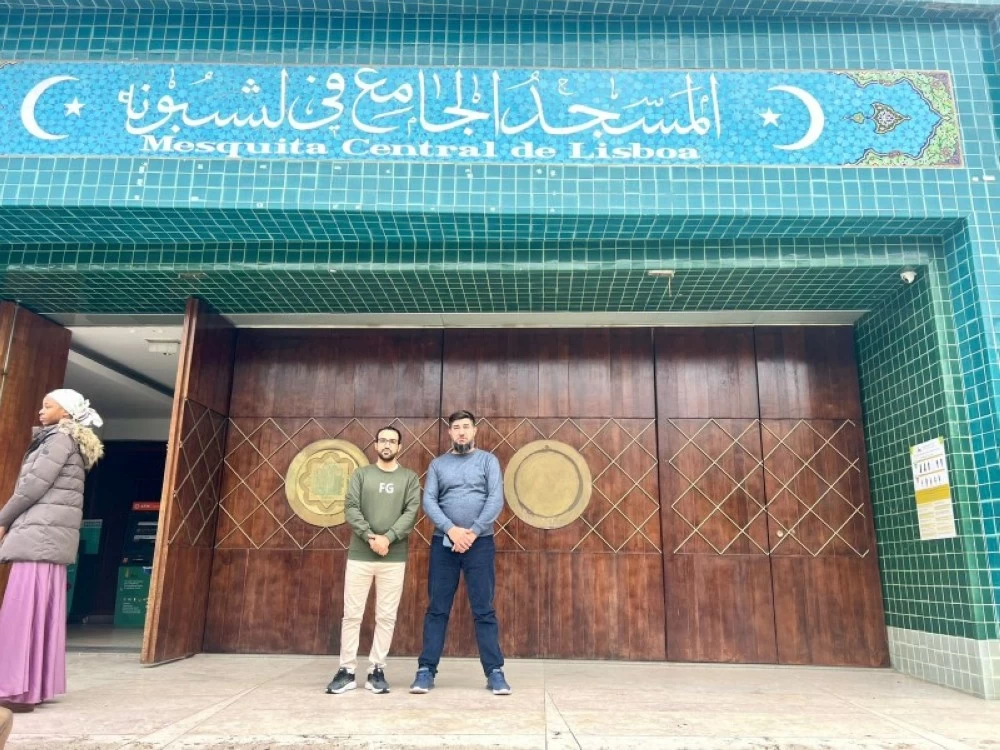
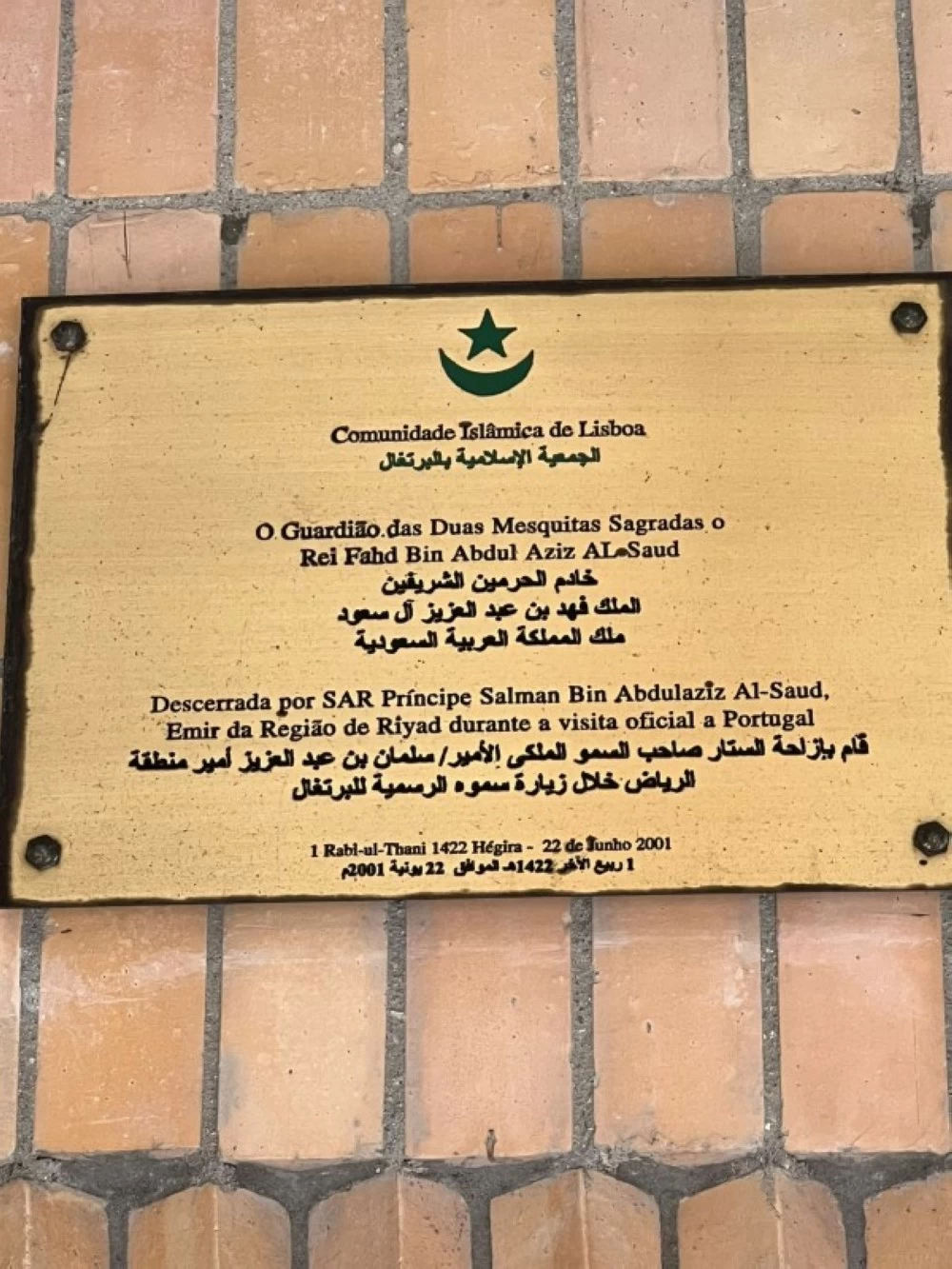
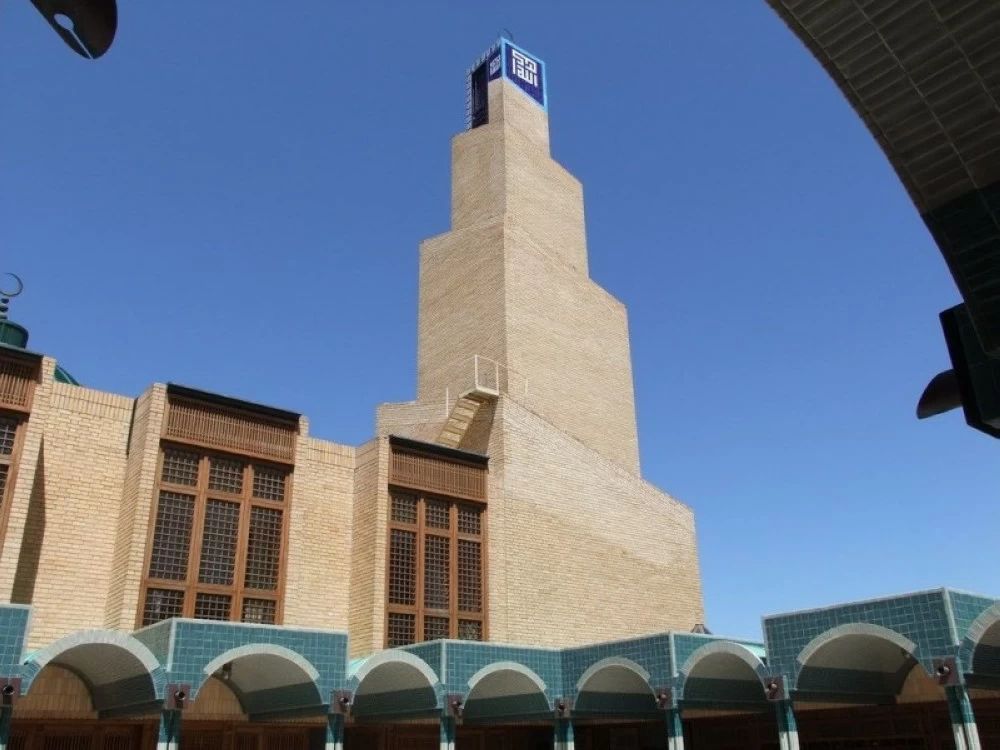
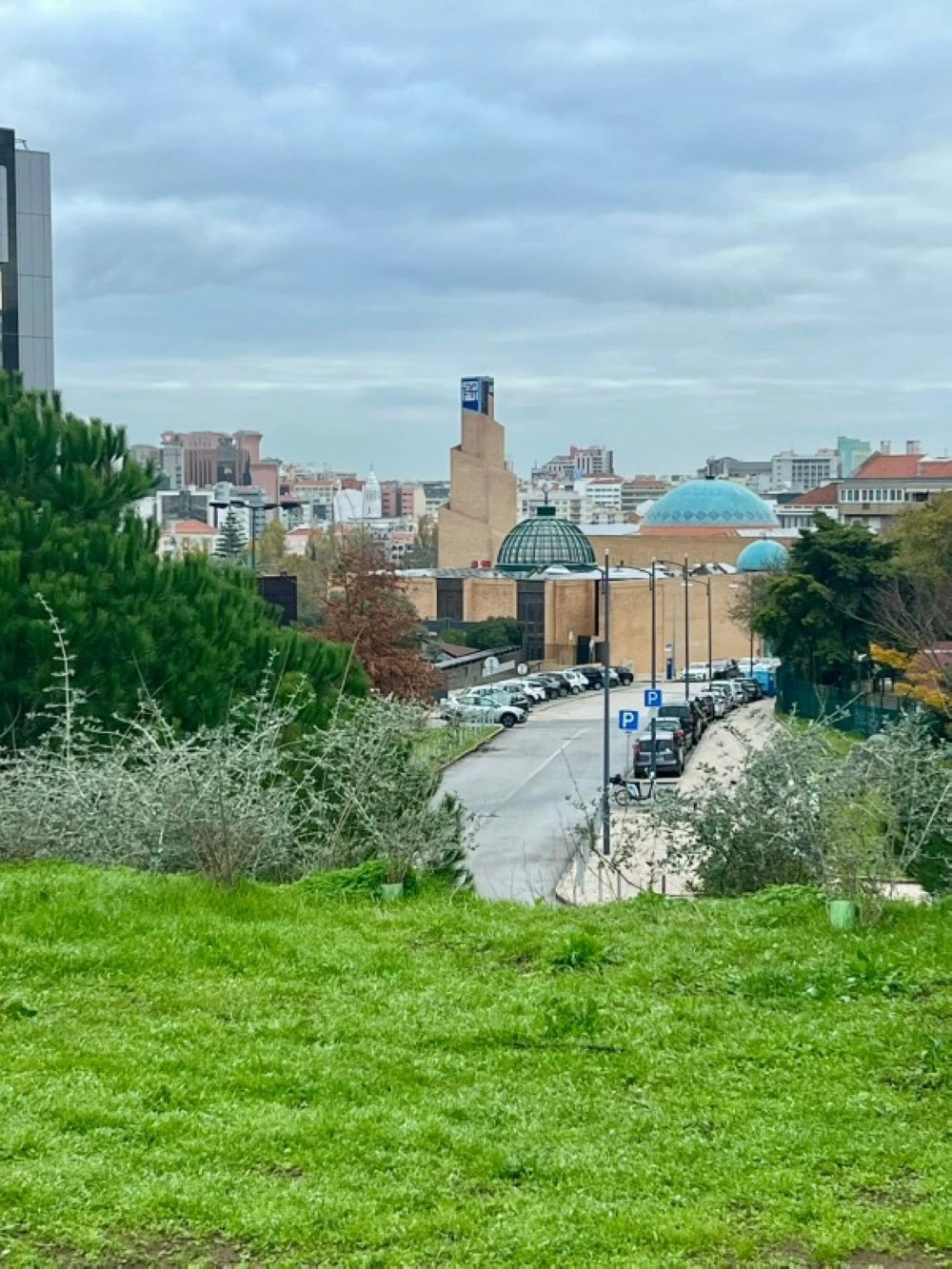
على تلةٍ هادئة قرب ساحة إسبانيا في العاصمة البرتغالية لشبونة، يطلّ المركز الإسلامي ومسجد لشبونة المركزي بقِبابه الثلاث، ومئذنته الشامخة، كأبرز معلمٍ إسلامي في البلاد، ونافذة روحية وثقافية لعشرات الآلاف من المسلمين، المقيمين والزائرين للعاصمة الأوروبية.
هذا الصرح الذي افتُتح عام 1985 بعد سنواتٍ من العمل والتخطيط، تحوّل اليوم إلى مسجد يجمع بين عبق المكانة الدينية، ودور المركز الثقافي المفتوح، للحوار والتعارف بين المسلمين والمجتمع البرتغالي.
معلم ديني بارز
يُعدّ مسجد لشبونة المركزي أكبر مسجد في البرتغال، بطاقة استيعابية تصل إلى نحو ألف مصلٍّ، ويستقبل المسلمين من مختلف الجنسيات، عرباً وبرتغاليين وأفارقة وآسيويين، إلى جانب السياح الذين يترددون عليه، بدافع الفضول المعرفي والرغبة في التعرف إلى الإسلام وثقافته.
ويضم المبنى، إلى جانب قاعة الصلاة الرئيسية، قاعات استقبال، ومكتبة، وقاعة محاضرات، ومرافق تعليمية، تُستخدم لإقامة الدروس الدينية، وورش العمل والأنشطة الموجهة للأطفال والشباب، ما يجعل منه مركزاً حيوياً للحياة اليومية للمجتمع الإسلامي في لشبونة.
عمارة تمزج الهوية الإسلامية والروح البرتغالية
من الواجهة الأولى يلفت المبنى أنظار الزائرين بتصميمه، الذي يجمع بين عناصر العمارة الإسلامية التقليدية، ولمسات الطراز البرتغالي الحديث، فقبّاب المسجد ومنارته المستوحاة من روح المشرق، تتكامل معها خطوط البناء الحجرية، وأقواسه الواسعة المستوحاة من العمارة المحلية.
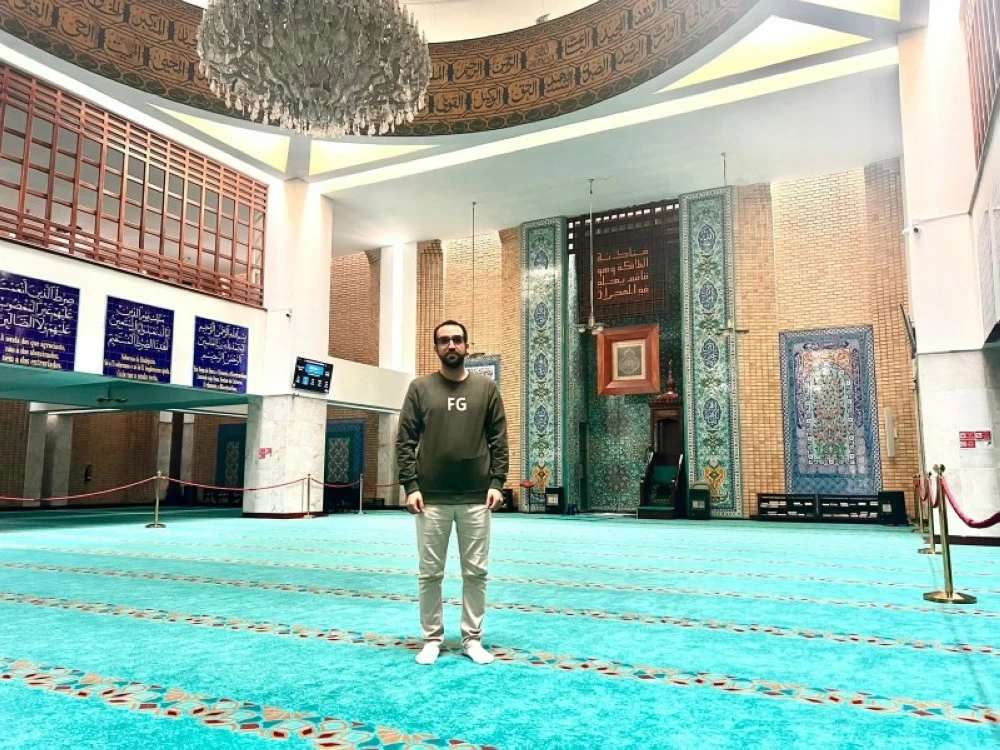
وفي الداخل تتوزع الزخارف الهندسية والكتابات القرآنية على جدران قاعة الصلاة، مع إضاءة طبيعية هادئة، تتسلل من النوافذ العالية، لتمنح المكان سكينةً وروحانيةً يشعر بها الزائر منذ لحظة دخوله، سواء جاء للصلاة أو للتعرّف إلى المكان عن قرب.
نقطة التقاء للجاليات العربية والإسلامية
خلال جولة «عكاظ» في أروقة المركز، بدت الأحاديث بلهجات عربية مختلفة، من الخليج والمغرب العربي ومصر والشام، إلى جانب لغات أخرى من آسيا وأفريقيا، في مشهد يلخّص تنوّع الجاليات المسلمة في البرتغال.
ويحرص كثير من المقيمين العرب والمسلمين، على جعل المسجد نقطة لقاء أسبوعية، خصوصاً في صلاة الجمعة، حيث تمتلئ الساحات بالمصلين، وتتحول بعدها إلى مساحة تواصل اجتماعي وتعارف، يتبادل فيها المصلون الأخبار والأحوال وفرص العمل والدراسة، ما يجعل من المركز رافعةً للترابط الاجتماعي إلى جانب دوره الديني.
كما يستقبل المركز أعداداً متزايدة من الزوار البرتغاليين والأجانب، الراغبين في التعرف إلى تعاليم الإسلام وثقافة الجاليات المسلمة، في إطار حواري منفتح يحرص على تقديم صورة متوازنة عن الإسلام.
برامج دينية وثقافية على مدار العام
لا يقتصر النشاط في المركز الإسلامي على الصلوات الخمس والجمعة، إذ يشهد على مدار العام برامج متنوعة تشمل حلقات لتحفيظ القرآن الكريم، ودروساً في الفقه والسيرة النبوية بعدة لغات، ومحاضرات تعريفية، إضافة إلى أنشطة خاصة في شهر رمضان والعيدين، من موائد إفطار جماعية، واستقبال للجاليات والضيوف غير المسلمين.
كما يقوم المسجد بدور ملحوظ تجاه فئة الأطفال، بتدريس مبادئ اللغة العربية وأساسيات التربية الإسلامية، في محاولةٍ للحفاظ على هوية الأجيال الجديدة من أبناء الجاليات، وربطهم بجذورهم الثقافية والدينية، مع تشجيعهم في الوقت ذاته على الاندماج الإيجابي في المجتمع البرتغالي.
حوار أديان وحضور في الفضاء العام
على صعيد العلاقة مع المجتمع البرتغالي، أصبح المركز الإسلامي في لشبونة شريكاً في العديد من الفعاليات الحوارية والثقافية، التي تنظمها المؤسسات الرسمية والبلدية والجامعات، في إطار تعزيز التفاهم بين الأديان والثقافات، وإبراز مساهمة المسلمين في الحياة العامة بالبلاد.
كما تزور المسجد وفود رسمية وطلابية ووسائل إعلام، وتُقدم شروح عن تاريخ الجالية الإسلامية في البرتغال، وواقعها اليوم، ونماذج التعايش التي تجمع المسلمين بالمجتمع المضيف، بما يعزّز صورة الإسلام المعتدل، القائم على التسامح واحترام القانون.
عنوان للهوية والانتماء
بالنسبة لكثير من المسلمين الذين التقتهم «عكاظ» داخل أروقة المركز، يمثّل هذا المكان «بيتاً ثانياً» يخفف إحساس الغربة، ويجمع بين روح العبادة ودفء اللقاءات الاجتماعية، فمن خلاله يحيون الأعياد، ويبرمون عقود الزواج، ويستقبلون الوفود الرسمية والشعبية من العالم الإسلامي، ويقدّمون صورة حيّة عن الحضور الإسلامي في البرتغال.
ويشكّل المركز أيضاً نقطة استقطابٍ للسياح المسلمين القادمين إلى لشبونة، إذ يجدون فيه مكاناً مهيأً للصلاة والاستراحة وتناول الطعام الحلال، في المطعم الملحق بالمسجد، إضافة إلى الحصول على الإرشادات اللازمة حول أماكن حلال أخرى، وخدماتٍ يحتاجها الزائر خلال إقامته القصيرة في المدينة.
نموذج للتعايش في أوروبا
في وقتٍ تشهد بعض المجتمعات الأوروبية نقاشات حادة حول قضايا الاندماج والهجرة، يقدّم المركز الإسلامي في لشبونة نموذجاً مختلفاً، يجمع بين الحفاظ على الهوية الدينية والثقافية للمسلمين، والمشاركة الإيجابية في المجتمع البرتغالي، وهو ما ينعكس في انفتاح أبوابه أمام الجميع، مسلمين وغير مسلمين.
وبين قبةٍ تعلو الأفق ومئذنةٍ ترفع الأذان، بخفوتٍ يراعي قوانين المدينة، ومساحاتٍ خضراء تحيط بالمبنى، يظلّ المركز الإسلامي في لشبونة، شاهداً على حضور الإسلام في البرتغال، وجسراً إنسانياً يربط ضفاف العالم الإسلامي بساحل الأطلسي الأوروبي، ويروي كل يوم حكاية تعايشٍ جديد، بين ثقافاتٍ ولغاتٍ ووجوهٍ متعددة، يجمعها الإيمان بقيم الاحترام المشترك والعيش المشترك.
On a quiet hill near the Plaza de España in the Portuguese capital Lisbon, the Islamic Center and the Central Mosque of Lisbon stand out with their three domes and towering minaret, as the most prominent Islamic landmark in the country, and a spiritual and cultural window for tens of thousands of Muslims, both residents and visitors to the European capital.
This edifice, which was inaugurated in 1985 after years of work and planning, has today transformed into a mosque that combines the essence of religious significance with the role of an open cultural center for dialogue and acquaintance between Muslims and the Portuguese community.
A Prominent Religious Landmark
The Central Mosque of Lisbon is the largest mosque in Portugal, with a capacity of about a thousand worshippers. It welcomes Muslims from various nationalities, including Arabs, Portuguese, Africans, and Asians, alongside tourists who visit out of curiosity and a desire to learn about Islam and its culture.
The building includes, in addition to the main prayer hall, reception rooms, a library, a lecture hall, and educational facilities used for religious lessons, workshops, and activities aimed at children and youth, making it a vibrant center for the daily life of the Islamic community in Lisbon.
Architecture that Blends Islamic Identity with Portuguese Spirit
From the front facade, the building captures the attention of visitors with its design, which combines elements of traditional Islamic architecture with touches of modern Portuguese style. The mosque's domes and minaret, inspired by the spirit of the East, complement the stone construction lines and wide arches inspired by local architecture.
Inside, geometric decorations and Quranic inscriptions adorn the walls of the prayer hall, with a calm natural light filtering through the high windows, granting the place a tranquility and spirituality that visitors feel from the moment they enter, whether they come to pray or to get to know the place up close.
A Meeting Point for Arab and Islamic Communities
During a tour by "Okaz" in the corridors of the center, conversations in various Arabic dialects from the Gulf, the Maghreb, Egypt, and the Levant could be heard, alongside other languages from Asia and Africa, in a scene that summarizes the diversity of Muslim communities in Portugal.
Many Arab and Muslim residents are keen to make the mosque a weekly meeting point, especially during Friday prayers, when the courtyards fill with worshippers, transforming afterward into a social space for communication and acquaintance, where worshippers exchange news, updates, job opportunities, and study options, making the center a facilitator of social connectivity alongside its religious role.
The center also receives an increasing number of Portuguese and foreign visitors who wish to learn about the teachings of Islam and the culture of Muslim communities, within an open dialogue framework that seeks to present a balanced image of Islam.
Religious and Cultural Programs Throughout the Year
The activities at the Islamic center are not limited to the five daily prayers and Friday prayers; throughout the year, it hosts various programs including Quran memorization sessions, lessons in jurisprudence and the prophetic biography in several languages, introductory lectures, in addition to special activities during the month of Ramadan and the two Eids, such as communal iftar tables and welcoming non-Muslim guests and communities.
The mosque also plays a notable role for children by teaching the principles of the Arabic language and the basics of Islamic education, in an effort to preserve the identity of the new generations from the communities and connect them to their cultural and religious roots, while simultaneously encouraging them to positively integrate into Portuguese society.
Interfaith Dialogue and Presence in the Public Sphere
In terms of its relationship with the Portuguese community, the Islamic center in Lisbon has become a partner in many dialogue and cultural events organized by official institutions, municipalities, and universities, aimed at enhancing understanding between religions and cultures, and highlighting the contributions of Muslims to public life in the country.
Official delegations, student groups, and media also visit the mosque, providing explanations about the history of the Islamic community in Portugal, its current reality, and models of coexistence that bring Muslims together with the host community, thereby enhancing the image of moderate Islam, based on tolerance and respect for the law.
A Symbol of Identity and Belonging
For many Muslims whom "Okaz" met inside the corridors of the center, this place represents a "second home" that alleviates the feeling of alienation, combining the spirit of worship with the warmth of social gatherings. Here, they celebrate holidays, conduct marriage contracts, receive official and popular delegations from the Islamic world, and present a vivid picture of the Islamic presence in Portugal.
The center also serves as a focal point for Muslim tourists coming to Lisbon, as they find a prepared place for prayer, rest, and halal dining in the restaurant attached to the mosque, in addition to receiving necessary guidance about other halal places and services needed during their short stay in the city.
A Model of Coexistence in Europe
At a time when some European communities are experiencing heated debates about integration and immigration issues, the Islamic center in Lisbon presents a different model that combines the preservation of the religious and cultural identity of Muslims with positive participation in Portuguese society, which is reflected in its open doors to everyone, Muslims and non-Muslims alike.
With a dome that rises to the horizon and a minaret that calls to prayer softly, respecting the city's laws, and green spaces surrounding the building, the Islamic center in Lisbon remains a testament to the presence of Islam in Portugal, a human bridge connecting the shores of the Islamic world with the European Atlantic coast, telling a new story of coexistence every day, among diverse cultures, languages, and faces, united by the belief in shared values of mutual respect and coexistence.