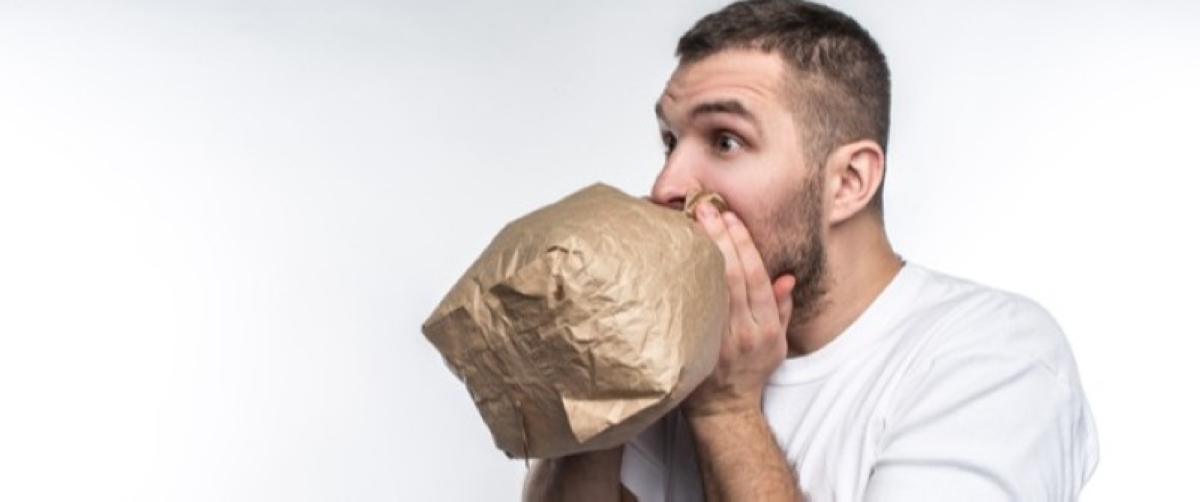
يُعد القلق رد فعل عاطفي طبيعي تجاه التوتر، لكنه يتحول إلى مشكلة خطيرة عندما يصل إلى مستويات ساحقة، مسبباً أعراضاً جسدية مخيفة مثل فرط التنفس، وشعور المصاب بسرعة في التنفس أو صعوبة فيه، ضيق في الصدر، دوخة، وغالباً ما يقتنع بأنه يواجه حالة طبية طارئة تهدد حياته، لكن ما هي العلاقة الدقيقة بين القلق وفرط التنفس؟.
في هذا الإطار قال المدير الطبي والمسؤول الصحي الأول لمنطقة شبه القارة الهندية في منظمة «إنترناشيونال إس أو إس» الدكتور فيكرام فورا، إن فرط التنفس، أو الإفراط في التنفس، يحدث عندما يتنفس الشخص بسرعة زائدة أو عميقة بشكل غير ضروري، مما يقلل من مستويات ثاني أكسيد الكربون في الدم.
ويوضح الدكتور فورا لموقع «only myhealth»: «انخفاض ثاني أكسيد الكربون يغير درجة الحموضة في الجسم، مسبباً أعراضاً مثل الدوخة، الوخز في الأصابع، ضيق التنفس، أو حتى الإغماء، إنه رد فعل الجسم تجاه ما يراه تهديداً أو توتراً هائلاً»، مُضيفًأ: يبدأ الجسم في التنفس السريع بسبب القلق أو الذعر، رغم عدم حاجته الفسيولوجية لمزيد من الأكسجين، وهذا الخلل يولد شعوراً بالاختناق، مما يعزز الذعر في حلقة مفرغة وكلما زاد القلق، زاد فرط التنفس، وتفاقمت الأعراض.
الرابط بين القلق وفرط التنفس
ويؤكد الطبيب الهندي أن «القلق أحد أكثر الأسباب شيوعاً لفرط التنفس، يفعّل رد الفعل «القتال أو الهروب» في الجسم، مما يسرّع التنفس لتوصيل المزيد من الأكسجين إلى العضلات والأعضاء»، لكن إذا كان التهديد نفسياً لا جسدياً، يصبح هذا التنفس السريع غير مفيد، بل يزيد من تفاقم أعراض القلق.
فيما يلعب الجهاز العصبي دوراً مركزياً وخلال نوبات القلق، ينشط الجهاز العصبي الودي بشكل مفرط، مما يرفع معدل التنفس، ضربات القلب، واليقظة، ويضيف الدكتور فورا: «كان هذا الرد فعّالاً لحمايتنا في العصور القديمة، لكنه اليوم يُثار بسبب ضغوط يومية عادية مثل الضغط المهني أو القلق الاجتماعي، لا مخاطر حقيقية».
أعراض فرط التنفس الناتج عن القلق
يمكن أن تكون هذه الأعراض مرعبة للغاية، وتشمل عادة:
- ضيق تنفس أو عدم القدرة على الشهيق العميق.
- ألم أو ضيق في الصدر.
- دوخة أو إغماء محتمل.
- تنميل أو وخز في اليدين والقدمين.
- خفقان سريع في القلب.
- شعور بانفصال عن الواقع (حالة تُسمى التبدد).
وفي هذا الإطار يُحذر الدكتور فورا من أن هذه الأعراض قد تحاكي حالات طبية خطيرة مثل النوبة القلبية أو الربو، مما يزيد القلق ويفاقم الحلقة السلبية.
كيفية السيطرة على فرط التنفس
يطمئن الدكتور فورا بأن فرط التنفس الناتج عن القلق غير خطير عادة، ويمكن التحكم فيه بطرق فعالة، كما نصح بتطوير مهارات التنفس المتحكم فيه واليقظة لاستعادة التوازن، ومن أبرزها:
- تمارين التنفس البطيء: استنشق ببطء من الأنف لمدة 4 ثوانٍ، احبس النفس لثانيتين، ثم زفر ببطء من الفم لمدة 6 ثوانٍ.
- تقنيات التأريض: ركز على محيطك – ما تراه، تسمع، تشعر به – لتحويل التركيز بعيداً عن الأفكار المقلقة.
- تمارين الاسترخاء: اليوغا، التأمل، أو استرخاء العضلات التدريجي لتهدئة الجهاز العصبي.
- مساعدة متخصصة: إذا تكررت النوبات أو كانت شديدة، استشر طبيباً نفسياً أو معالجاً للعلاج السلوكي المعرفي.
متى تطلب المساعدة الطبية؟
رغم أن فرط التنفس الناتج عن القلق غالباً غير ضار، إلا أن النوبات المتكررة أو غير المبررة تستحق فحصاً طبياً، لذا ينصح الطبيب الهندي بالتوجه فوراً إلى المستشفى لاستبعاد أمراض أخرى إذا صاحبت ألماً صدرياً شديداً، فقدان الوعي، أو ضيق تنفس مزمن.
Anxiety is a natural emotional reaction to stress, but it becomes a serious problem when it reaches overwhelming levels, causing frightening physical symptoms such as hyperventilation, a feeling of rapid or difficulty in breathing, chest tightness, dizziness, and often leads the sufferer to believe they are facing a life-threatening medical emergency. But what is the precise relationship between anxiety and hyperventilation?
In this context, Dr. Vikram Vora, the medical director and chief health officer for the Indian subcontinent at International SOS, stated that hyperventilation occurs when a person breathes excessively fast or deeply unnecessarily, which reduces carbon dioxide levels in the blood.
Dr. Vora explains to "only myhealth": "The decrease in carbon dioxide alters the body's pH level, causing symptoms such as dizziness, tingling in the fingers, shortness of breath, or even fainting. It is the body's reaction to what it perceives as a threat or tremendous stress," adding: The body begins to breathe rapidly due to anxiety or panic, despite having no physiological need for more oxygen. This imbalance creates a feeling of suffocation, which enhances panic in a vicious cycle; the more anxiety, the more hyperventilation, and the worse the symptoms become.
The Link Between Anxiety and Hyperventilation
The Indian doctor confirms that "anxiety is one of the most common causes of hyperventilation, activating the 'fight or flight' response in the body, which accelerates breathing to deliver more oxygen to the muscles and organs." However, if the threat is psychological rather than physical, this rapid breathing becomes counterproductive and exacerbates anxiety symptoms.
While the nervous system plays a central role, during anxiety attacks, the sympathetic nervous system is excessively activated, raising the breathing rate, heart rate, and alertness. Dr. Vora adds: "This response was effective for our protection in ancient times, but today it is triggered by ordinary daily stresses such as work pressure or social anxiety, with no real dangers."
Symptoms of Hyperventilation Due to Anxiety
These symptoms can be extremely frightening and typically include:
- Shortness of breath or inability to take a deep breath.
- Pain or tightness in the chest.
- Dizziness or potential fainting.
- Numbness or tingling in the hands and feet.
- Rapid heartbeat.
- A feeling of detachment from reality (a condition called depersonalization).
In this context, Dr. Vora warns that these symptoms can mimic serious medical conditions such as a heart attack or asthma, increasing anxiety and exacerbating the negative cycle.
How to Control Hyperventilation
Dr. Vora reassures that hyperventilation due to anxiety is usually not dangerous and can be managed effectively. He advises developing controlled breathing and mindfulness skills to regain balance, including:
- Slow breathing exercises: Inhale slowly through the nose for 4 seconds, hold the breath for 2 seconds, then exhale slowly through the mouth for 6 seconds.
- Grounding techniques: Focus on your surroundings – what you see, hear, and feel – to shift attention away from worrying thoughts.
- Relaxation exercises: Yoga, meditation, or progressive muscle relaxation to calm the nervous system.
- Specialized help: If attacks recur or are severe, consult a psychiatrist or cognitive behavioral therapist.
When to Seek Medical Help?
Although hyperventilation due to anxiety is often harmless, recurring or unexplained attacks warrant medical examination. Therefore, the Indian doctor advises going immediately to the hospital to rule out other illnesses if accompanied by severe chest pain, loss of consciousness, or chronic shortness of breath.