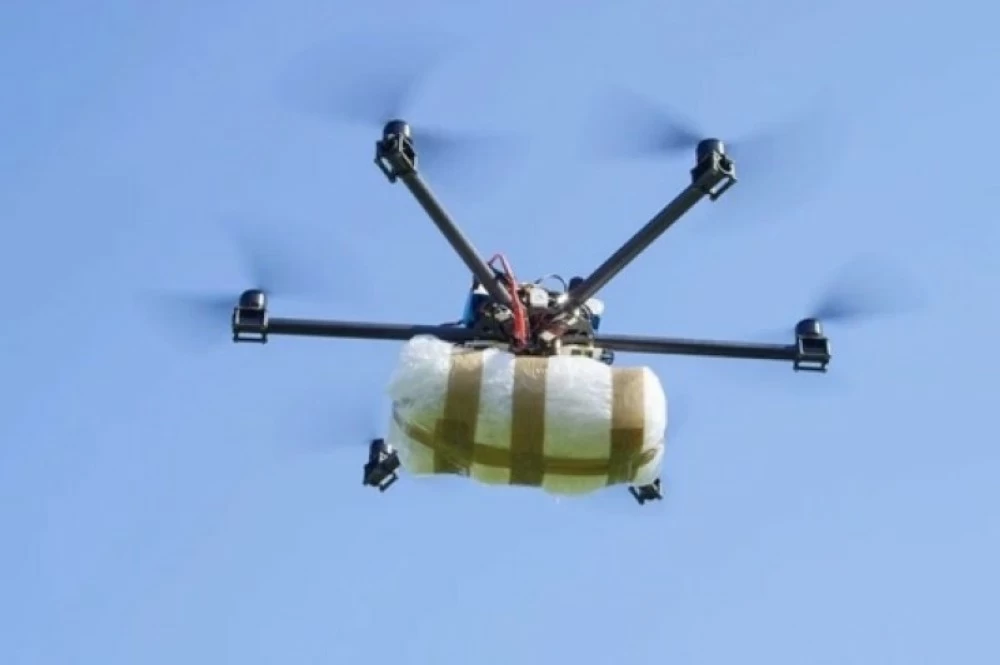
تحوُّل طرق تهريب المخدرات في شمال أفريقيا من الزوارق السريعة إلى طائرات مسيّرة ذكية، يمثل ثورة في عالم الجريمة المنظمة ويكشف فجوات أمنية كبيرة بحسب تقرير حديث صادر عن منصة «ميليتاري أفريكا» المتخصصة في الشؤون الأمنية والعسكرية.
لفترة طويلة، اعتمد المهربون على الزوارق الصغيرة لتجاوز الحدود البحرية، لكن اليوم، تظهر طائرات مسيّرة شبه غاطسة وطائرات عملاقة ذات أجنحة ثابتة وإقلاع عمودي تنقل مئات الكيلوغرامات من المخدرات عبر مضايق إستراتيجية دون أن تكشفها الرادارات.
في المغرب، عبّرت شبكات تهريب طائرات شبه غاطسة مضيق جبل طارق حاملة حتى 200 كيلوغرام من المخدرات، بينما حلّت الطائرات العمودية طويلة المدى محل الرحلات البحرية التقليدية، قادرة على التحليق لساعات فوق البحر وإسقاط شحناتها في إسبانيا بدقة مذهلة.
الحوادث الموثقة ليست نادرة:
- مارس 2025: سقطت طائرة مسيّرة محمّلة بـ50 كيلوغراماً من المخدرات قريباً من الحدود المصرية.
- نوفمبر 2024: شبكة مغربية-إسبانية تم تفكيكها بعد ضبط طائرات أوكرانية الصنع تنقل الحشيش إلى جنوب إسبانيا.
- يوليو 2022: ضبطت الشرطة الإسبانية عدة طائرات شبه غاطسة محمولة على اليابسة مجهزة بنظام GPS وتحمل 200 كيلوغرام من المخدرات.
لماذا الطائرات المسيّرة؟
- تكلفة الطائرة أقل من قيمة المخدرات التي تحملها، فتغطّي الرحلة الواحدة أرباحاً ضخمة.
- الطائرات شبه الغاطسة تخفي نفسها عن الرادار، وطائرات الإقلاع العمودي تحمل حمولة كبيرة لمسافات طويلة.
- غياب الطاقم يقلل من خطر القبض على المهربين، بينما يمكن تكرار الرحلات بسهولة.
وتظهر التحقيقات أن هذه الطائرات مصممة خصيصاً للمخدرات، من هياكل من ألياف الكربون لتخفيف الوزن، إلى أنظمة ملاحة هجينة مع بطاريات قوية لضمان الوصول بدقة.
واليوم، لم يعد تهريب المخدرات عبر الطائرات المسيّرة مجرد تجربة؛ إنه ظاهرة مستمرة تشكل تهديداً أمنياً حقيقياً. ومع استمرار شبكات الجريمة في تطوير أساليبها، تواجه السلطات تحدياً كبيراً في سد الثغرات التقنية والقانونية، وتعزيز التعاون الإقليمي قبل أن تصبح هذه الطائرات المسيّرة جزءاً من الحياة اليومية للمهربين.
The shift in drug smuggling methods in North Africa from speedboats to smart drones represents a revolution in the world of organized crime and reveals significant security gaps, according to a recent report from the platform "Military Africa," which specializes in security and military affairs.
For a long time, traffickers relied on small boats to cross maritime borders, but today, semi-submersible drones and giant fixed-wing vertical takeoff aircraft are transporting hundreds of kilograms of drugs across strategic straits without being detected by radar.
In Morocco, smuggling networks have used semi-submersible drones to cross the Strait of Gibraltar, carrying up to 200 kilograms of drugs, while long-range helicopters have replaced traditional maritime routes, capable of flying for hours over the sea and dropping their cargo in Spain with astonishing precision.
Documented incidents are not rare:
- March 2025: A drone loaded with 50 kilograms of drugs fell near the Egyptian border.
- November 2024: A Moroccan-Spanish network was dismantled after Ukrainian-made drones were seized transporting hashish to southern Spain.
- July 2022: Spanish police seized several land-based semi-submersible drones equipped with GPS systems carrying 200 kilograms of drugs.
Why drones?
- The cost of the drone is less than the value of the drugs it carries, making each flight highly profitable.
- Semi-submersible drones conceal themselves from radar, and vertical takeoff aircraft can carry large loads over long distances.
- The absence of a crew reduces the risk of traffickers being caught, while flights can be easily repeated.
Investigations show that these drones are specifically designed for drug trafficking, from carbon fiber structures to reduce weight, to hybrid navigation systems with powerful batteries to ensure precise delivery.
Today, drug smuggling via drones is no longer just an experiment; it is a continuing phenomenon that poses a real security threat. As criminal networks continue to develop their methods, authorities face a significant challenge in closing technical and legal gaps and enhancing regional cooperation before these drones become a part of the daily life of traffickers.