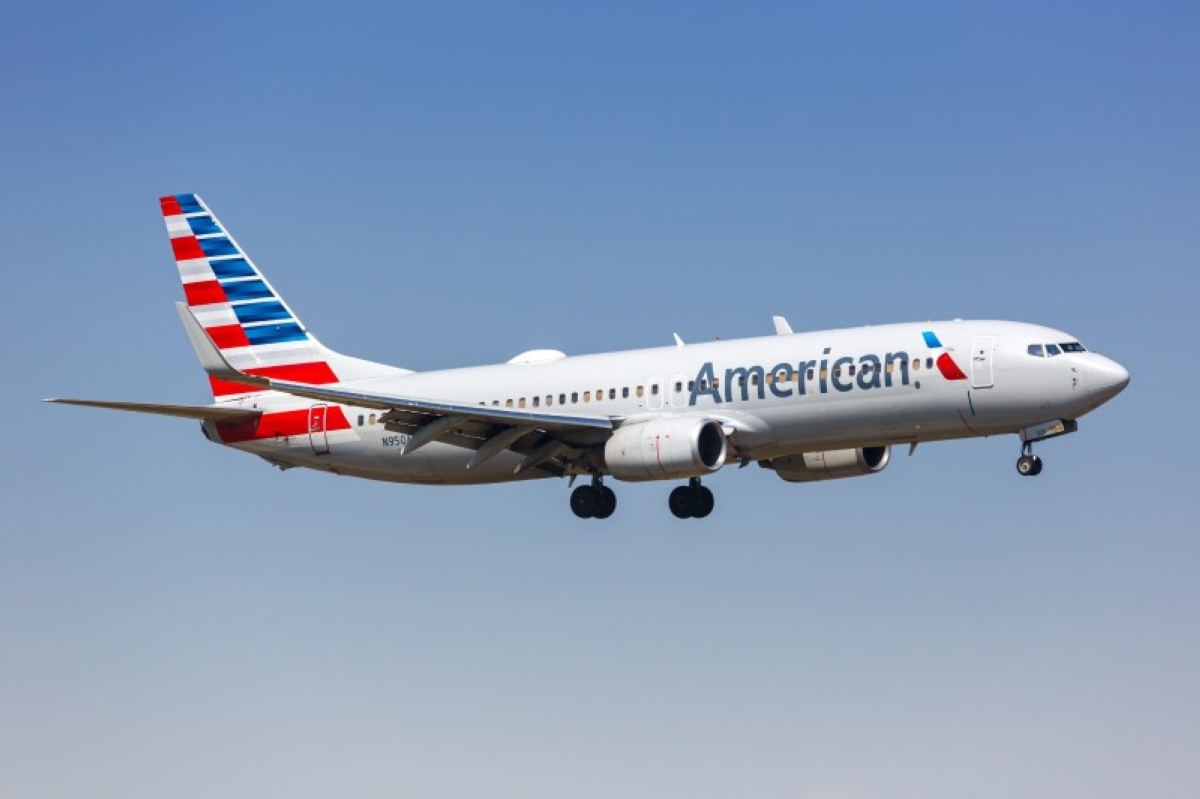
تعرضت طائرة تابعة للخطوط الجوية الأمريكية «أمريكان إيرلاينز»، تديرها شركة سكاي ويست، لخلل فني خطير في نظام التحكم أثناء رحلة داخلية من دالاس إلى شيكاغو، ما أدى إلى إصابة 5 ركاب على الأقل بجروح متفاوتة الخطورة.
وأجبر الخلل الفني الطائرة الأمريكية، وهي من طراز بومباردييه CRJ-200، على تحويل مسارها وإجراء هبوط اضطراري آمن في مطار إبي ويليامز في أوماها، نبراسكا، مساء الاثنين.
ووفقاً لتقرير صادر عن إدارة الطيران الفيدرالية الأمريكية، بدأت المشكلات عندما فقد الطيارون الاتصال مع طاقم الضيافة، وسمعوا طرقاً متكرراً على باب قمرة القيادة، ما أثار مخاوف أمنية فورية.
وأكدت الإدارة أن «الطائرة هبطت اضطرارياً بسلام في أحد المطارات القريبة، حيث جرى تقديم الإسعافات الطبية للمصابين فوراً»، وأن الركاب الـ7 والطاقم الـ3 الآخرين لم يبلغوا عن إصابات خطيرة، وتم نقل المصابين إلى مستشفيات محلية للعلاج، مع توقعات بتعافيهم الكامل دون مضاعفات.
وأعلنت إدارة الطيران فتح تحقيق فوري لتحديد أسباب الخلل الفني، الذي يُعتقد أنه ناتج عن عطل في نظام الاتصال الداخلي أو تداخل إلكتروني، مع التركيز على ما إذا كان مرتبطاً بصيانة سابقة أو عوامل بيئية.
وفي بيان رسمي، قالت الإدارة: «سلامة الركاب هي أولويتنا القصوى، وسنعمل مع الشركة لضمان عدم تكرار مثل هذه الحوادث».
من جانبها، أصدرت أمريكان إيرلاينز اعتذاراً رسمياً، موضحة أن «الطاقم تصرف بكفاءة عالية لضمان سلامة الجميع»، ووعدت بتوفير رحلات بديلة للركاب المتضررين، إضافة إلى تعويضات مالية تصل إلى 400 دولار لكل راكب.
تأتي هذه الحادثة في سياق متزايد من التحديات التقنية والأمنية في قطاع الطيران الأمريكي، حيث شهدت السنوات الأخيرة سلسلة من الحوادث المتعلقة بخلل في أنظمة التحكم أو الاتصالات، على سبيل المثال، في مارس الماضي، أجبرت اضطرابات جوية شديدة رحلة يونايتد إيرلاينز على الهبوط الاضطراري في مطار واكو الإقليمي بتكساس، ما أسفر عن إصابة 5 ركاب أيضاً.
ووفقاً لتقارير إدارة الطيران الفيدرالية الأمريكية، بلغ عدد الهبوطات الاضطرارية الناتجة عن مشكلات فنية أكثر من 1,200 حالة في 2024 وحدها، معظمها مرتبط بأعطال في أنظمة الملاحة أو الاتصال، مدفوعة بضغوط التشغيل المتزايدة بعد جائحة كوفيد-19 وزيادة حركة الركاب بنسبة 15% سنوياً.
وأكدت إدارة الطيران أن معظم هذه الحوادث تنتهي بسلام بفضل تدريبات الطيارين المتقدمة، لكنها دائماً ما تثير دعوات لتعزيز الصيانة الدورية والتفتيش الإلكتروني للأنظمة الحساسة.
An American Airlines plane, operated by SkyWest, experienced a serious technical malfunction in its control system during a domestic flight from Dallas to Chicago, resulting in injuries to at least 5 passengers with varying degrees of severity.
The technical malfunction forced the American aircraft, a Bombardier CRJ-200, to divert and make a safe emergency landing at Eppley Airfield in Omaha, Nebraska, on Monday evening.
According to a report from the Federal Aviation Administration (FAA), the problems began when the pilots lost contact with the cabin crew and heard repeated knocking on the cockpit door, raising immediate security concerns.
The FAA confirmed that "the aircraft made an emergency landing safely at a nearby airport, where medical assistance was provided to the injured immediately," and that the 7 passengers and the other 3 crew members reported no serious injuries, with the injured being transported to local hospitals for treatment, with expectations of full recovery without complications.
The FAA announced the opening of an immediate investigation to determine the causes of the technical malfunction, which is believed to be due to a failure in the internal communication system or electronic interference, focusing on whether it was related to previous maintenance or environmental factors.
In an official statement, the FAA said: "The safety of passengers is our top priority, and we will work with the company to ensure that such incidents do not happen again."
For its part, American Airlines issued an official apology, stating that "the crew acted with high efficiency to ensure everyone's safety," and promised to provide alternative flights for affected passengers, in addition to financial compensation of up to $400 for each passenger.
This incident comes amid a growing context of technical and security challenges in the American aviation sector, which has seen a series of incidents related to failures in control or communication systems in recent years. For example, last March, severe turbulence forced a United Airlines flight to make an emergency landing at Waco Regional Airport in Texas, resulting in injuries to 5 passengers as well.
According to reports from the FAA, the number of emergency landings due to technical issues exceeded 1,200 cases in 2024 alone, most of which were related to failures in navigation or communication systems, driven by increasing operational pressures following the COVID-19 pandemic and a 15% annual increase in passenger traffic.
The FAA confirmed that most of these incidents end safely thanks to advanced pilot training, but they always raise calls for enhanced routine maintenance and electronic inspections of sensitive systems.