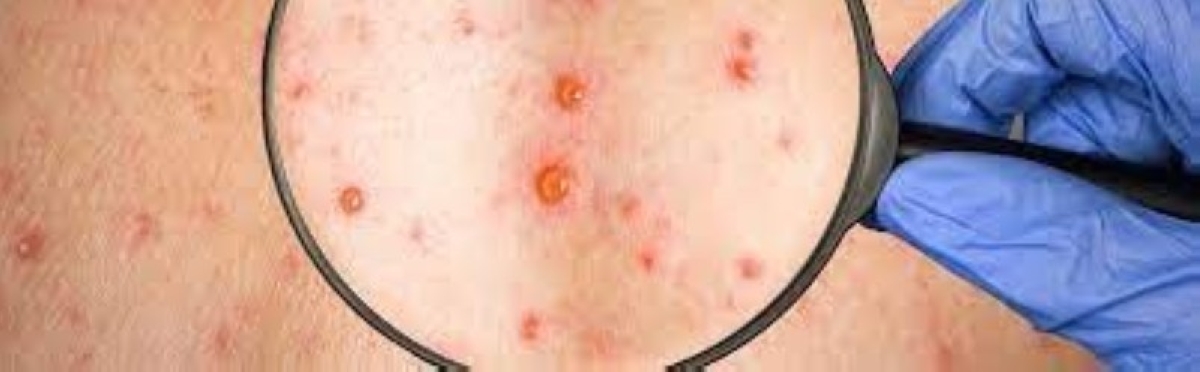
أثار انتشار مرض الجدري المائي (المعروف طبياً باسم الخَرَاج الدجاجي أو «Varicella») بين تلاميذ مدارس في محافظتي المنوفية وأسوان بمصر حالة من القلق بين الأهالي والجهات الصحية، حيث ارتفع عدد الإصابات بإحدى المدارس إلى 24 حالة حتى الخميس، ما دفع وزارة الصحة والتعليم إلى اتخاذ إجراءات وقائية عاجلة.
ويُعد الجدري المائي مرضاً فيروسياً شديد العدوى ينتقل عبر الهواء أو الاتصال المباشر، ويصيب الأطفال بشكل أساسي، لكنه غير خطير في معظم الحالات إذا تم التعامل معه مبكراً، وفقاً لتقارير الجهات الرسمية.
وأوضحت وزارة الصحة أن الإصابات مرتبطة بانتشار المرض في المناطق الريفية، وتم عزل المصابين وتوزيع اللقاح على الطلاب غير المُلَقَّحين.
ووفقاً لتقارير سابقة، شهدت أسوان حالات مشابهة في 2015 بـ30 طفلاً في مدرسة أخرى، ما يشير إلى نمط موسمي في الانتشار خلال فصل الخريف، خصوصاً مع انخفاض المناعة بعد جائحة كوفيد-19 التي أدت إلى ارتفاع الإصابات غير الطبيعية.
ويُعد الجدري المائي أحد الأمراض الموسمية الشائعة في مصر، خصوصاً بين الأطفال غير المُلَقَّحين، حيث ينتقل الفايروس عبر قطرات التنفس أو الاتصال بالبثور، ويظهر بعد 10-21 يوماً من الإصابة.
The spread of chickenpox (medically known as "Varicella") among school students in the governorates of Menoufia and Aswan in Egypt has raised concerns among parents and health authorities, as the number of infections in one school reached 24 cases by Thursday, prompting the Ministry of Health and Education to take urgent preventive measures.
Chickenpox is a highly contagious viral disease that spreads through the air or direct contact, primarily affecting children, but it is not dangerous in most cases if addressed early, according to reports from official sources.
The Ministry of Health clarified that the infections are linked to the spread of the disease in rural areas, and the infected individuals have been isolated while the vaccine is being distributed to unvaccinated students.
According to previous reports, Aswan witnessed similar cases in 2015 with 30 children in another school, indicating a seasonal pattern of spread during the autumn, especially with decreased immunity following the COVID-19 pandemic, which led to an increase in abnormal infections.
Chickenpox is considered one of the common seasonal diseases in Egypt, especially among unvaccinated children, as the virus spreads through respiratory droplets or contact with blisters, appearing 10-21 days after infection.