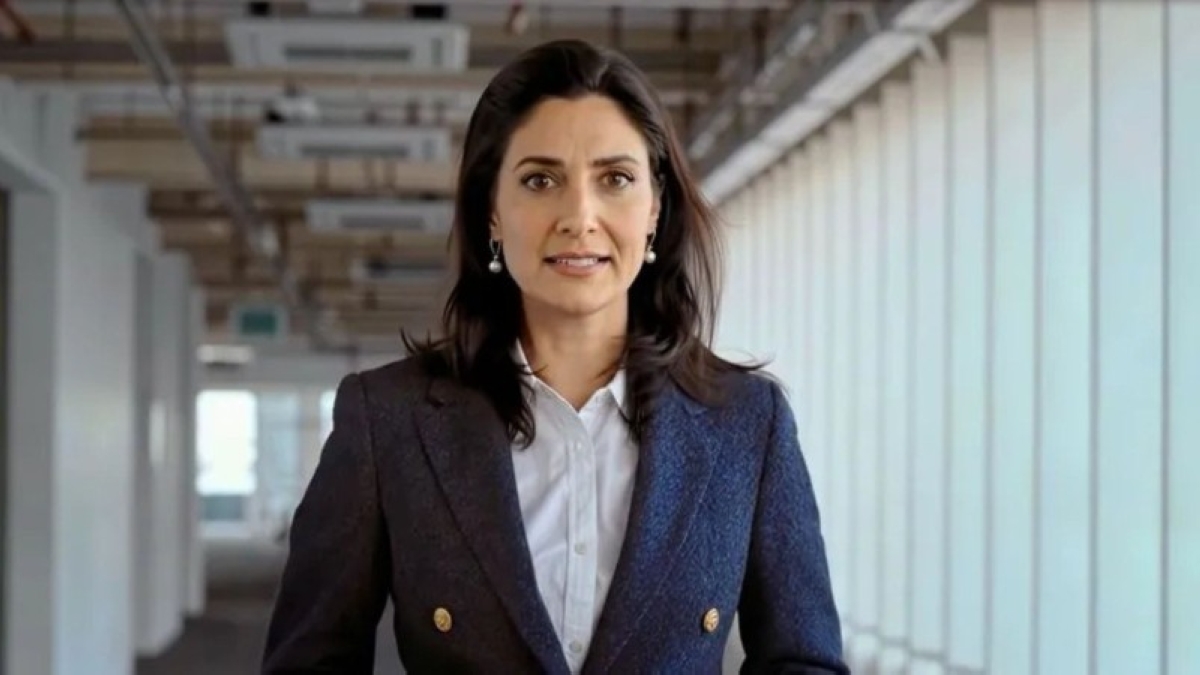
شهدت الشاشة البريطانية حدثاً غير مسبوق، إذ قدّمت قناة «Channel 4» فيلماً وثائقياً بعنوان «هل سيحل الذكاء الاصطناعي محلي في العمل؟» بمشاركة أول مذيعة تم إنشاؤها بالكامل باستخدام تقنيات الذكاء الاصطناعي.
واستعرض الفيلم، الذي بُث مساء الثلاثاء، تأثير الذكاء الاصطناعي على مهن مثل الطب، المحاماة، والإعلام، مما أثار دهشة المشاهدين.
كيان رقمي
كشفت المذيعة في نهاية العرض أنها ليست إنساناً حقيقياً، بل كياناً رقمياً صُمم باستخدام أحدث تقنيات التوليد الاصطناعي.
وفاجأت المذيعة الافتراضية الجمهور بإعلانها في ختام الفيلم: «أنا لست حقيقية، هذه أول مرة أقدم فيها برنامجاً على التلفزيون البريطاني كمذيعة تم إنشاؤها بالذكاء الاصطناعي، ربما خمن بعضكم ذلك، فصوتي وصورتي صُمما بالكامل عبر التكنولوجيا».
وأثار هذا الكشف، الذي ظل طي الكتمان حتى اللحظات الأخيرة، ضجة على وسائل التواصل الاجتماعي، إذ وصف المشاهدون الأداء بأنه «مذهل» و«مقلق في آن واحد»، مع تساؤلات حول مستقبل الإعلام والوظائف البشرية.
وأوضحت إدارة القناة أن المذيعة، صُممت باستخدام نماذج ذكاء اصطناعي متقدمة مثل تقنيات التوليد العميق والتوليف الصوتي، بالتعاون مع شركة بريطانية متخصصة في الذكاء الاصطناعي.
توفير 3.5 مليار دولار
وتناول الفيلم نفسه إحصاءات مقلقة، إذ توقعت دراسة من جامعة أكسفورد (2023) أن 47% من الوظائف في المملكة المتحدة قد تُستبدل بالذكاء الاصطناعي بحلول 2035، بما في ذلك مهن مثل التشخيص الطبي، وتحليل القضايا القانونية، كما أشار الفيلم إلى أن الذكاء الاصطناعي ساهم في توفير 3.5 مليار دولار في القطاع الطبي البريطاني عام 2024.
وأثارت التجربة نقاشاً حاداً بين الجمهور، إذ رحّب البعض بالابتكار كخطوة نحو مستقبل إعلامي أكثر كفاءة، بينما حذّر آخرون من «فقدان الروح البشرية» في الإعلام.
وقال جون سميث، مدير الإنتاج في «Channel 4»: «هدفنا لم يكن استبدال المذيعين، بل إظهار إمكانات التكنولوجيا وفتح نقاش حول تأثيرها»، ليأتي هذا الحدث في سياق سباق عالمي لتطبيق الذكاء الاصطناعي في الإعلام، حيث استخدمت قنوات مثل CGTN الصينية مذيعين افتراضيين منذ 2018، لكن تجربة «Channel 4» تُعد الأولى في بريطانيا.
The British screen witnessed an unprecedented event, as Channel 4 presented a documentary titled "Will AI Replace Humans at Work?" featuring the first-ever presenter created entirely using artificial intelligence technologies.
The film, which aired on Tuesday evening, showcased the impact of artificial intelligence on professions such as medicine, law, and media, leaving viewers astonished.
Digital Entity
The presenter revealed at the end of the show that she is not a real human, but a digital entity designed using the latest generative technologies.
The virtual presenter surprised the audience by announcing at the end of the film: "I am not real; this is my first time presenting a program on British television as an AI-generated presenter. Some of you may have guessed it, as my voice and image were entirely created through technology."
This revelation, which remained under wraps until the last moments, caused a stir on social media, with viewers describing the performance as "amazing" and "worrying at the same time," raising questions about the future of media and human jobs.
The channel's management clarified that the presenter was designed using advanced AI models such as deep generative techniques and voice synthesis, in collaboration with a British company specializing in artificial intelligence.
Saving $3.5 Billion
The film also addressed alarming statistics, as a study from Oxford University (2023) predicted that 47% of jobs in the UK could be replaced by AI by 2035, including professions such as medical diagnosis and legal case analysis. The film noted that AI contributed to saving $3.5 billion in the UK medical sector in 2024.
The experience sparked a heated debate among the audience, with some welcoming the innovation as a step towards a more efficient media future, while others warned of the "loss of human spirit" in media.
John Smith, the production director at Channel 4, stated: "Our goal was not to replace presenters but to showcase the potential of technology and open a discussion about its impact," as this event comes in the context of a global race to apply AI in media, where channels like CGTN in China have been using virtual presenters since 2018, but Channel 4's experience is the first in Britain.