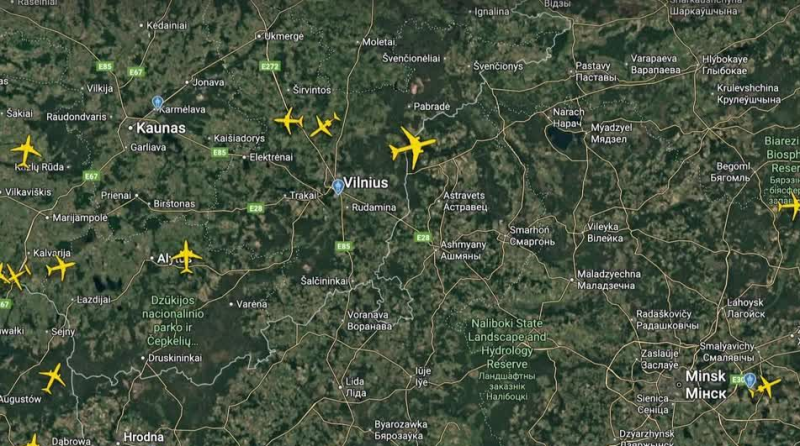
أعلن المركز الوطني لإدارة الأزمات في ليتوانيا (NCMC) تعليق حركة الطيران في مطار فيلنيوس، العاصمة الليتوانية، مساء الثلاثاء، بسبب رصد العشرات من البالونات المستخدمة في تهريب السجائر من بيلاروسيا عبر المجال الجوي للبلاد.
ويأتي هذا الحادث في ظل سلسلة من الاضطرابات التي شهدتها الحركة الجوية في أوروبا أخيرا، حيث تسببت مشاهدات الطائرات بدون طيار والتجاوزات الجوية في تعطيل عمليات الطيران في مطارات بارزة مثل كوبنهاغن وميونيخ ومناطق البلطيق.
وأوضح المركز في بيانه أن البالونات الهيليوم، التي تُستخدم لتهريب السجائر من بيلاروسيا المجاورة، تسببت في تعطيل العمليات الجوية في مطار فيلنيوس.
ودعا المركز المسافرين إلى متابعة التحديثات الرسمية الصادرة عن إدارة المطار للحصول على أحدث المعلومات، ووفقًا لمشغل مطار فيلنيوس، تم تحويل ثماني رحلات جوية واردة إلى مطارات بديلة، منها مطار كاوناس في ليتوانيا ومطار وارسو في بولندا.
وسبق أن شهد مطار فيلنيوس حادثًا مشابهًا في 5 أكتوبر، حيث تم إغلاقه مؤقتًا بسبب رصد بالونات هيليوم مماثلة تحمل بضائع مهربة من بيلاروسيا.
وتشير التقارير إلى أن هذه البالونات تُستخدم بشكل متزايد في عمليات التهريب عبر الحدود، مما يشكل تحديًا أمنيًا متكررًا للسلطات الليتوانية.
وتُعد هذه الظاهرة جزءًا من التوترات المستمرة بين ليتوانيا وبيلاروسيا، حيث تتهم فيلنيوس مينسك بتسهيل أنشطة التهريب عبر الحدود كجزء من الخلافات السياسية والاقتصادية بين البلدين.
وتتزايد عمليات التهريب عبر الحدود بين ليتوانيا وبيلاروسيا منذ فرض الاتحاد الأوروبي عقوبات اقتصادية على بيلاروسيا في عام 2021، رداً على القمع السياسي وأزمة المهاجرين على الحدود، كما تعتمد شبكات التهريب على وسائل غير تقليدية مثل بالونات الهيليوم لنقل السجائر والسلع الأخرى، مستغلةً صعوبة رصد هذه البالونات بأنظمة الرادار التقليدية.
وتُعد السجائر المهربة من بيلاروسيا، حيث الأسعار أقل بكثير بسبب الضرائب المنخفضة، مصدر قلق اقتصادي لليتوانيا، حيث تؤدي إلى خسارة إيرادات ضريبية كبيرة، بينما تستثمر ليتوانيا في تحديث أنظمة المراقبة الجوية لمواجهة هذه التحديات، بما في ذلك استخدام تقنيات متقدمة لرصد البالونات والطائرات بدون طيار كما تعمل السلطات على تعزيز التعاون مع الدول المجاورة للحد من هذه الأنشطة غير القانونية.
The National Crisis Management Center in Lithuania (NCMC) announced the suspension of air traffic at the Vilnius Airport, the capital of Lithuania, on Tuesday evening, due to the detection of dozens of balloons used for smuggling cigarettes from Belarus across the country's airspace.
This incident comes amid a series of disruptions that have recently affected air traffic in Europe, as sightings of drones and airspace violations have disrupted flight operations at major airports such as Copenhagen, Munich, and the Baltic regions.
The center clarified in its statement that the helium balloons, which are used to smuggle cigarettes from neighboring Belarus, caused the disruption of air operations at Vilnius Airport.
The center urged travelers to follow the official updates issued by the airport management for the latest information, and according to the Vilnius Airport operator, eight incoming flights were diverted to alternative airports, including Kaunas Airport in Lithuania and Warsaw Airport in Poland.
Vilnius Airport had previously experienced a similar incident on October 5, when it was temporarily closed due to the sighting of similar helium balloons carrying smuggled goods from Belarus.
Reports indicate that these balloons are increasingly being used in cross-border smuggling operations, posing a recurring security challenge for Lithuanian authorities.
This phenomenon is part of the ongoing tensions between Lithuania and Belarus, with Vilnius accusing Minsk of facilitating smuggling activities across the border as part of the political and economic disputes between the two countries.
Cross-border smuggling operations between Lithuania and Belarus have increased since the European Union imposed economic sanctions on Belarus in 2021 in response to political repression and the migrant crisis at the border, as smuggling networks rely on unconventional means such as helium balloons to transport cigarettes and other goods, exploiting the difficulty of detecting these balloons with traditional radar systems.
Smuggled cigarettes from Belarus, where prices are much lower due to lower taxes, are an economic concern for Lithuania, leading to significant tax revenue losses, while Lithuania is investing in upgrading air surveillance systems to address these challenges, including the use of advanced technologies to detect balloons and drones, as authorities work to enhance cooperation with neighboring countries to curb these illegal activities.