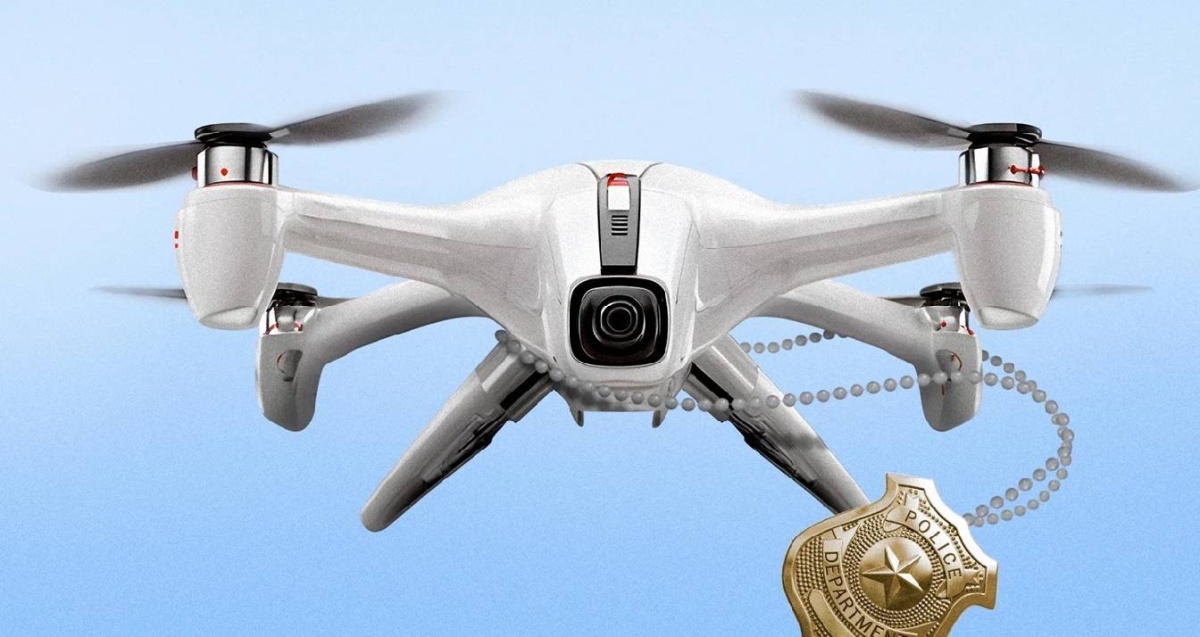
في تطور تكنولوجي، تشهد أقسام الشرطة ومكاتب العمدة في الولايات المتحدة انتشارا متزايدا لاستخدام الطائرات دون طيار المدعومة بالذكاء الاصطناعي في الملاحقات، التحقيقات، وحالات الطوارئ، بل وحتى في إيصال عقار الناركان لإنقاذ الأرواح من الجرعات الزائدة.
وفقا لموقع «أكسيوس»، تأتي هذه التقنية وسط تحديات نقص الكوادر البشرية وضغوط لخفض معدلات الجريمة العنيفة، لكنها تثير تساؤلات حول الرقابة وحماية الخصوصية.
الوضع الحالي
بحلول أواخر عام 2024، استخدمت نحو 1500 دائرة شرطة ومكتب عمدة الطائرات دون طيار، بزيادة 150% عن عام 2018، لكن هذا العام، أعلنت مدن مثل ميامي، كليفلاند، كولومبوس في أوهايو، ودائرة شرطة شارلوت-ميكلنبورغ في كارولاينا الشمالية برامج جديدة للطائرات دون طيار، بينما وسع آخرون أساطيلهم.
تكلفة أقل من الطائرات المروحية
وتشير تقارير إعلامية إلى أن تكلفة هذه الطائرات أقل بكثير من الطائرات المروحية التقليدية، ويتم تمويلها بشكل متزايد عبر المنح الفيدرالية والميزانيات الحكومية، فيما تزايدت الحاجة إلى هذه التقنية بعد مقتل جورج فلويد عام 2020، مما أثار مخاوف حول سلامة الضباط واستخدام القوة المفرطة.
وفي مينيسوتا، أنفقت الوكالات أكثر من مليون دولار على الطائرات دون طيار في عام 2023، بزيادة 44% عن العام السابق.
وفي تحليل أجرته «أكسيوس»، أظهر أن معظم المناطق الحضرية الكبرى في الولايات المتحدة لديها وكالات إنفاذ قانون تستخدم الطائرات دون طيار، حتى لو لم تعلن المدن الكبرى استخدامها علنا.
كيف تعمل الطائرات ومهمات عملها
وتُستخدم هذه الطائرات في الرقابة، البحث والإنقاذ، توثيق الحوادث، والتحقيقات في مسرح الجريمة، إذ توفر رؤية جوية فورية وبيانات دقيقة مزودة بالذكاء الاصطناعي، كاميرات، وأجهزة استشعار، يمكنها تحليل اللقطات واتخاذ إجراءات بناء عليها.
وتشمل مهمات تلك الطائرات تحديد مواقع المفقودين، قراءة لوحات الترخيص، مراقبة الحشود، إعادة بناء مشاهد الحوادث، وتقييم الأحداث مثل إطلاق النار أو الكوارث الطبيعية. كما تُستخدم كوحدات استجابة أولية لمكالمات 911، وتوصيل إمدادات مثل الناركان.
وفي ألبوكيرك، على سبيل المثال، تُستخدم الطائرات دون طيار لمطاردة لصوص السيارات، إذ حصلت الشرطة على إذن من إدارة الطيران الفيدرالية لتشغيلها دون خط رؤية مباشر.
ويقول جيلبرت جاليجوس، المتحدث باسم شرطة ألبوكيرك: «توفر الطائرات رؤية أفضل للموقف وتتيح تحديد المشتبه بهم فور وقوع الجريمة، مما ساهم في تقليل سرقة السيارات بشكل كبير خلال السنوات الثماني الماضية».
التحديات والمخاوف
يأتي ذلك بينما تتطلب فعالية الطائرات دون طيار ربطها بأنظمة تحليل بيانات متقدمة، كما أشار موريسيو كلاينبورغ من شركة Seguritech. لكن بيريل ليبتون من مؤسسة الحدود الإلكترونية حذرت من غياب الشفافية حول كيفية استخدام الشرطة هذه البيانات أو تخزينها لدى الشركات الخاصة.
تجدر الإشارة إلى أن تلك الطائرات قادرة على جمع بيانات بيومترية دقيقة، مثل معدل ضربات القلب وضغط الدم من مسافة 500 متر، مما يثير مخاوف بشأن انتهاك الخصوصية. كما أن القوانين الحالية لم تواكب هذه القدرات التكنولوجية.
على صعيد آخر، تُراقب دعوى قضائية مرفوعة من مؤسسة ACLU في شمال كاليفورنيا ضد مقاطعة سونوما عن كثب، إذ تُتهم الشرطة بجمع صور لساحات المنازل وحمامات السباحة دون أوامر قضائية، إذ إن الدعوى قد تحدد حدود استخدام الشرطة للطائرات دون طيار في المستقبل.
In a technological development, police departments and mayor's offices in the United States are witnessing an increasing prevalence of the use of drones supported by artificial intelligence in pursuits, investigations, and emergencies, and even in delivering Narcan to save lives from overdoses.
According to Axios, this technology comes amid challenges of personnel shortages and pressures to reduce violent crime rates, but it raises questions about oversight and privacy protection.
The Current Situation
By late 2024, about 1,500 police departments and mayor's offices had used drones, a 150% increase from 2018. This year, cities like Miami, Cleveland, Columbus in Ohio, and the Charlotte-Mecklenburg Police Department in North Carolina announced new drone programs, while others expanded their fleets.
Lower Cost than Helicopters
Media reports indicate that the cost of these drones is much lower than that of traditional helicopters, and they are increasingly funded through federal grants and government budgets. The need for this technology increased after the killing of George Floyd in 2020, raising concerns about officer safety and the use of excessive force.
In Minnesota, agencies spent over a million dollars on drones in 2023, a 44% increase from the previous year.
An analysis by Axios showed that most major urban areas in the United States have law enforcement agencies using drones, even if major cities do not publicly announce their use.
How Drones Work and Their Missions
These drones are used for surveillance, search and rescue, documenting incidents, and investigations at crime scenes, providing immediate aerial views and accurate data equipped with artificial intelligence, cameras, and sensors that can analyze footage and take action based on it.
The missions of these drones include locating missing persons, reading license plates, monitoring crowds, reconstructing accident scenes, and assessing events such as shootings or natural disasters. They are also used as initial response units for 911 calls and delivering supplies like Narcan.
In Albuquerque, for example, drones are used to chase car thieves, as the police obtained permission from the Federal Aviation Administration to operate them without a direct line of sight.
Gilbert Gallegos, a spokesperson for the Albuquerque Police, says, “Drones provide a better view of the situation and allow for the identification of suspects immediately after a crime occurs, which has significantly contributed to reducing car thefts over the past eight years.”
Challenges and Concerns
This comes as the effectiveness of drones requires linking them to advanced data analysis systems, as noted by Mauricio Kleinberg from Seguritech. However, Peril Lipton from the Electronic Frontier Foundation warned of the lack of transparency regarding how police use this data or store it with private companies.
It is worth noting that these drones are capable of collecting precise biometric data, such as heart rate and blood pressure from a distance of 500 meters, raising concerns about privacy violations. Current laws have not kept pace with these technological capabilities.
On another note, a lawsuit filed by the ACLU in Northern California against Sonoma County is being closely monitored, as the police are accused of collecting images of backyards and swimming pools without warrants, as the lawsuit could set limits on police use of drones in the future.