في خطوة تعيد رسم خريطة التحصينات العسكرية لمصر القديمة، كشفت بعثة أثرية مصرية عن قلعة عسكرية ضخمة تعود إلى عصر الدولة الحديثة، التي امتدت من حوالى 1550 ق.م. إلى 1070 ق.م. المعروفة بعصر الازدهار العسكري والتوسع لمصر القديمة، في موقع تل الخروبة بمنطقة الشيخ زويد شمال سيناء.
وتعد هذه القلعة، التي تقع على طريق حورس الحربي الإستراتيجي قرب ساحل البحر المتوسط، واحدة من أكبر القلاع المكتشفة في المنطقة، بمساحة تصل إلى 8000 متر مربع، وتؤكد عبقرية المصريين القدماء في بناء منظومة دفاعية متكاملة لحماية حدودهم الشرقية.
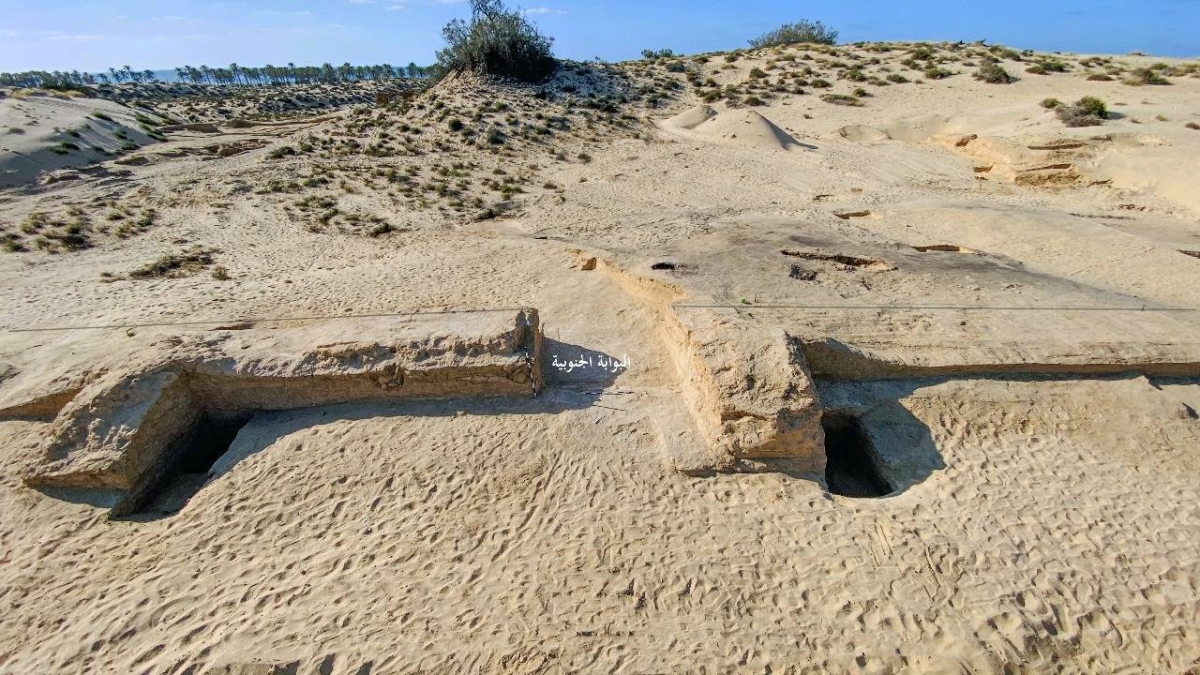
وأسفرت أعمال الحفائر في تل الخروبة عن كشف جزء من السور الجنوبي للقلعة بطول 105 أمتار وعرض 2.5 متر، يتوسطه مدخل فرعي بعرض 2.20 متر، إضافة إلى 11 برجا دفاعيا حتى الآن، وجزء من السورين الشمالي والغربي، والبرج الشمالي الغربي.
ووفقا لوزارة السياحة والآثار المصرية واجهت البعثة تحديات من الكثبان الرملية المتحركة التي غطت أجزاء واسعة، لكنها كشفت أيضا عن سور «زجزاجي» بطول 75 مترا في الجانب الغربي، يقسم القلعة من الشمال إلى الجنوب ويحيط بمنطقة سكنية للجنود، وهو تصميم معماري مميز يعكس التكيف مع البيئة القاسية في عصر الدولة الحديثة.
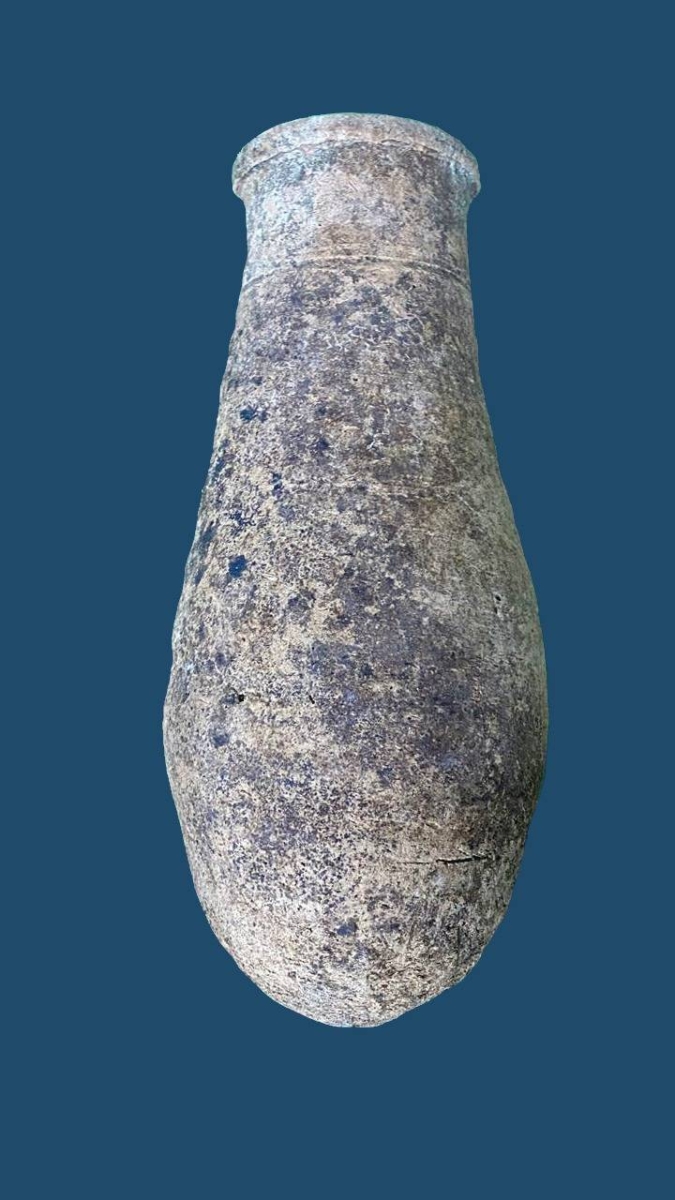
وعثرت البعثة الأثرية على كسرات وأوانٍ فخارية متنوعة، بما في ذلك ودائع أساس أسفل أحد الأبراج ترجع إلى النصف الأول من الأسرة الثامنة عشرة، ويد إناء مختومة باسم الملك تحتمس الأول (حوالى 1506-1493 ق.م.).
كما عُثر على كميات من أحجار بركانية يُرجح نقلها عبر البحر من براكين جزر اليونان، وفرن كبير لإعداد الخبز مع عجين متحجر بجواره، ما يؤكد أن القلعة كانت مركزا حيويا للحياة اليومية للجنود، وأشارت الدراسات الأولية إلى مراحل ترميم متعددة، بما في ذلك تعديلات في المدخل الجنوبي، وتأمل البعثة في كشف بقية الأسوار والميناء العسكري القريب من الساحل.
وأعلن وزير السياحة والآثار المصري الدكتور شريف فتحي، أن الكشف يُجسد عبقرية المصري القديم في الدفاع، ويعزز مكانة سيناء حضاريا، مع خطط لدمج الموقع في مسارات سياحية جديدة.
عمر الدولة الحديثة في مصر القديمة
تمثل الدولة الحديثة، التي امتدت من حوالى 1550 ق.م. إلى 1070 ق.م. عصر الازدهار العسكري والتوسع لمصر القديمة، إذ قاد ملوك مثل تحتمس الأول وتحتمس الثالث حملات ناجحة لصد الغزوات الهكسوسية والحيثية، وتأمين الطرق التجارية والعسكرية، وكان طريق حورس الحربي، الممتد من دلتا النيل إلى فلسطين، الشريان الرئيسي لهذه الحملات، وشُيِدت عليه سلسلة من القلاع كـ«حصون الشرق» لحماية الحدود الشرقية من التهديدات الخارجية.
وشهدت سيناء، التي كانت بوابة مصر الشرقية، اكتشافات سابقة مثل قلعة تل الخروبة في الثمانينات (مساحتها 2500 متر مربع)، وقلاع تل حبوة وتل البرج وتل الأبيض، جميعها تعود إلى العصر نفسه.
وهذه التحصينات لم تكن مجرد جدران، بل مراكز حياة متكاملة تضم سكنا للجنود ومنشآت إنتاجية، ما يعكس تنظيما عسكريا متقدما، ويأتي الاكتشاف الجديد في سياق حملات حفائر حديثة مدعومة من المجلس الأعلى للآثار، ويُضيف إلى قائمة التراث العالمي.
In a move that redraws the map of military fortifications of ancient Egypt, an Egyptian archaeological mission has revealed a massive military fortress dating back to the New Kingdom, which spanned from around 1550 BC to 1070 BC, known for its military prosperity and expansion of ancient Egypt, located at Tell al-Kharuba in the Sheikh Zuweid area of North Sinai.
This fortress, situated on the strategic Horus military road near the Mediterranean coast, is one of the largest fortresses discovered in the region, covering an area of up to 8,000 square meters, and confirms the genius of the ancient Egyptians in constructing a comprehensive defensive system to protect their eastern borders.
The excavations at Tell al-Kharuba have uncovered part of the southern wall of the fortress, measuring 105 meters in length and 2.5 meters in width, with a secondary entrance 2.20 meters wide, in addition to 11 defensive towers so far, and parts of the northern and western walls, along with the northwestern tower.
According to the Egyptian Ministry of Tourism and Antiquities, the mission faced challenges from shifting sand dunes that covered large areas, but also uncovered a "zigzag" wall 75 meters long on the western side, dividing the fortress from north to south and surrounding a residential area for soldiers, a distinctive architectural design that reflects adaptation to the harsh environment of the New Kingdom.
The archaeological mission found shards and various pottery vessels, including foundational deposits beneath one of the towers dating back to the first half of the Eighteenth Dynasty, and a hand of a vessel stamped with the name of King Thutmose I (around 1506-1493 BC).
Additionally, quantities of volcanic stones were found, likely transported by sea from the volcanoes of the Greek islands, and a large oven for baking bread with petrified dough nearby, confirming that the fortress was a vital center for the daily life of soldiers. Preliminary studies indicated multiple restoration phases, including modifications to the southern entrance, and the mission hopes to uncover the remaining walls and the military port near the coast.
The Egyptian Minister of Tourism and Antiquities, Dr. Sherif Fathy, announced that the discovery embodies the genius of the ancient Egyptians in defense and enhances the cultural status of Sinai, with plans to integrate the site into new tourist routes.
The Era of the New Kingdom in Ancient Egypt
The New Kingdom, which extended from around 1550 BC to 1070 BC, represents the era of military prosperity and expansion of ancient Egypt, as kings like Thutmose I and Thutmose III led successful campaigns to repel Hyksos and Hittite invasions, securing trade and military routes. The Horus military road, stretching from the Nile Delta to Palestine, was the main artery for these campaigns, and a series of fortresses were built along it as "forts of the East" to protect the eastern borders from external threats.
Sinai, which was Egypt's eastern gateway, witnessed previous discoveries such as the Tell al-Kharuba fortress in the 1980s (covering an area of 2,500 square meters), and the fortresses of Tell Habwa, Tell al-Burj, and Tell al-Abyad, all dating back to the same era.
These fortifications were not merely walls but integrated life centers that included housing for soldiers and productive facilities, reflecting advanced military organization. The new discovery comes in the context of recent excavation campaigns supported by the Supreme Council of Antiquities and adds to the list of world heritage.