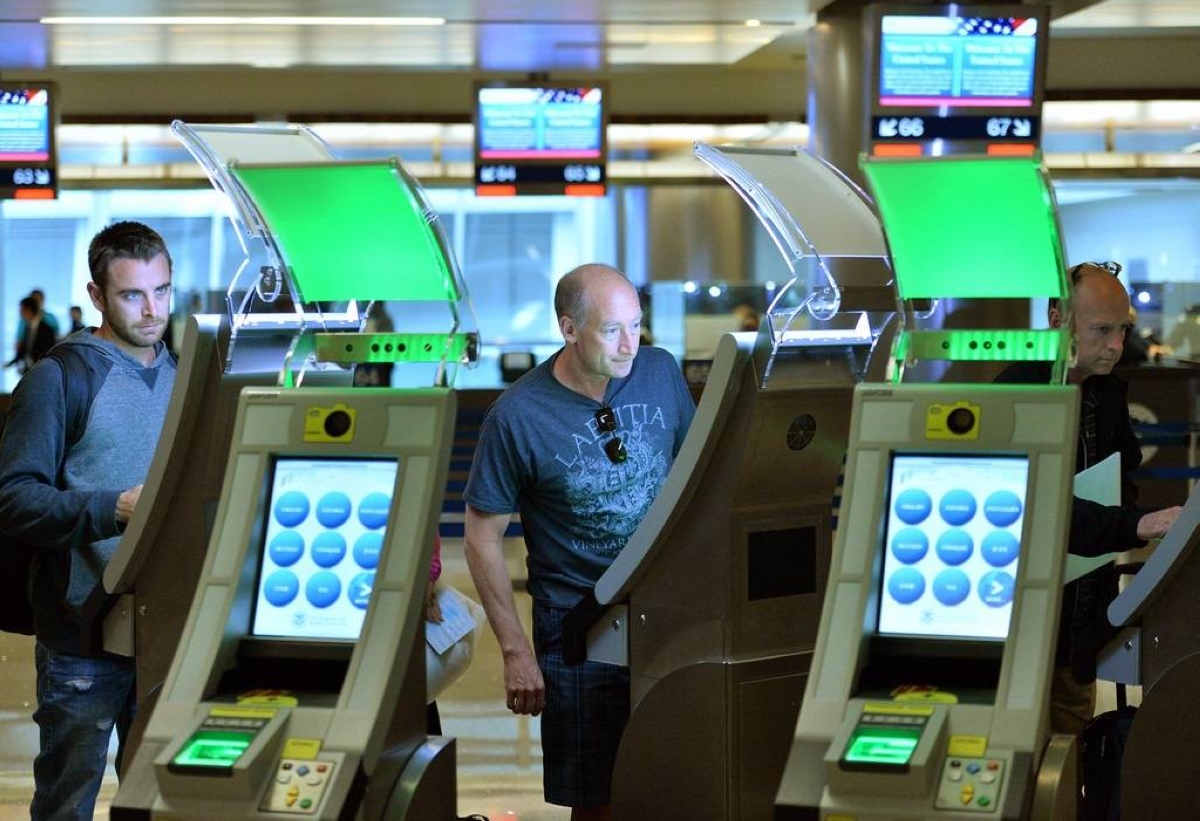
يبدأ الاتحاد الأوروبي، اعتبارا من اليوم (الأحد)، تطبيق نظام الدخول والخروج الجديد (EES) باستخدام البصمة البيومترية، ما يفرض على ملايين السياح والمسافرين من خارج الاتحاد فحوصات بيومترية إلزامية، ويمثل النظام الجديد الذي سيغطي 29 دولة أوروبية، خطوة كبيرة نحو حدود أكثر ذكاء، لكنه قد يغير تجربة السفر إلى الأبد.
ووفقا للنظام الجديد الذي يبدأ الاتحاد الأوروبي العمل به سيتم تسجيل بصمات أصابع الزوار وصور وجوههم عند الدخول إلى منطقة شنغن الخالية من الجوازات، وهو إجراء يهدف إلى تعزيز الأمن لكنه يثير مخاوف بشأن الخصوصية والتأخيرات في المطارات.
ويبدأ تطبيق النظام الجديد تدريجيا اعتبارا من 12 أكتوبر، مع تطبيقه الكامل بحلول أبريل 2026، بحيث يقوم المسافر عند الوصول إلى مطار أو ميناء شنغن، من دول مثل الولايات المتحدة أو المملكة المتحدة أو دول الشرق الأوسط بتقديم بصمات أربع أصابع وصورة وجه عبر أجهزة آلية.
ووفقا للسلطات الأوروبية فإنه في المرة الأولى، قد يستغرق التسجيل 2-5 دقائق، مع إمكانية الانتظار الإضافي في المطارات الكبرى مثل شارل ديغول في باريس أو هيثرو في لندن (للعابرين إلى أوروبا)، وكذلك الخروج سيكون أيضا آليا، إذ يسجل النظام التواريخ للكشف عن الإقامات الزائدة، وقد يؤدي التجاوز إلى حظر دخول لمدة 3 سنوات.
ونشأ مشروع البصمة البيومترية في أعقاب هجمات إرهابية في باريس عام 2015 وبرلين عام 2016، وكشفت التحقيقات عن ثغرات في تتبع حركة المسافرين غير الأوروبيين الذين تحق لهم إقامة قصيرة تصل إلى 90 يوما في 180 يوما دون تأشيرة.
وكانت الحدود في الدول الأوروبية تعتمد قبل نظام البصمة البيومترية، على ختم الجوازات الورقي، وهو نظام يعاني من الأخطاء البشرية والتزوير، ما سمح لآلاف «المتجاوزين» بالبقاء بشكل غير قانوني.
ووافق البرلمان الأوروبي والمجلس على اللوائح في نوفمبر 2017، لكن التأخيرات التقنية و«الجائحة» دفعا الإطلاق إلى 2025، ويخزن النظام بيانات بيومترية لمدة 3 سنوات للدخول مع حماية خصوصية تتوافق مع اللائحة العامة لحماية البيانات.
ويُقدر أن النظام سيوفر 500 مليون يورو سنويا من خلال تقليل التزوير، لكنه قد يزيد وقت الانتظار في المطارات بنسبة 20% في البداية، وفي 2024، سجل الاتحاد 200 مليون عبور حدود غير أوروبي، ومع النظام الجديد سيتم تتبع 90% منها إلكترونيا.
The European Union begins today (Sunday) the implementation of the new Entry/Exit System (EES) using biometric fingerprints, which imposes mandatory biometric checks on millions of tourists and travelers from outside the Union. The new system, which will cover 29 European countries, represents a significant step towards smarter borders, but it may change the travel experience forever.
According to the new system that the European Union is starting to implement, visitors' fingerprints and facial images will be recorded upon entering the Schengen Area, which is free of passport checks. This procedure aims to enhance security but raises concerns about privacy and delays at airports.
The new system will be gradually implemented starting from October 12, with full implementation expected by April 2026. When travelers arrive at a Schengen airport or port from countries such as the United States, the United Kingdom, or Middle Eastern countries, they will need to provide four fingerprints and a facial image via automated devices.
According to European authorities, the initial registration may take 2-5 minutes, with potential additional waiting times at major airports like Charles de Gaulle in Paris or Heathrow in London (for those transiting to Europe). The exit process will also be automated, as the system records dates to detect overstays, which may result in a 3-year entry ban for violators.
The biometric fingerprint project was initiated following terrorist attacks in Paris in 2015 and Berlin in 2016, which revealed gaps in tracking the movements of non-European travelers who are entitled to short stays of up to 90 days within a 180-day period without a visa.
Prior to the biometric fingerprint system, borders in European countries relied on paper passport stamps, a system plagued by human error and forgery, allowing thousands of "overstayers" to remain illegally.
The European Parliament and the Council approved the regulations in November 2017, but technical delays and the "pandemic" pushed the launch to 2025. The system stores biometric data for 3 years for entry, with privacy protections in line with the General Data Protection Regulation.
It is estimated that the system will save 500 million euros annually by reducing fraud, but it may initially increase waiting times at airports by 20%. In 2024, the Union recorded 200 million non-European border crossings, and with the new system, 90% of these will be tracked electronically.