فاز الكاتب المجري لاسلو كراسناهوركاي بجائزة نوبل للآداب لعام 2025، تقديرا لأعماله الأدبية الرؤيوية التي تجمع بين القوة الإبداعية والرؤى العميقة، مؤكدة قدرة الفن على مواجهة التحديات الإنسانية في خضم الرعب الذي ينذر بنهاية العالم.
وأشادت الأكاديمية السويدية، التي تمنح الجائزة، بأسلوب لاسلو كراسناهوركاي الملحمي الذي يندرج ضمن التقاليد الأدبية الأوروبية الوسطى، متأثرا بكتاب مثل فرانز كافكا وتوماس بيرنهارد، مع لمسات من السخرية والمبالغة الغرائبية.
في هذا التقرير نسلط الضوء على من هو لاسلو كراسناهوركاي ونشأته وأبرز أعماله وأسباب فوزه بجائزة نوبل للأدب 2025.
من هو لاسلو كراسناهوركاي؟
وُلد لاسلو كراسناهوركاي عام 1954 في مدينة جيولا الصغيرة جنوب شرق هنغاريا في المجر، ونشأ في ظل الحكم الشيوعي، مستلهما تجاربه ورحلاته إلى برلين والشرق الأقصى.
بدأ مسيرته برواية «ساتانتاغو» (1985)، التي تصور حياة قرويين فقراء قبيل انهيار الشيوعية، وحققت نجاحا كبيرا وتحولت إلى فيلم للمخرج بيلا تار عام 1994.
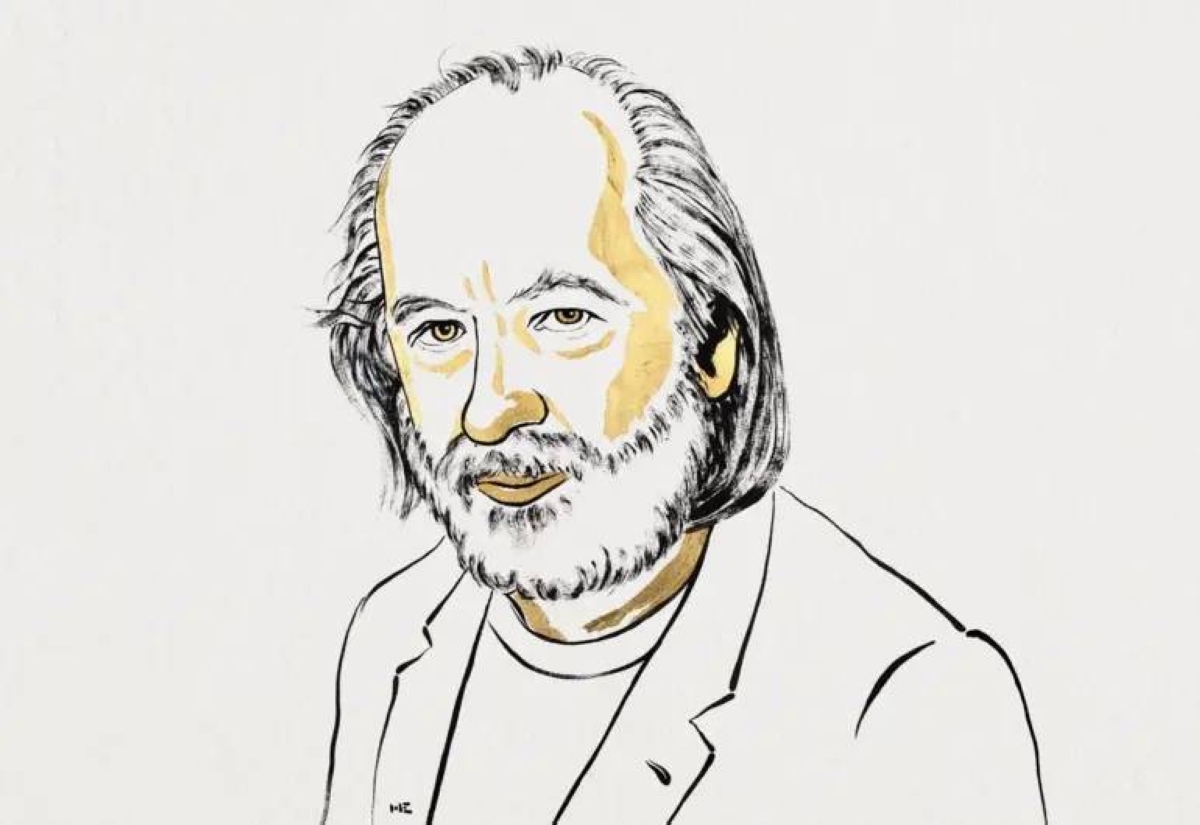
المجري لاسلو كراسناهوركاي الفائز بجائزة نوبل للآداب 2025.
جوائز كراسناهوركاي
يُعد كراسناهوركاي ثاني مجري ينال جائزة نوبل بعد إيمري كيرتيس (2002)، كما فاز بجائزة مان بوكر الدولية 2015، وجائزة أفضل كتاب مترجم عن «ساتانتاغو» (2013).
وتتسم أعماله، مثل «كآبة المقاومة» (1989) و«حرب وحرب» (1999)، بالعمق والسخرية، إذ وصفته الناقدة سوزان سونتاغ بـ«سيد نهاية العالم»، روايته «بارون وينكهايم يعود إلى الديار» (2016) قدمت سخرية طريفة عن نبيل عائد من المنفى.
رحلاته إلى الصين واليابان
أثرت رحلاته إلى الصين واليابان على أعمال مثل «سيوبو هناك في الأسفل» (2008)، المستوحاة من الأساطير اليابانية.
ويُعرف كراسناهوركاي بأسلوبه «الهوسي»، بجمل طويلة وفقرات معقدة، عاكسا «التمعن في الواقع إلى حد الجنون».
أعمال كراسناهوركاي
روايته «هيرشت 07769» (2021) صوّرت اضطرابات اجتماعية في ألمانيا قبل كورونا، مركزة على شخصية فلوريان هيرشت، الذي يواجه الفوضى في بلدة تورينغن.
وفي «زشيمله أودافان»، يعود إلى المجر عبر شخصية العم جوزي كادا، الذي يخفي سرا ملكيا.
وتُبرز أعمال كراسناهوركاي، المستوحاة من كافكا وتقاليد أوروبا الوسطى، قدرة الأدب على مواجهة التحديات الإنسانية، مما جعله رمزا للأدب الحديث.
كما تأتي أعمال كراسناهوركاي في سياق عالمي مشحون بالتوترات، إذ يرى البعض أن كتاباته، التي تمتزج فيها السخرية المظلمة والرؤى القاتمة، تعكس تحديات القرن الـ21، مثل الحروب والصراعات الإقليمية. ويُعد فوزه بجائزة نوبل، التي تُمنح بقيمة 11 مليون كرونة سويدية (1.2 مليون دولار)، رابع جوائز نوبل المُعلنة لعام 2025.
أسباب فوز كراسناهوركاي بـ«نوبل»
يتميز كراسناهوركاي بتنوع أسلوبه الأدبي، إذ يمزج بين التأمل العميق المستوحى من الثقافات الشرقية وبين السرد الملحمي، فقد تركت رحلاته إلى الصين واليابان أثرا عميقا في أعماله، التي تنتقل بسلاسة بين قرى أوروبا الوسطى النائية ومدن الشرق الأقصى. وصفته الناقدة الأمريكية سوزان سونتاغ بـ«سيد الأدب المعاصر للرؤى الكارثية»، وذلك بعد قراءتها روايته الثانية «حزن المقاومة».
تعاون كراسناهوركاي بشكل وثيق مع المخرج الهنغاري بيلا تار، إذ تحولت العديد من أعماله إلى أفلام سينمائية، مثل «ساتانتاغو»، وهو فيلم يمتد لأكثر من 7 ساعات، و«هارمونيات ويركمايستر»، وقد حظيت هذه الأعمال بإشادة نقدية واسعة، إذ فاز كراسناهوركاي بجائزة «بيستنليست» الألمانية عام 1993 عن روايته «حزن المقاومة».
جائزة نوبل
تُمنح جوائز نوبل بناء على وصية ألفريد نوبل، وقد حصل عليها على مر السنين أدباء بارزون مثل ويليام فوكنر، ونستون تشرشل، وأورهان باموق، ومع ذلك أثارت اختيارات الأكاديمية السويدية جدلا في بعض الأحيان، مثل منح الجائزة لبوب ديلان عام 2016 أو بيتر هاندكه عام 2019.
The Hungarian writer László Krasznahorkai has won the Nobel Prize in Literature for 2025, in recognition of his visionary literary works that combine creative power and deep insights, affirming the ability of art to confront human challenges amid the horror that threatens the end of the world.
The Swedish Academy, which awards the prize, praised László Krasznahorkai's epic style, which falls within the traditions of Central European literature, influenced by writers such as Franz Kafka and Thomas Bernhard, with touches of irony and grotesque exaggeration.
In this report, we highlight who László Krasznahorkai is, his background, his most notable works, and the reasons for his winning the Nobel Prize in Literature 2025.
Who is László Krasznahorkai?
László Krasznahorkai was born in 1954 in the small town of Gyula in southeastern Hungary, and he grew up under communist rule, drawing inspiration from his experiences and travels to Berlin and the Far East.
He began his career with the novel "Satantango" (1985), which depicts the lives of poor villagers just before the collapse of communism, achieving great success and later adapted into a film by director Béla Tarr in 1994.
المجري لاسلو كراسناهوركاي الفائز بجائزة نوبل للآداب 2025.
Krasznahorkai's Awards
Krasznahorkai is the second Hungarian to receive the Nobel Prize after Imre Kertész (2002), and he also won the Man Booker International Prize in 2015, as well as the Best Translated Book Award for "Satantango" (2013).
His works, such as "The Melancholy of Resistance" (1989) and "War and War" (1999), are characterized by depth and irony, with critic Susan Sontag describing him as the "master of the end of the world." His novel "Baron Wenckheim Returns Home" (2016) offered a humorous satire about a nobleman returning from exile.
His Travels to China and Japan
His travels to China and Japan have influenced works such as "Seibo There Below" (2008), inspired by Japanese mythology.
Krasznahorkai is known for his "obsessive" style, featuring long sentences and complex paragraphs, reflecting "a contemplation of reality to the point of madness."
Krasznahorkai's Works
His novel "Herscht 07769" (2021) depicted social upheavals in Germany before COVID-19, focusing on the character Florian Herscht, who faces chaos in the town of Thuringia.
In "Zsihmle Odavan," he returns to Hungary through the character Uncle Józsi Kada, who hides a royal secret.
Krasznahorkai's works, inspired by Kafka and Central European traditions, highlight the power of literature to confront human challenges, making him a symbol of modern literature.
His works also come in a global context charged with tensions, as some see his writings, which blend dark irony and bleak visions, as reflecting the challenges of the 21st century, such as wars and regional conflicts. His winning the Nobel Prize, which is awarded with a value of 11 million Swedish kronor (1.2 million dollars), is the fourth Nobel Prize announced for 2025.
Reasons for Krasznahorkai's Nobel Win
Krasznahorkai is distinguished by the diversity of his literary style, blending deep contemplation inspired by Eastern cultures with epic narration. His travels to China and Japan have left a profound impact on his works, which transition smoothly between remote villages in Central Europe and cities in the Far East. American critic Susan Sontag described him as the "master of contemporary literature of catastrophic visions," after reading his second novel "The Melancholy of Resistance."
Krasznahorkai has closely collaborated with Hungarian director Béla Tarr, as many of his works have been adapted into films, such as "Satantango," a film that extends over 7 hours, and "Werckmeister Harmonies." These works have received widespread critical acclaim, with Krasznahorkai winning the German "Bestenliste" award in 1993 for his novel "The Melancholy of Resistance."
The Nobel Prize
The Nobel Prizes are awarded based on the will of Alfred Nobel, and over the years, prominent writers such as William Faulkner, Winston Churchill, and Orhan Pamuk have received them. However, the choices of the Swedish Academy have sometimes sparked controversy, such as awarding the prize to Bob Dylan in 2016 or Peter Handke in 2019.