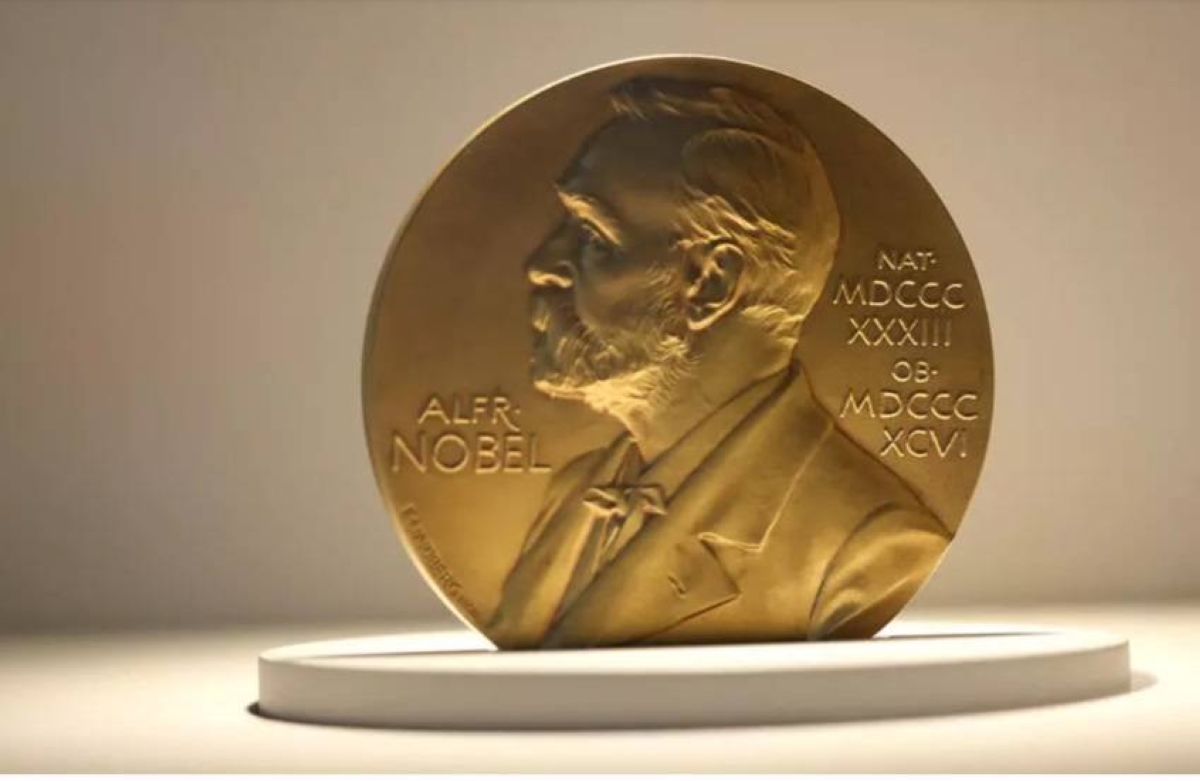
جائزة نوبل ليست مجرد تكريم شخصي، بل هي شهادة على إسهامات لا تُنسى في مجالات عدة من العلوم إلى السلام والأدب. ومن بين مئات الحاصلين عليها، تميز عدد من العلماء والقادة العرب، الذين أثبتوا أن الإرادة والمعرفة يمكن أن تخرجا من قلب التحديات ليصنعا التاريخ.
السلام
محمد أنور السادات (مصر، 1978)
كان أول عربي ومسلم يحصل على جائزة نوبل للسلام، بعد توقيعه معاهدة كامب ديفيد التاريخية مع إسرائيل، التي مهّدت لحقبة جديدة من السلم في الشرق الأوسط.
ياسر عرفات (فلسطين، 1994)
رئيس منظمة التحرير الفلسطينية، شارك في جهود السلام مع إسرائيل، فحاز الجائزة مع شريكيه الإسرائيليين، في خطوة نحو إنهاء نزاع طويل الأمد.
محمد البرادعي (مصر، 2005)
كرمته لجنة نوبل مع الوكالة الدولية للطاقة الذرية، اعترافًا بدوره في منع انتشار الأسلحة النووية.
توكل كرمان (اليمن، 2011)
أول امرأة عربية تحصل على نوبل للسلام، وهي ناشطة حقوقية نادت بالحرية والكرامة خلال ثورات الربيع العربي.
الرباعي الراعي للحوار الوطني التونسي (2015)
بعد جهود جماعية لتثبيت الانتقال الديمقراطي في تونس.
الأدب
نجيب محفوظ (مصر، 1988)
رائد الرواية العربية، الذي وضع الأدب المصري والعربي على الخريطة العالمية بأعماله الواقعية التي تناولت تفاصيل المجتمع.
عبد الرزاق قرنح (تنزانيا/أصول يمنية، 2021)
أديب عالمي يعكس تجارب اللاجئين وقضايا ما بعد الاستعمار، حاملاً صوت العرب إلى فضاءات أدبية جديدة.
الكيمياء
أحمد زويل (مصر/أمريكا، 1999)
حصل على نوبل لاختراعاته في فيمتو ثانية، حيث فتح أبواب فهم أسرار التفاعلات الكيميائية في زمن قياسي.
إلياس جيمس خوري (لبنان/أمريكا، 1990)
شارك في تطوير نظرية تركيب العضويات، معززًا موقع العرب في العلوم الدقيقة.
منجي محمد صالح باوندي (تونس/أمريكا/فرنسا، 2023)
حصل على الجائزة لأبحاثه في النقاط الكمومية، مدافعًا عن تفوق العرب في علوم النانو.
عمر ياغي (السعودية، 2025)
رائد الكيمياء العضوية الفلزية، الذي غيّر قواعد اللعبة بابتكاراته في الأطر المعدنية العضوية (MOFs) لتخزين الطاقة والمياه. عمر ياغي، ابن عائلة فلسطينية لاجئة، ومنصة للتميز العلمي، أسس معاهد بحثية عالمية وكرّس حياته لفهم الكيمياء التي تخدم البشرية. بإنجازه الأخير، أثبت أن العالم العربي قادر على تقديم علوم تغير الواقع.
الطب أو علم وظائف الأعضاء
بيتر مدور (بريطاني من أصول لبنانية، 1960)
حصل على الجائزة لاكتشافه التحمل المناعي المكتسب، وهو أول عربي ينال هذه الجائزة.
آرديم باتابوتيان (لبنان/أمريكا، 2021)
شارك في اكتشاف مستقبلات اللمس والحرارة، مؤكداً التفوق العربي في علوم الأعصاب.
بصمات لا تُمحى
هذه القائمة ليست مجرد أرقام، بل هي سرد قصص أبطال تحدّوا الصعاب، وجعلوا من العلم والسلام والأدب جسورًا بين الشعوب والثقافات. وعمر ياغي بإضافة اسمه إلى هذه المجموعة الرفيعة، يضع بصمة لا تُمحى في تاريخ العرب والعالم.
The Nobel Prize is not just a personal honor; it is a testament to unforgettable contributions in various fields, from science to peace and literature. Among the hundreds of laureates, a number of Arab scientists and leaders have distinguished themselves, proving that will and knowledge can emerge from the heart of challenges to make history.
Peace
Mohamed Anwar Sadat (Egypt, 1978)
He was the first Arab and Muslim to receive the Nobel Peace Prize, after signing the historic Camp David Accords with Israel, which paved the way for a new era of peace in the Middle East.
Yasser Arafat (Palestine, 1994)
The Chairman of the Palestine Liberation Organization, he participated in peace efforts with Israel, receiving the prize alongside his Israeli partners, in a step towards ending a long-standing conflict.
Mohamed ElBaradei (Egypt, 2005)
He was awarded by the Nobel Committee along with the International Atomic Energy Agency, in recognition of his role in preventing the spread of nuclear weapons.
Tawakkol Karman (Yemen, 2011)
The first Arab woman to receive the Nobel Peace Prize, she is a human rights activist who called for freedom and dignity during the Arab Spring revolutions.
The Tunisian National Dialogue Quartet (2015)
After collective efforts to stabilize the democratic transition in Tunisia.
Literature
Naguib Mahfouz (Egypt, 1988)
A pioneer of Arabic literature, who placed Egyptian and Arab literature on the global map with his realistic works that addressed the details of society.
Abdulrazak Gurnah (Tanzania/Yemeni origins, 2021)
A global writer reflecting the experiences of refugees and post-colonial issues, carrying the voice of Arabs to new literary spaces.
Chemistry
Ahmed Zewail (Egypt/USA, 1999)
He received the Nobel Prize for his inventions in femtochemistry, opening doors to understanding the secrets of chemical reactions in record time.
Elia James Khoury (Lebanon/USA, 1990)
He contributed to the development of the theory of molecular structure, enhancing the position of Arabs in the exact sciences.
Monji Mohammed Saleh Baoundi (Tunisia/USA/France, 2023)
He received the award for his research in quantum dots, defending the superiority of Arabs in nanoscience.
Omar Yaghi (Saudi Arabia, 2025)
A pioneer in metal-organic chemistry, who changed the game with his innovations in metal-organic frameworks (MOFs) for energy and water storage. Omar Yaghi, a son of a Palestinian refugee family and a platform for scientific excellence, established global research institutes and dedicated his life to understanding chemistry that serves humanity. With his latest achievement, he proved that the Arab world is capable of delivering sciences that change reality.
Medicine or Physiology
Peter Medawar (British of Lebanese descent, 1960)
He received the prize for his discovery of acquired immune tolerance, being the first Arab to win this award.
Ardem Patapoutian (Lebanon/USA, 2021)
He participated in the discovery of touch and temperature receptors, affirming Arab excellence in neuroscience.
Indelible Imprints
This list is not just numbers; it is a narrative of the stories of heroes who challenged difficulties, making science, peace, and literature bridges between peoples and cultures. By adding his name to this esteemed group, Omar Yaghi leaves an indelible mark in the history of Arabs and the world.