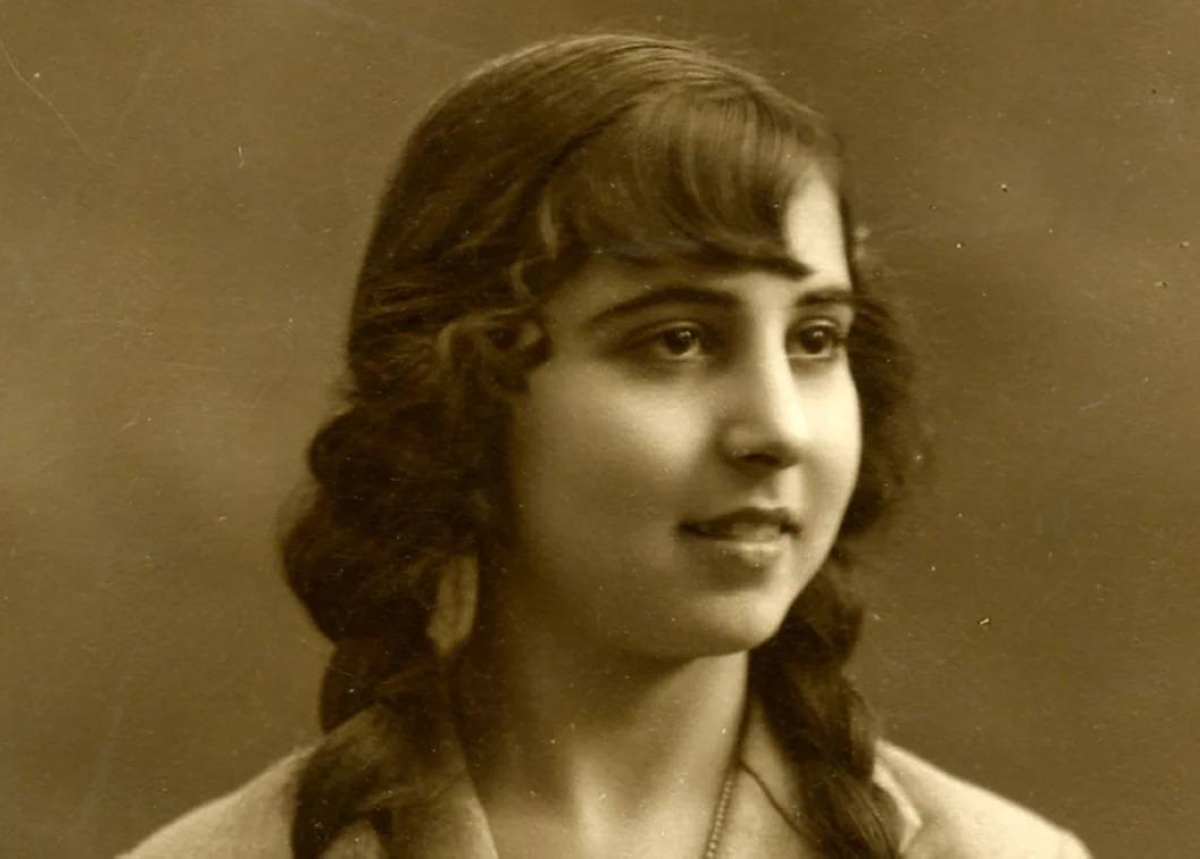
كشفت دراسة علمية جديدة نُشرت في مجلة «Cell Reports Medicine» عن تحليل الجينوم لماريا برانياس موريرا، المرأة الأمريكية المولد والإسبانية التي توفيت في أغسطس 2024 عن عمر 117 عاماً و168 يوماً، بعد أن أصبحت أكبر معمرة في العالم.
جينات وأسلوب حياة
الدراسة، التي أجراها فريق بقيادة الدكتور مانيل إستيلر من معهد أبحاث سرطان الدم خوسيب كاريراس في برشلونة، كشفت أن سر طول عمر برانياس يكمن في مزيج من جينات استثنائية وأسلوب حياة صحي.
وبحسب الدراسة، أخذ الباحثون عينات من دم برانياس ولعابها وبولها وبرازها قبل وفاتها، وقارنوا جينومها مع جينومات 75 امرأة إيبيرية أخرى، وخلصوا إلى أن نصف طول عمرها يُعزى إلى جيناتها الفريدة، التي حمتها من الأمراض المرتبطة بالتقدم في العمر مثل أمراض القلب وتراجع الإدراك، بينما ساهم أسلوب حياتها الصحي في النصف الآخر.
ماريا برانياس موريرا أكبر معمرة في العالم وفق موسوعة غينيس للأرقام القياسية.
وقال إستيلر لوسائل إعلام عالمية: «كانت سيدة محظوظة منذ البداية، وحصلت على ميزة إضافية من خلال حياتها».
تأثير الزبادي
وبحسب الدراسة، عاشت برانياس، التي وُلدت في سان فرانسيسكو عام 1907 واستقرت في كتالونيا بإسبانيا منذ عام 1915، في دار رعاية لمدة 22 عاماً، لم تدخن أو تتناول الكحول أبداً، وكانت تتبع نظاماً غذائياً متوسطياً غنياً بزيت الزيتون، مع تناول ثلاث حصص يومية من الزبادي، كما مارست المشي لمدة ساعة يومياً واستمرت في العمل حتى أصبح ذلك مستحيلاً. افترض الباحثون أن تناولها المنتظم للزبادي ساهم في الحفاظ على ميكروبيوم الأمعاء مشابهاً لشخص أصغر سناً، مما قلل من الالتهابات في جسمها.
وأوضحت البروفيسورة كلير ستيفز من كينغز كوليدج لندن، التي لم تشارك في الدراسة، أن حب برانياس للزبادي قد لا يكون السبب الوحيد لصحتها العامة، لكن ميكروبيومها يعكس «أنها كانت مضيفة ممتازة لهذه الميكروبات بفضل عوامل أخرى إيجابية في جسدها».
وأشادت ستيفز بمستوى التفاصيل في الدراسة، واصفة إياها بـ«الاستثنائية»، مشيرة إلى أنها الأولى التي تحلل آليات الشيخوخة بهذا العمق في حالة معمرة فائقة.
جينات حماية وآفاق مستقبلية
وحدد الباحثون جينات محددة لدى برانياس، بما في ذلك جين يعزز وظيفة المناعة والاحتفاظ بالإدراك، وآخر يحسن استقلاب الدهون، وثالث يرتبط بصحة الدماغ وأمراض القلب.
وأظهرت الدراسة أن «العمر المتقدم للغاية والصحة السيئة ليسا مرتبطين جوهرياً»، مما يشير إلى أن المرض في الشيخوخة ليس حتمياً ويمكن تغييره عبر تدخلات بيولوجية.
أكبر معمرة في العالم مع مؤلف الدراسة.
وحذرت ستيفز من تعميم نتائج دراسة فرد واحد، مشيرة إلى أن عملية الشيخوخة تختلف من شخص لآخر، لكنها أكدت أن تحليل برانياس يقدم رؤى قيمة.
وأضاف إستيلر أن تحديد الجينات والبروتينات المرتبطة بالشيخوخة الصحية قد يوجه تطوير أدوية تستهدف هذه العناصر، وقالت ستيفز: «هدفنا ليس بالضرورة أن نعيش جميعاً إلى 117 عاماً، بل تقليص فترة المرض والمعاناة إلى أدنى حد ممكن، وهذا ما بدا أن برانياس قد حققته».
توصيات الدراسة
وتدعو الدراسة إلى إجراء المزيد من الأبحاث لتكرار النتائج في معمرين فائقين آخرين، مع التركيز على الجمع بين الجينات وأنماط الحياة لتعزيز الشيخوخة الصحية.
وتُظهر قصة برانياس، التي كانت تُعرف بعبارة «أنا عجوز، عجوز جداً، لكنني لست غبية» في سيرتها على إكس، أن الجمع بين الحظ الجيني وأسلوب الحياة الصحي يمكن أن يطيل العمر بشكل استثنائي.
A new scientific study published in the journal "Cell Reports Medicine" revealed the genomic analysis of Maria Branyas Morera, the American-born and Spanish woman who passed away in August 2024 at the age of 117 years and 168 days, after becoming the world's oldest living person.
Genes and Lifestyle
The study, conducted by a team led by Dr. Manel Esteller from the Josep Carreras Leukaemia Research Institute in Barcelona, found that the secret to Branyas's longevity lies in a combination of exceptional genes and a healthy lifestyle.
According to the study, researchers collected samples of Branyas's blood, saliva, urine, and stool before her death, comparing her genome with those of 75 other Iberian women. They concluded that half of her longevity can be attributed to her unique genes, which protected her from age-related diseases such as heart disease and cognitive decline, while her healthy lifestyle contributed to the other half.
ماريا برانياس موريرا أكبر معمرة في العالم وفق موسوعة غينيس للأرقام القياسية.
Esteller told global media: "She was a lucky lady from the start, and she gained an extra advantage through her life."
The Impact of Yogurt
According to the study, Branyas, who was born in San Francisco in 1907 and settled in Catalonia, Spain, in 1915, lived in a nursing home for 22 years, never smoked or consumed alcohol, and followed a Mediterranean diet rich in olive oil, consuming three servings of yogurt daily. She also walked for an hour each day and continued to work until it became impossible. The researchers hypothesized that her regular yogurt consumption helped maintain her gut microbiome similar to that of a younger person, reducing inflammation in her body.
Professor Claire Steves from King's College London, who did not participate in the study, explained that Branyas's love for yogurt may not be the only reason for her overall health, but her microbiome reflects "that she was an excellent host for these microbes thanks to other positive factors in her body."
Steves praised the level of detail in the study, describing it as "exceptional," noting that it is the first to analyze the mechanisms of aging in such depth in the case of a supercentenarian.
Protective Genes and Future Prospects
The researchers identified specific genes in Branyas, including one that enhances immune function and cognitive retention, another that improves fat metabolism, and a third associated with brain health and heart disease.
The study showed that "advanced age and poor health are not inherently linked," suggesting that illness in aging is not inevitable and can be altered through biological interventions.
أكبر معمرة في العالم مع مؤلف الدراسة.
Steves warned against generalizing the results of a study of one individual, noting that the aging process varies from person to person, but she affirmed that Branyas's analysis provides valuable insights.
Esteller added that identifying the genes and proteins associated with healthy aging could guide the development of drugs targeting these elements, and Steves stated: "Our goal is not necessarily for all of us to live to 117 years, but to minimize the period of illness and suffering as much as possible, which seems to be what Branyas achieved."
Study Recommendations
The study calls for further research to replicate the findings in other supercentenarians, focusing on the combination of genes and lifestyles to promote healthy aging.
The story of Branyas, who was known for saying "I am old, very old, but I am not stupid" in her biography on X, shows that the combination of genetic luck and a healthy lifestyle can exceptionally extend life.