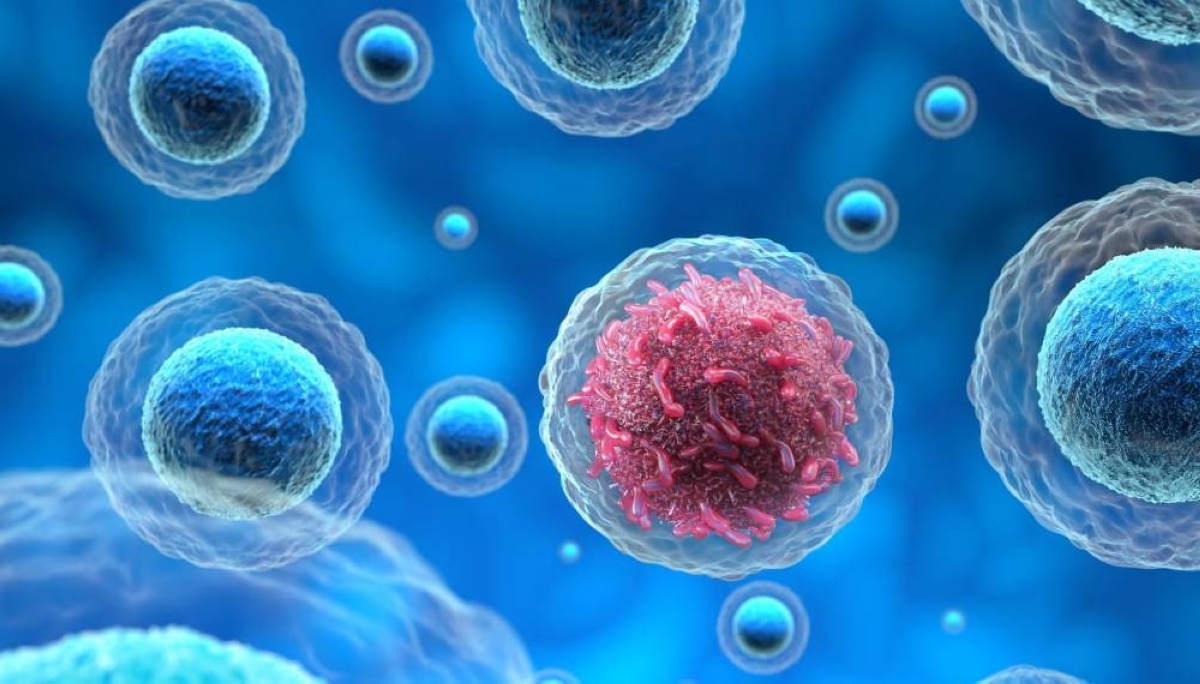
توقعت دراسة عملية حديثة ارتفاعاً كبيراً في حالات الإصابة بالسرطان عالمياً إلى 30.5 مليون بحلول عام 2050، بزيادة 61% عن 19 مليون حالة في 2024، بينما ستزيد الوفيات السنوية إلى 18.6 مليون، بارتفاع 75% عن 10.4 مليون في 2023.
ونشرت مجلة «لانسيت» الطبية، الدراسة التي أجرتها فرق «مؤتمري دراسة العبء العالمي للأمراض»، التي تضم أكثر من 2,000 باحث، إذ يُعزى هذا الارتفاع بشكل رئيسي إلى النمو السكاني والشيخوخة المتزايدة، ويُتوقع أن تحدث أكثر من نصف الحالات الجديدة وثلثي الوفيات في الدول ذات الدخل المنخفض والمتوسط، مما يضع ضغطاً هائلاً على أنظمة الرعاية الصحية في هذه الدول.
عوامل الوفاة بالسرطان
وتشير الدراسة إلى أن 42% من الوفيات بالسرطان (نحو 4.3 مليون في 2023) مرتبطة بعوامل خطر قابلة للتعديل، مثل التدخين (21% من الوفيات)، النظام الغذائي غير الصحي، ارتفاع مستويات السكر في الدم، الجنس غير الآمن، الإفراط في شرب الكحول، والتعرض للسموم البيئية.
وعلى الرغم من انخفاض معدلات الوفيات المعدلة حسب العمر عالمياً، إلا أن بعض الدول النامية تشهد ارتفاعاً في هذه المعدلات، مما يتطلب تدخلات عاجلة لتحقيق أهداف التنمية المستدامة للأمم المتحدة في تقليل الوفيات غير المعدية بنسبة 33% بحلول 2030.
في سياق بريطانيا، أكدت المدير التنفيذي لـ«بيحوث السرطان» ميشيل ميتشل أن الاتجاهات العالمية تنعكس محلياً، إذ يُسجل نحو 1,100 حالة جديدة يوميّاً.
أعراض خفيّة للإصابة بالسرطان
ويُؤكد الخبراء أهمية الوعي الذاتي بـ أعراض السرطان، إذ يمكن أن يؤدي الكشف المبكر إلى تحسين معدلات البقاء، ومع ذلك تكون العديد من هذه الأعراض خفيّة وغالباً ما تظهر في مراحل متأخرة، وفي هذا الإطار توصّلت الدراسة إلى 9 أعراض صعبة الكشف، وهي:
1- الإفراز الزائد للعرق (خصوصاً ليلاً): يُعتبر طبيعياً إذا كان بسبب الحرارة، لكنه إذا أدى إلى إغراق الفراش، قد يشير إلى ليمفوما أو لوكيميا، لذا يُنصح بزيارة الطبيب خصوصاً إذا كان مصحوباً بحمى أو فقدان وزن غير مبرر.
2 - الشعور بالإرهاق الشديد: قد يكون طبيعياً بسبب التوتر، لكنه إذا استمر أكثر من أسبوعين ولم يُخفف بالراحة، قد يدل على سرطانات الدم مثل اللوكيميا أو الليمفوما، إذ يعيق إنتاج خلايا الدم الحمراء، مما يؤدي إلى فقر الدم.
3 - الحاجة المتكررة إلى التبول: إذا لم يكن بسبب السوائل، وكان مصحوباً بألم أو دم في البول، قد يشير إلى سرطان المثانة.
4 - الحموضة أو عسر الهضم المتكرر: شائع بعد الوجبات الدسمة، لكنه إذا استمر، قد يدل على سرطان المعدة أو المريء.
5 - الانتفاخ المتكرر أو المستمر: طبيعي بعد الغازات، لكنه إذا كان شديداً مع فقدان وزن أو إمساك، قد يكون علامة على سرطان المبيض، وقد يؤدي إلى تورم البطن الواضح.
6 - تغييرات في البراز: مثل الإسهال المستمر أو الدم في البراز، قد تشير إلى سرطان القولون، ويُنصح بفحصها رغم الإحراج.
7 - صوت أجش أو مبحوح لا يتحسن: شائع بسبب البرد، لكنه إذا استمر أكثر من 3-4 أسابيع مع صعوبة في البلع، قد يكون أول علامة لسرطان الحنجرة.
8 - سعال مستمر أو يتفاقم: إذا لم يختفِ بعد 3 أسابيع، أو تغير، قد يشير إلى سرطان الرئة، خصوصاً مع ألم في الصدر أو فقدان شهية.
9 - فقدان الشهية أو التعب المستمر: غالباً ما يرتبط بسرطان الرئة أو الدم، ويُنصح بالفحص إذا استمر.
A recent practical study predicted a significant increase in global cancer cases to 30.5 million by 2050, a 61% increase from 19 million cases in 2024, while annual deaths will rise to 18.6 million, a 75% increase from 10.4 million in 2023.
The medical journal "Lancet" published the study conducted by teams from the "Global Burden of Disease Conference," which includes over 2,000 researchers. This increase is primarily attributed to population growth and an aging population, with more than half of new cases and two-thirds of deaths expected to occur in low- and middle-income countries, putting immense pressure on healthcare systems in these nations.
Factors of Cancer Mortality
The study indicates that 42% of cancer deaths (about 4.3 million in 2023) are linked to modifiable risk factors, such as smoking (21% of deaths), unhealthy diet, high blood sugar levels, unsafe sex, excessive alcohol consumption, and exposure to environmental toxins.
Despite a global decline in age-adjusted mortality rates, some developing countries are witnessing an increase in these rates, necessitating urgent interventions to achieve the United Nations Sustainable Development Goals of reducing non-communicable disease deaths by 33% by 2030.
In the context of Britain, Michelle Mitchell, the CEO of "Cancer Research," confirmed that global trends are reflected locally, with about 1,100 new cases recorded daily.
Subtle Symptoms of Cancer
Experts emphasize the importance of self-awareness regarding cancer symptoms, as early detection can improve survival rates. However, many of these symptoms are subtle and often appear in later stages. In this context, the study identified 9 hard-to-detect symptoms, which are:
1- Excessive sweating (especially at night): It is considered normal if due to heat, but if it soaks the bed, it may indicate lymphoma or leukemia. Therefore, it is advisable to visit a doctor, especially if accompanied by fever or unexplained weight loss.
2- Severe fatigue: It may be normal due to stress, but if it lasts more than two weeks and is not relieved by rest, it may indicate blood cancers such as leukemia or lymphoma, as it hinders red blood cell production, leading to anemia.
3- Frequent need to urinate: If not due to fluids and accompanied by pain or blood in the urine, it may indicate bladder cancer.
4- Frequent acidity or indigestion: Common after heavy meals, but if it persists, it may indicate stomach or esophageal cancer.
5- Frequent or persistent bloating: Normal after gas, but if severe with weight loss or constipation, it may be a sign of ovarian cancer and can lead to noticeable abdominal swelling.
6- Changes in stool: Such as persistent diarrhea or blood in the stool, may indicate colon cancer, and it is advisable to get it checked despite the embarrassment.
7- Hoarse or raspy voice that does not improve: Common due to a cold, but if it lasts more than 3-4 weeks with difficulty swallowing, it may be an early sign of laryngeal cancer.
8- Persistent or worsening cough: If it does not go away after 3 weeks or changes, it may indicate lung cancer, especially with chest pain or loss of appetite.
9- Loss of appetite or persistent fatigue: Often associated with lung or blood cancer, it is advisable to get checked if it persists.