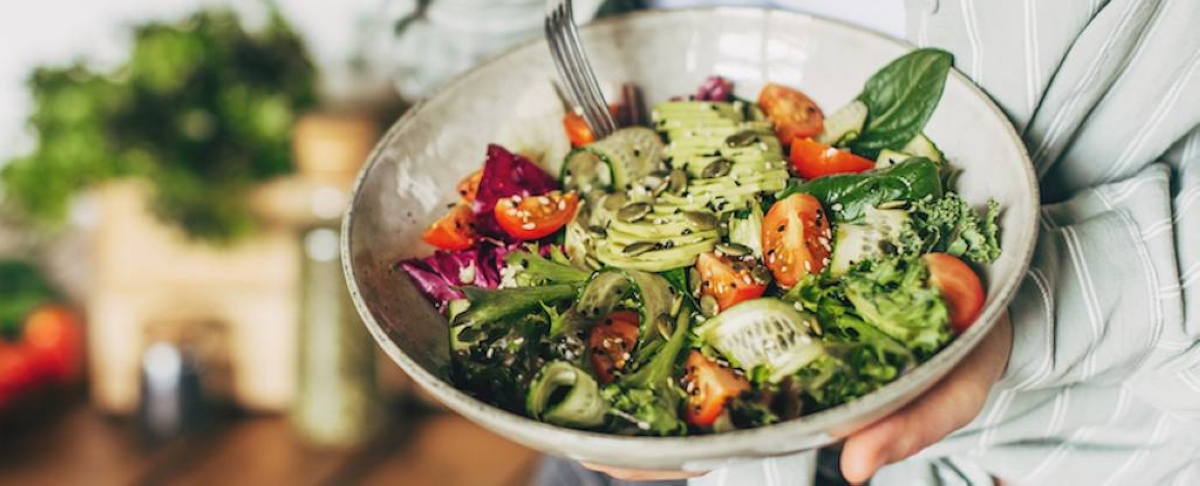
تشير دراسة حديثة إلى أن الأنظمة الغذائية النباتية، سواء النباتية الكاملة (الفيغان) أو الخضرية (الفيجيتاريان)، قد تقلل من مخاطر الإصابة ببعض أنواع السرطان، مثل سرطان المعدة والغدد الليمفاوية، إضافة إلى فوائدها المعروفة في تحسين صحة القلب والجهاز الهضمي والمناعة.
قاد الدراسة غاري فريزر، عالم الأوبئة في جامعة لوما ليندا بالولايات المتحدة، حيث قارن فريقه بيانات طبية لـ79468 فردا في الولايات المتحدة وكندا، وهؤلاء الأفراد كانوا خالين من السرطان في بداية الدراسة وتمت متابعتهم لتسجيل حالات الإصابة بالسرطان، وفقا لموقع «Scince aleart».
وكشفت النتائج أن الأشخاص الذين يتبعون نظاما غذائيا نباتيا كانوا أقل عرضة بنسبة 45% للإصابة بسرطان المعدة، و25% أقل عرضة للإصابة بسرطانات الغدد الليمفاوية، مع انخفاض عام بنسبة 12% في مخاطر الإصابة بجميع أنواع السرطان.
وأوضح فريزر: «العديد من غير النباتيين في هذه الدراسة كانوا يهتمون بصحتهم بشكل كبير، لذا من المدهش أن نجد هذه الفروق على الإطلاق».
وأشار إلى أن التأثيرات الأكثر وضوحا ظهرت في الجهاز الهضمي، الذي يتفاعل مباشرة مع الأطعمة ونواتجها خلال الهضم، وأضاف أن اللحوم المصنعة تُعتبر عامل خطر لسرطان المعدة والغدد الليمفاوية، بينما تُساهم الفواكه -خصوصا الحمضيات- والخضروات في الحماية من هذه الأمراض.
ولم تُظهر الدراسة أي حماية من الأنظمة النباتية ضد أنواع أخرى من السرطان، مثل سرطانات المسالك البولية أو الجهاز العصبي، وأشار فريزر إلى وجود دلائل أولية تشير إلى انخفاض طفيف في مخاطر سرطانات الرئة والمبيض والبنكرياس لدى النباتيين، لكنها لم تصل إلى مستوى الدلالة الإحصائية.
وتُعد هذه الدراسة واسعة النطاق وطويلة الأمد، لكنها تُظهر اتجاهات وليس أسبابا مباشرة، فقد يكون الأشخاص الذين يتبعون نظاما نباتيا أكثر ميلا لاتباع سلوكيات صحية أخرى، مثل ممارسة الرياضة، ما يساهم في تقليل مخاطر السرطان.
ويساعد تركيز الدراسة على أتباع طائفة السبتيين، الذين يولون أهمية كبيرة للصحة، في تقليل تأثير هذه العوامل الخارجية.
ويحذر الباحثون من أن الأنظمة النباتية قد تؤدي إلى نقص المغذيات إذا لم تُنفذ بعناية، خصوصا في المناطق التي تعاني من نقص الخيارات الغذائية الصحية.
A recent study indicates that plant-based diets, whether fully vegan or vegetarian, may reduce the risk of certain types of cancer, such as stomach cancer and lymphoma, in addition to their known benefits in improving heart health, digestive health, and immunity.
The study was led by Gary Fraser, an epidemiologist at Loma Linda University in the United States, where his team compared medical data for 79,468 individuals in the United States and Canada. These individuals were cancer-free at the start of the study and were followed to record cancer cases, according to the website “Science Alert.”
The results revealed that individuals following a plant-based diet were 45% less likely to develop stomach cancer and 25% less likely to develop lymphomas, with an overall 12% reduction in the risk of all types of cancer.
Fraser explained, “Many non-vegetarians in this study were very health-conscious, so it is surprising to find these differences at all.”
He noted that the most pronounced effects appeared in the digestive system, which interacts directly with foods and their byproducts during digestion. He added that processed meats are considered a risk factor for stomach cancer and lymphomas, while fruits—especially citrus—and vegetables contribute to protection against these diseases.
The study did not show any protective effects from plant-based diets against other types of cancer, such as urinary tract or nervous system cancers. Fraser pointed out that there is preliminary evidence suggesting a slight decrease in the risks of lung, ovarian, and pancreatic cancers among vegetarians, but it did not reach statistical significance.
This study is large-scale and long-term, but it shows trends rather than direct causes. Individuals following a plant-based diet may be more inclined to engage in other healthy behaviors, such as exercising, which contributes to reducing cancer risks.
The focus of the study on members of the Seventh-day Adventist community, who place great importance on health, helps to minimize the impact of these external factors.
Researchers warn that plant-based diets may lead to nutrient deficiencies if not implemented carefully, especially in areas that lack healthy food options.