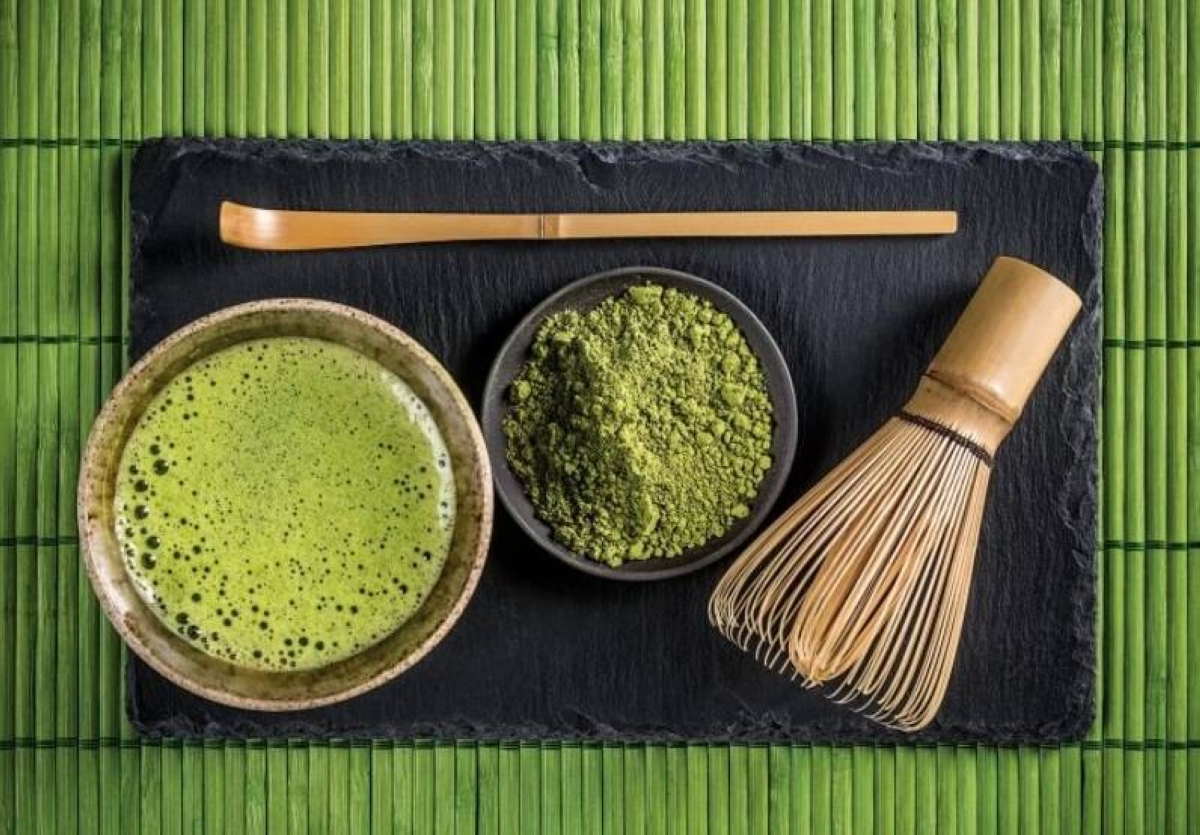
اكتسب مشروب الماتشا، وهو مسحوق الشاي الأخضر المطحون بدقة من أوراق الشاي المزروعة في الظل، شهرة عالمية واسعة بعد أن كان جزءاً من التقاليد اليابانية لقرون، كما يُشيد الملايين من عشاق الصحة والمؤثرين بنكهته الفريدة وفوائده الصحية المحتملة.
وفي تطور جديد، أكد الدكتور سوراب سيثي، طبيب الجهاز الهضمي المدرب في جامعة هارفارد والمقيم في سان فرانسيسكو، أن الماتشا قد يساعد في الوقاية من السرطان، بفضل غناه بمضادات الأكسدة التي تحمي الخلايا من التلف.
وعن فوائد الماتشا الصحية، قال إن الماتشا يحتوي على مركبات الكاتشين، وهي فلافونويدات تتمتع بخصائص مضادة للأكسدة تدعم صحة القلب، الوظائف الإدراكية، وتمتلك فوائد محتملة مضادة للسرطان.
وأظهرت دراسة أجرتها جامعة سالفورد في المملكة المتحدة أن الماتشا يمكن أن يثبط نمو خلايا السرطان الجذعية في الثدي، وقد يعزز فعالية العلاج الكيميائي بتقليل مقاومة الخلايا السرطانية.
كما أشارت دراسة يابانية عام 2023 إلى أن الماتشا يعزز الأداء العقلي ويقلل أعراض الاكتئاب، إذ أظهرت تجارب على فئران معزولة اجتماعياً تحسناً في الحالة المزاجية بفضل تحفيز إفراز الدوبامين، وهو هرمون السعادة.
وفي دراسة أجراها معهد الهندسة الحيوية والتكنولوجيا النانوية في سنغافورة عام 2014، تبين أن EGCG يُعد ناقلاً مثالياً للبروتينات المضادة للسرطان مثل Herceptin، كما أظهرت التجارب على الفئران أن مزيج EGCG وHerceptin كان أكثر فعالية في استهداف الأورام، وتقليل نموها، والبقاء لفترة أطول في الدم.
وعلى الرغم من الفوائد المحتملة، دعا بعض الخبراء إلى الحذر، إذ أشار الدكتور سونيل كاماث، طبيب الجهاز الهضمي في كليفلاند كلينك، إلى الحاجة إلى بيانات منشورة تدعم هذه الادعاءات، موضحاً أنها تبقى مجرد فرضيات تحتاج إلى دراسة دقيقة قبل التوصية باستهلاك الماتشا لهذه الأغراض.
كما أظهرت مراجعة لـ50 دراسة في قاعدة بيانات كوكرين عدم وجود نتائج قاطعة حول دور الشاي الأخضر في الوقاية من السرطان؛ بسبب تناقض الأدلة وضعف جودة الأبحاث. وأكد باحثو جامعة سالفورد ضرورة إجراء المزيد من الدراسات الجزيئية والتجارب السريرية لتأكيد هذه الفوائد.
The matcha drink, a finely ground powder of green tea leaves grown in the shade, has gained worldwide fame after being part of Japanese traditions for centuries. Millions of health enthusiasts and influencers praise its unique flavor and potential health benefits.
In a recent development, Dr. Surab Sethi, a Harvard-trained gastroenterologist based in San Francisco, confirmed that matcha may help in cancer prevention, thanks to its richness in antioxidants that protect cells from damage.
Regarding the health benefits of matcha, he stated that matcha contains catechin compounds, which are flavonoids with antioxidant properties that support heart health, cognitive functions, and have potential anti-cancer benefits.
A study conducted by the University of Salford in the UK showed that matcha can inhibit the growth of breast cancer stem cells and may enhance the effectiveness of chemotherapy by reducing the resistance of cancer cells.
A Japanese study in 2023 also indicated that matcha enhances mental performance and reduces symptoms of depression, as experiments on socially isolated mice showed an improvement in mood due to the stimulation of dopamine release, the happiness hormone.
In a study conducted by the Institute of Bioengineering and Nanotechnology in Singapore in 2014, it was found that EGCG is an ideal carrier for anti-cancer proteins such as Herceptin. Experiments on mice showed that the combination of EGCG and Herceptin was more effective in targeting tumors, reducing their growth, and remaining longer in the bloodstream.
Despite the potential benefits, some experts have called for caution. Dr. Sunil Kamath, a gastroenterologist at the Cleveland Clinic, pointed out the need for published data to support these claims, explaining that they remain mere hypotheses that require thorough study before recommending matcha consumption for these purposes.
A review of 50 studies in the Cochrane Database showed no conclusive results regarding the role of green tea in cancer prevention due to conflicting evidence and poor research quality. Researchers at the University of Salford emphasized the need for more molecular studies and clinical trials to confirm these benefits.