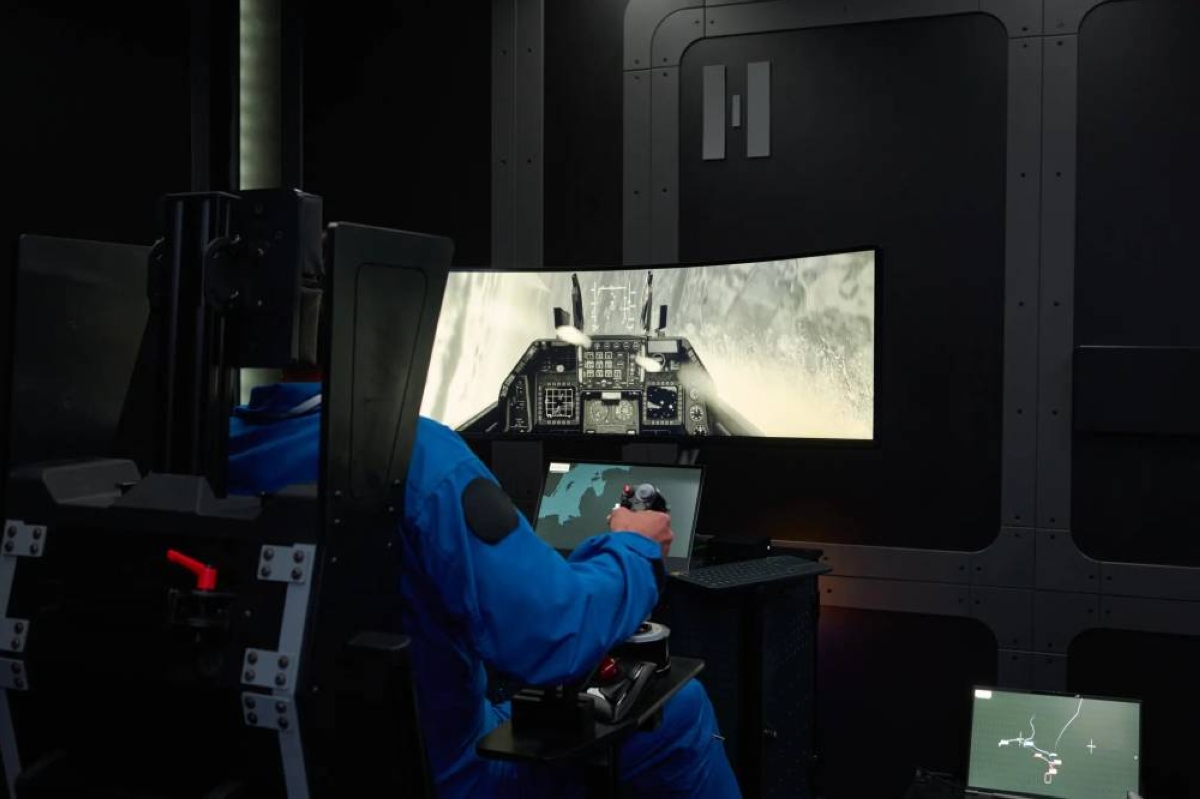
مع تصاعد الحرب الروسية - الأوكرانية، شهدت أوروبا تحولًا جذريًا في صناعة الدفاع، حيث بدأت شركات ناشئة مثل هلسينج الألمانية في تطوير طائرات بدون طيار وأنظمة دفاعية تعتمد على الذكاء الاصطناعي بسرعة غير مسبوقة. ولم تعد تعتمد هذه الشركات على التمويل الحكومي التقليدي فقط، بل أصبح المستثمرون الخاصون يعززون الابتكار في مجال التكنولوجيا العسكرية.
«هلسينج».. نموذج صناعة الدفاع
تأسست شركة هلسينج عام 2021، وتعتبر اليوم واحدة من أكثر الشركات الناشئة قيمة في أوروبا، وبلغت قيمتها السوقية 14 مليار دولار. وتخصصت في تطوير طائرات بدون طيار مزودة بأنظمة ذكاء اصطناعي متقدمة قادرة على تنفيذ مهمات مراقبة وأخرى هجومية متطورة.
التمويل الخاص يقود الابتكار
يمثل التمويل الخاص قوة دافعة أساسية في تسريع تطوير التكنولوجيا العسكرية، إذ ارتفعت استثمارات رأس المال المخاطر في مجال الدفاع إلى 31 مليار دولار عالميًا خلال العام الماضي، بزيادة 33% مقارنة بالعام السابق. ودفع هذا التحول شركات مثل هلسينج إلى تجاوز البيروقراطية الحكومية والتسريع في إنتاج نماذج أولية فعالة.
تقنيات متقدمة تغير قواعد اللعبة
تشمل التقنيات الحديثة المستخدمة في الدفاع الأوروبي:
- الطائرات بدون طيار المجهزة بالذكاء الاصطناعي
- السفن البحرية بدون طيار
- أنظمة اعتراض صواريخ منخفضة التكلفة
- جواسيس حيوانيين مثل الصراصير المزودة بكاميرات مراقبة
هذه التقنيات الجديدة تسمح بتكلفة أقل وقدرة أكبر على تنفيذ العمليات المعقدة مقارنة بالأنظمة العسكرية التقليدية.
أوكرانيا.. مختبر التقنيات الجديدة
أصبحت أوكرانيا مسرحًا لتجربة هذه التقنيات، حيث تساهم الطائرات بدون طيار في تدمير نحو 80% من الأهداف العسكرية. هذا الواقع جعل من الحرب فرصة حقيقية لتسريع تطوير الأنظمة الدفاعية والاختبار العملي لها.
تحديات وفرص
على الرغم من الفرص الكبيرة، تواجه شركات الدفاع الناشئة تحديات عدة مثل صعوبة التعامل مع أنظمة الشراء الحكومية الطويلة والمعقدة، ومخاطر تضخم الصناعات العسكرية الخاصة، إلا أن السرعة والابتكار أصبحتا سلاحًا رئيسيًا في حماية الدول الحديثة.
With the escalation of the Russian-Ukrainian war, Europe has witnessed a radical transformation in the defense industry, as startups like the German company Helsing have begun to rapidly develop drones and defense systems based on artificial intelligence at an unprecedented pace. These companies are no longer solely reliant on traditional government funding; private investors are now enhancing innovation in military technology.
“Helsing”... A Model for the Defense Industry
Founded in 2021, Helsing is now considered one of the most valuable startups in Europe, with a market value of $14 billion. It specializes in developing drones equipped with advanced artificial intelligence systems capable of executing sophisticated surveillance and offensive missions.
Private Funding Drives Innovation
Private funding represents a key driving force in accelerating the development of military technology, as venture capital investments in the defense sector rose to $31 billion globally last year, an increase of 33% compared to the previous year. This shift has pushed companies like Helsing to bypass government bureaucracy and accelerate the production of effective prototypes.
Advanced Technologies Changing the Game
The modern technologies used in European defense include:
- Drones equipped with artificial intelligence
- Unmanned naval vessels
- Low-cost missile interception systems
- Animal spies such as cockroaches equipped with surveillance cameras
These new technologies allow for lower costs and greater capability in executing complex operations compared to traditional military systems.
Ukraine... A Laboratory for New Technologies
Ukraine has become a testing ground for these technologies, as drones contribute to the destruction of about 80% of military targets. This reality has turned the war into a genuine opportunity to accelerate the development of defense systems and their practical testing.
Challenges and Opportunities
Despite the significant opportunities, emerging defense companies face several challenges, such as the difficulty of dealing with lengthy and complex government procurement systems and the risks of the military-industrial complex. However, speed and innovation have become key weapons in protecting modern nations.