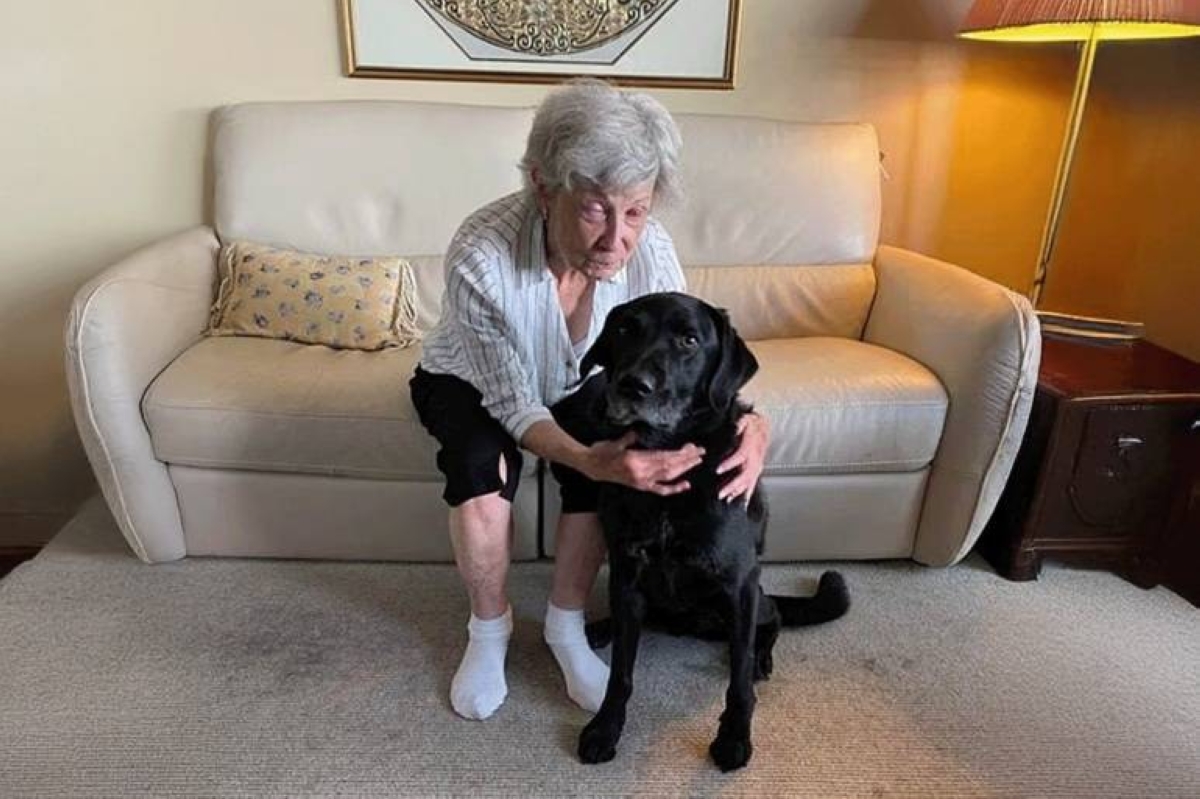
تمكنت جايل لين (75 عاماً)، من فيكتوريا بكندا، من رؤية زوجها للمرة الأولى منذ فقدت بصرها قبل 10 سنوات بسبب اضطراب مناعي تسبب بتلف قرنيتيها.
العملية المعقدة، المعروفة باسم زراعة قرنية عظمية سنية (Osteo-odonto-keratoprosthesis)، تضمنت استخدام سنّ من جايل مع قرنية اصطناعية وزراعتها في عينها بعد تحضيرها بدقة. وبعد أسابيع، استعادت جايل القدرة على التمييز بين الضوء والظلام ورؤية الألوان والحركة تدريجياً، لتستمتع مجدداً بمظاهر الطبيعة مثل الأشجار والزهور والعشب.
يتمثل سر نجاح العملية في دمج السن مع القرنية الاصطناعية وزراعتها أولاً في الخد لتكوين الأوعية الدموية والنسيج الضام، ما يضمن عدم رفض الجسم للقرنية لاحقاً. وتعد هذه التقنية الخيار الأخير للمرضى الذين تعذر عليهم استبدال القرنية بقرنية متبرع متوفى، وقد طورت قبل 40 عاماً في إيطاليا.
وقال الجراح الذي أجرى العملية في كندا لأول مرة الدكتور جريج مولوني: «السن يوفر هيكلاً قوياً لتثبيت القرنية الاصطناعية وضمان نجاحها».
Jail Lynn (75 years old), from Victoria, Canada, was able to see her husband for the first time since losing her sight 10 years ago due to an autoimmune disorder that caused damage to her corneas.
The complex procedure, known as Osteo-odonto-keratoprosthesis, involved using a tooth from Jail along with an artificial cornea and implanting it in her eye after careful preparation. After weeks, Jail regained the ability to distinguish between light and dark and gradually saw colors and movement, allowing her to once again enjoy the beauty of nature, such as trees, flowers, and grass.
The secret to the success of the procedure lies in integrating the tooth with the artificial cornea and initially implanting it in the cheek to form blood vessels and connective tissue, ensuring that the body does not reject the cornea later. This technique is the last option for patients who cannot replace their cornea with that of a deceased donor and was developed 40 years ago in Italy.
Dr. Greg Moloney, the surgeon who performed the procedure in Canada for the first time, said: “The tooth provides a strong structure to secure the artificial cornea and ensure its success.”