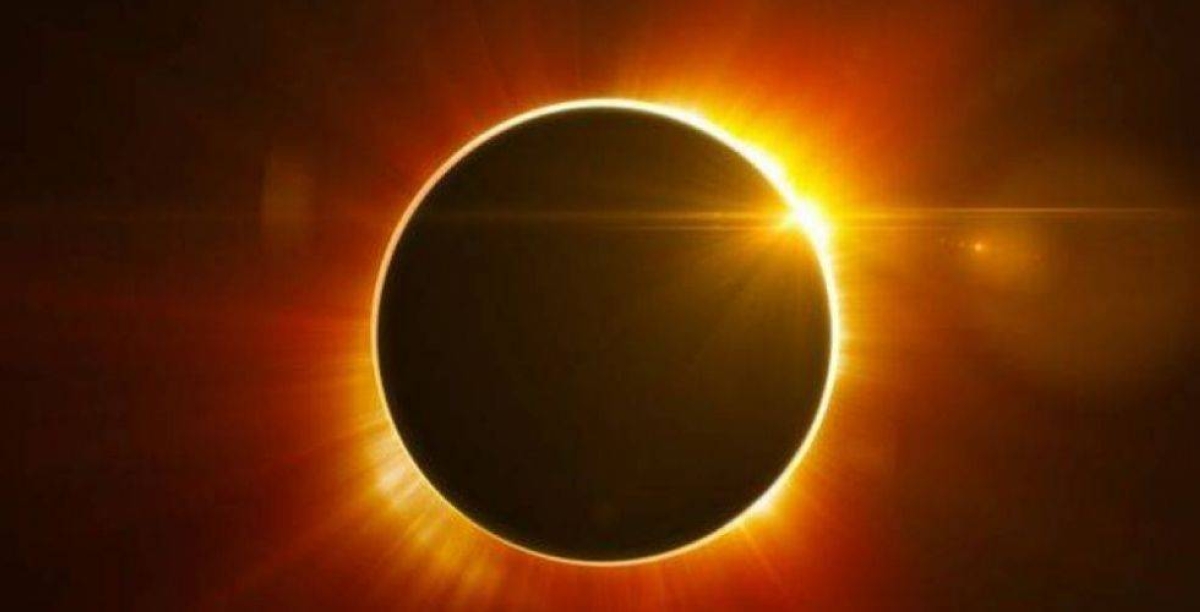
يترقب العالم ظاهرة فلكية استثنائية تُعد الأبرز في القرن الحادي والعشرين، في الثاني من أغسطس 2027، حيث يُطلق عليها «كسوف القرن»، وهو كسوف شمسي كلي سيحول النهار إلى ظلام تام لمدة 6 دقائق و23 ثانية في بعض المناطق.
ومن المتوقع أن يغطي هذا الحدث النادر شريطاً عرضه نحو 260 كيلومترا، وطوله يتجاوز 15 ألف كيلومتر، سيعبر 11 دولة ومنطقة، منها 9 دول عربية، ليمنح ملايين البشر فرصة مشاهدة مشهد كوني يحبس الأنفاس.
ويبدأ مسار الكسوف الكلي من المحيط الأطلسي، مروراً بمضيق جبل طارق، ثم يعبر جنوب إسبانيا قبل أن يدخل شمال أفريقيا، ليشمل 9 دول عربية (المغرب، الجزائر، تونس، ليبيا، مصر، السودان، المملكة العربية السعودية، اليمن، والصومال)، إضافة إلى جبل طارق (التابع للمملكة المتحدة) وجنوب إسبانيا.
وسيظهر الكسوف جزئياً في مناطق أخرى مثل جنوب إيطاليا وجزيرة لامبيدوزا، لكن الظلام الكامل سيقتصر على مسار الشريط الضيق، وتُعد مدة الكسوف استثنائية، حيث ستتجاوز 6 دقائق، وهي ضعف مدة معظم الكسوفات الكلية التي لا تتجاوز عادةً 3 دقائق، ويُعزى ذلك إلى عوامل فلكية، منها قرب القمر من الأرض (نقطة الحضيض)، ما يجعل قرصه الظاهري أكبر من الشمس، وتزامن مسار الكسوف مع خط الاستواء، حيث يتحرك ظل القمر ببطء أكبر عبر سطح الأرض.
وتُعد مدينة الأقصر في مصر واحدة من أفضل المواقع عالمياً لمشاهدة الكسوف، حيث سيستمر الظلام الكلي لأكثر من 6 دقائق، ما يجعلها وجهة مفضلة لعلماء الفلك والسياح، وفي ليبيا، ستشهد بنغازي ظلاماً دامساً لنحو 5 دقائق، بينما ستتراوح المدة في مدن إسبانية مثل قادس وملقة بين 4 و5 دقائق، أما في المملكة العربية السعودية فسيمر الكسوف فوق جدة ومكة المكرمة، ما يوفر فرصة مشاهدة واضحة للسكان والزوار.
ويعد هذا الكسوف الأطول منذ عام 1991، وفرصة نادرة للدراسات العلمية، حيث يتيح للباحثين رصد الغلاف الجوي الشمسي (الهالة) وإجراء تجارب فلكية، كما يجذب الحدث ملايين السياح، ما يعزز الاقتصادات المحلية في الدول الواقعة على المسار، وبدأت المراصد الفلكية في الدول العربية، مثل المعهد القومي للبحوث الفلكية في مصر، استعداداتها لتوفير خرائط تفصيلية وإرشادات للرصد الآمن باستخدام نظارات خاصة أو تقنيات غير مباشرة لتجنب إصابات العين.
وتحدث الكسوفات الشمسية عندما يمر القمر بين الأرض والشمس، حاجباً ضوء الشمس جزئياً أو كلياً، أما الكسوف الكلي فيحدث فقط عندما يكون القمر في نقطة قريبة من الأرض، ويصطف مع الشمس والأرض بدقة، وخلال القرن الحادي والعشرين من المتوقع حدوث 224 كسوفاً شمسياً، منها 68 كسوفاً كلياً، لكن كسوف 2027 يبرز بمدته الطويلة ومساره الواسع الذي يغطي مناطق مكتظة بالسكان.
The world is anticipating an extraordinary astronomical phenomenon considered the most significant of the 21st century, on August 2, 2027, known as the "Eclipse of the Century." This will be a total solar eclipse that will turn day into complete darkness for 6 minutes and 23 seconds in some areas.
This rare event is expected to cover a strip approximately 260 kilometers wide and over 15,000 kilometers long, crossing 11 countries and regions, including 9 Arab countries, giving millions of people the chance to witness a breathtaking cosmic scene.
The path of the total eclipse begins in the Atlantic Ocean, passing through the Strait of Gibraltar, then crossing southern Spain before entering North Africa, encompassing 9 Arab countries (Morocco, Algeria, Tunisia, Libya, Egypt, Sudan, Saudi Arabia, Yemen, and Somalia), in addition to Gibraltar (part of the United Kingdom) and southern Spain.
The eclipse will appear partially in other areas such as southern Italy and the island of Lampedusa, but complete darkness will be limited to the narrow path. The duration of the eclipse is exceptional, exceeding 6 minutes, which is double the duration of most total eclipses that usually do not exceed 3 minutes. This is attributed to astronomical factors, including the moon's proximity to Earth (at perigee), making its apparent disk larger than the sun, and the alignment of the eclipse path with the equator, where the moon's shadow moves more slowly across the Earth's surface.
The city of Luxor in Egypt is considered one of the best locations globally to view the eclipse, where total darkness will last for more than 6 minutes, making it a preferred destination for astronomers and tourists. In Libya, Benghazi will experience complete darkness for about 5 minutes, while the duration in Spanish cities like Cadiz and Malaga will range between 4 and 5 minutes. In Saudi Arabia, the eclipse will pass over Jeddah and Mecca, providing a clear viewing opportunity for residents and visitors.
This eclipse is the longest since 1991 and a rare opportunity for scientific studies, allowing researchers to observe the solar atmosphere (corona) and conduct astronomical experiments. The event is also expected to attract millions of tourists, boosting local economies in the countries along the path. Astronomical observatories in Arab countries, such as the National Institute for Astronomical Research in Egypt, have begun preparations to provide detailed maps and guidelines for safe observation using special glasses or indirect techniques to avoid eye injuries.
Solar eclipses occur when the moon passes between the Earth and the sun, partially or completely blocking sunlight. A total eclipse happens only when the moon is at a point close to the Earth and aligns precisely with the sun and the Earth. During the 21st century, 224 solar eclipses are expected, including 68 total eclipses, but the 2027 eclipse stands out due to its long duration and wide path covering densely populated areas.