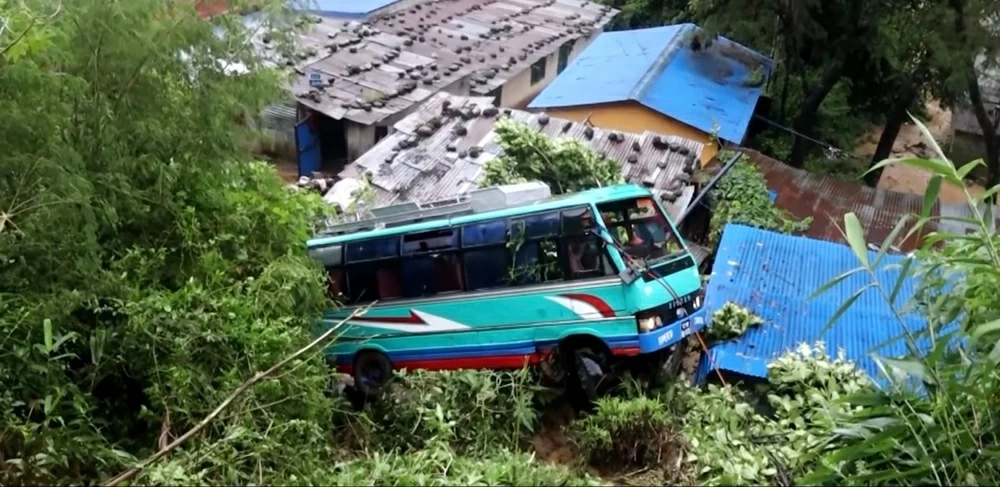
ارتفعت حصيلة ضحايا الفيضانات المدمرة التي ضربت مناطق واسعة في نيبال إلى 1454 قتيلًا، فيما تواصل السلطات عمليات البحث عن آلاف المفقودين والتعرف على جثامين الضحايا.
وقالت الشرطة النيبالية إن الحصيلة، وفق أحدث البيانات حتى الساعة 11 صباحًا بالتوقيت المحلي اليوم (الإثنين)، توزعت على عدد من المناطق المتضررة، بينها 236 وفاة في راسوا، و204 في نواكوت، و72 في دهادينج، و369 في تشيتوان.
كما سجلت السلطات 79 وفاة في جورخا، و38 في تاناهون، و232 في نوالباراسي الشرقية، و222 في نوالباراسي الغربية، إضافة إلى حالتي وفاة لأشخاص كانوا يتلقون العلاج في العاصمة كاتماندو.
وتأتي هذه الحصيلة بعد أسابيع من الفيضانات المفاجئة التي اجتاحت مناطق على امتداد نهر بوتي كوشي في 26 أغسطس، قبل أن تمتد آثارها إلى مناطق أخرى عبر الأنهار والممرات المائية، مخلفة دمارًا واسعًا في المنازل والطرق والجسور ومنشآت الطاقة الكهرومائية.
وأوضحت السلطات أنها تمكنت حتى الآن من التعامل مع جثامين 1334 شخصًا، فيما جرى جمع 3391 عينة من الحمض النووي من المتوفين وذويهم، في محاولة لتسريع عمليات تحديد هوية الضحايا الذين لا تزال هويات عدد كبير منهم مجهولة.
وبحسب البيانات، لم يتم التعرف على أصحاب 1421 جثمانًا حتى الآن، فيما أدرجت الشرطة تفاصيل هذه الجثامين على موقعها الرسمي، في إطار جهود مطابقة بيانات الضحايا مع بلاغات المفقودين وإتاحة المعلومات أمام الأسر التي تبحث عن ذويها.
وتكشف أرقام المفقودين عن حجم الكارثة، إذ لا تزال السلطات تبحث عن 4718 شخصًا أُبلغ عن فقدانهم، بينما يقيم 1283 شخصًا في مراكز إيواء مؤقتة في المناطق المتضررة.
وحشدت الشرطة النيبالية 7975 من أفرادها للمشاركة في عمليات الإنقاذ والبحث عن المفقودين وتوزيع المساعدات والتعامل مع جثامين الضحايا، فيما تستمر عمليات التحقق من قوائم المفقودين وتحديث أعداد الضحايا بصورة متواصلة.
وتشير البيانات الميدانية إلى أن أعداد الضحايا والمفقودين ظلت عرضة للتعديل مع استمرار انتشال الجثامين ومراجعة السجلات، خصوصًا أن مياه الفيضانات جرفت بعض الضحايا لمسافات بعيدة عن المناطق التي كانوا يقيمون فيها.
وتواصل السلطات النيبالية، بالتعاون مع أجهزة الأمن والجيش والجهات الإنسانية، عمليات البحث والإغاثة، إلى جانب العمل على إعادة فتح الطرق واستعادة خدمات الاتصالات والكهرباء وإصلاح البنية التحتية التي تعرضت لأضرار واسعة جراء الكارثة.
The death toll from the devastating floods that struck wide areas in Nepal has risen to 1,454, while authorities continue search operations for thousands of missing persons and the identification of victims' bodies.
The Nepalese police stated that the toll, according to the latest data as of 11 AM local time today (Monday), is distributed across several affected areas, including 236 deaths in Rasuwa, 204 in Nuwakot, 72 in Dhading, and 369 in Chitwan.
Authorities also recorded 79 deaths in Gorkha, 38 in Tanahun, 232 in Eastern Nawalparasi, and 222 in Western Nawalparasi, in addition to two deaths of individuals who were receiving treatment in the capital, Kathmandu.
This toll comes after weeks of sudden flooding that swept areas along the Bhotekoshi River on August 26, before its effects extended to other areas through rivers and waterways, leaving widespread destruction of homes, roads, bridges, and hydropower facilities.
The authorities clarified that they have so far managed to handle the bodies of 1,334 individuals, while 3,391 DNA samples have been collected from the deceased and their relatives, in an attempt to expedite the identification processes for victims, many of whom remain unidentified.
According to the data, the identities of 1,421 bodies have not yet been recognized, while the police have listed the details of these bodies on their official website, as part of efforts to match victim data with missing persons reports and provide information to families searching for their loved ones.
The numbers of missing persons reveal the scale of the disaster, as authorities are still searching for 4,718 individuals reported missing, while 1,283 people are residing in temporary shelters in the affected areas.
The Nepalese police have mobilized 7,975 of their personnel to participate in rescue operations, search for the missing, distribute aid, and handle the bodies of the victims, while verification of missing persons lists and updates on the number of victims continue on an ongoing basis.
Field data indicates that the numbers of victims and missing persons remain subject to adjustment as bodies are recovered and records are reviewed, especially since floodwaters have swept some victims far from the areas where they resided.
The Nepalese authorities, in cooperation with security forces, the army, and humanitarian organizations, continue search and relief operations, alongside efforts to reopen roads, restore communication and electricity services, and repair the infrastructure that suffered extensive damage due to the disaster.