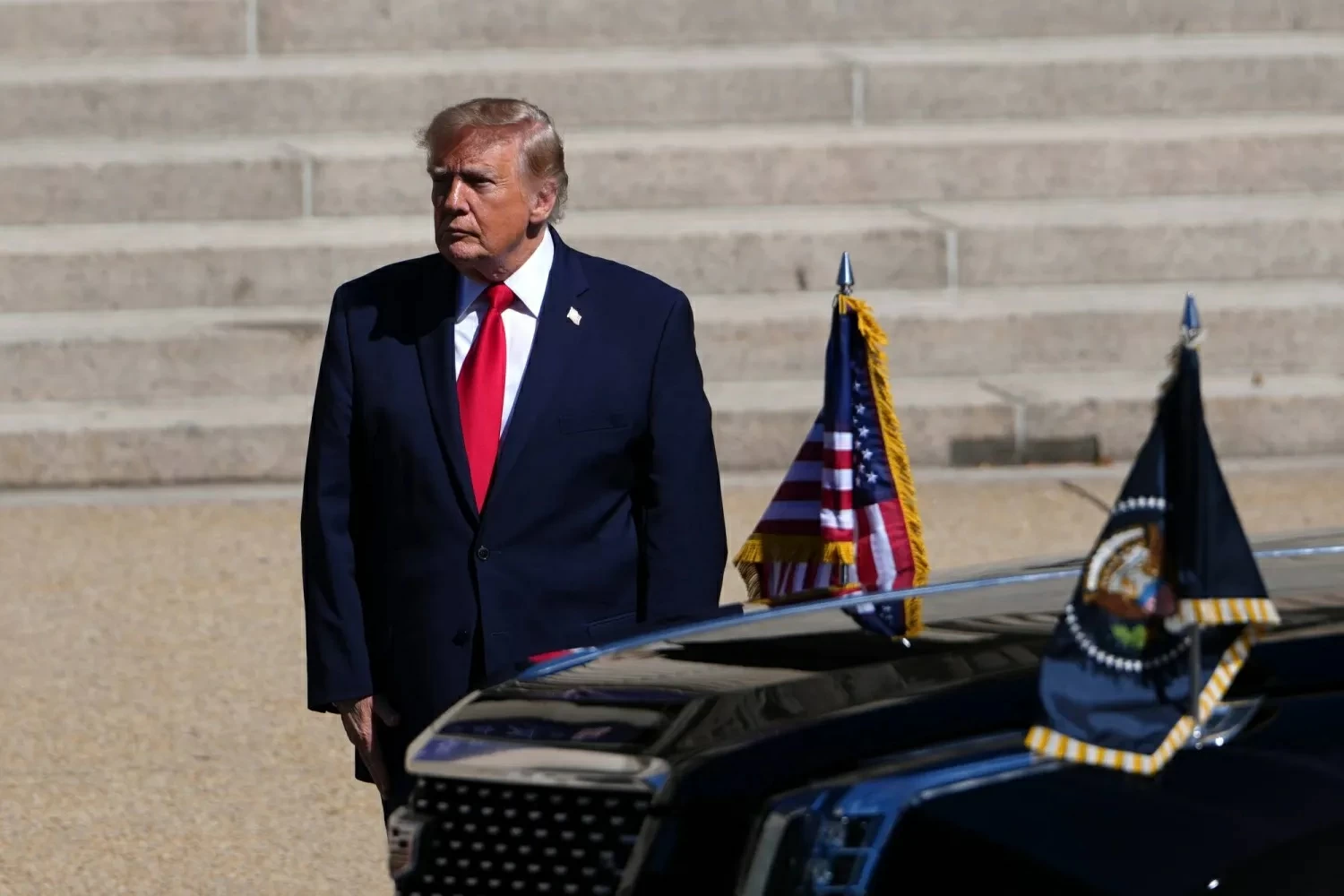
بعد يوم من رفضه مقترحاً إيرانياً لإنهاء الحرب، توقع الرئيس الأمريكي دونالد ترمب، (الأحد)، أن يجري المفاوضون الأمريكيون مزيداً من المحادثات مع إيران هذا الأسبوع.
ونقل موقع «أكسيوس» عن ترمب قوله: «أتوقع مزيداً من المحادثات مع إيران هذا الأسبوع، هم يريدون التوصل إلى اتفاق، لكنه ليس الاتفاق الذي أريد إبرامه»، وفي رده على سؤال عما إذا كان يفكر في استئناف الضربات ضد إيران، قال ترمب: «أنا أفكر في ذلك دائماً».
وأشار إلى أن الجيش الأمريكي يسهل مرور كميات كبيرة من النفط عبر مضيق هرمز، مبيناً أن أكبر كمية من النفط عبرت المضيق خلال عطلة نهاية الأسبوع منذ بدء الحرب.
وأضاف: «أكثر من 20 مليون برميل عبرت مضيق هرمز».
من جانبه، قال وزير الخزانة الأمريكي سكوت بيسنت لـ«فوكس نيوز»: «سنتجاوز هذا الصراع مع إيران، وأسعار النفط ستنخفض كثيراً بعد انتهائه»، موضحاً أن الصين خفضت بشكل كبير مساعداتها لإيران.
ولفت إلى أنه لم يتبقَّ سوى 15 مليون برميل من النفط الإيراني في البحر، وبعدها لن يبقى لدى إيران ما تتاجر به أو تقايضه، موضحاً أن إيران ستفقد على الأرجح خلال أسبوعين قدرتها على مبادلة النفط بالسلع.
وشدد بالقول: «قد تُصدّر إيران خلال الأسبوعين القادمين آخر شحنات النفط إلى الصين»، مضيفاً: «أعتقد أن إيران تشعر بالضغط، ولهذا تريد التوصل إلى اتفاق».
وأكد رفض أمريكا السماح بخروج النفط الإيراني أو تصديره، كاشفاً عن سماح الولايات المتحدة بخروج أكثر من مليار برميل من النفط، مقابل صفر برميل لإيران.
وأوضح أن بلاده دمرت بشكل كبير جزءاً كبيراً من قدرات إيران الصاروخية وطائراتها المسيّرة، و85% إلى 90% من مصانع إيران.
في المقابل، تساءل وزير الخارجية الإيراني عباس عراقجي، في حديثه لشبكة «إن بي سي»، عن أسباب رفض الولايات المتحدة المقترح الإيراني، الذي اعتبر أنه يمكن أن يعيد الحياة إلى طبيعتها في الخليج ومضيق هرمز.
ورأى أن الخطوات المطلوبة ليست جديدة، موضحاً أن بلاده تريد وضع حد للحرب والإفراج عن الأموال والأصول المجمدة، مبدياً استعداده للتفاوض.
One day after rejecting an Iranian proposal to end the war, U.S. President Donald Trump predicted on Sunday that American negotiators would hold further talks with Iran this week.
Axios reported Trump as saying, "I expect more talks with Iran this week; they want to reach an agreement, but it’s not the agreement I want to make." In response to a question about whether he was considering resuming strikes against Iran, Trump said, "I’m always thinking about that."
He noted that the U.S. military is facilitating the passage of large quantities of oil through the Strait of Hormuz, indicating that the largest amount of oil crossed the strait over the weekend since the war began.
He added, "More than 20 million barrels crossed the Strait of Hormuz."
For his part, U.S. Treasury Secretary Scott Pruitt told Fox News, "We will get through this conflict with Iran, and oil prices will drop significantly after it ends," explaining that China has significantly reduced its aid to Iran.
He pointed out that only 15 million barrels of Iranian oil remain at sea, and after that, Iran will have nothing to trade or barter with, explaining that Iran will likely lose its ability to exchange oil for goods within two weeks.
He emphasized, saying, "Iran may export its last shipments of oil to China in the coming two weeks," adding, "I believe Iran feels the pressure, and that’s why they want to reach an agreement."
He confirmed the U.S. refusal to allow Iranian oil to exit or be exported, revealing that the United States has allowed the exit of more than one billion barrels of oil, compared to zero barrels for Iran.
He explained that his country has significantly destroyed a large part of Iran's missile capabilities and drones, and 85% to 90% of Iran's factories.
In contrast, Iranian Foreign Minister Abbas Araghchi, in his remarks to NBC, questioned the reasons behind the U.S. rejection of the Iranian proposal, which he considered could restore normalcy in the Gulf and the Strait of Hormuz.
He believed that the required steps are not new, explaining that his country wants to put an end to the war and release frozen funds and assets, expressing his readiness to negotiate.