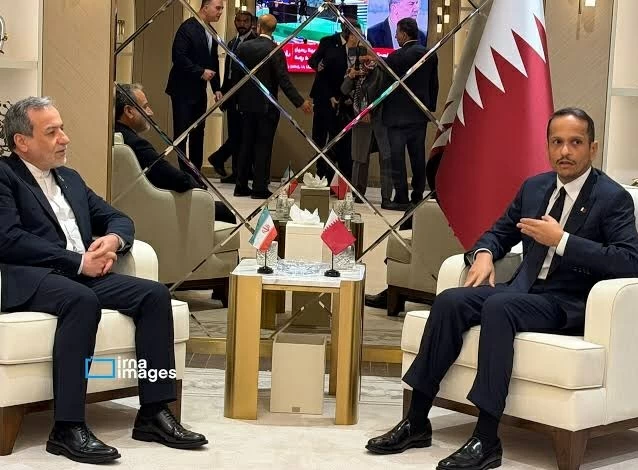
تمسكت إيران بموقفها الرافض لتخفيف شروطها بشأن إعادة فتح مضيق هرمز، مؤكدة انتظار رد أمريكي رسمي ومكتوب عبر الوسطاء، بالتزامن مع إعلان القوات المسلحة الإيرانية رفع جاهزيتها لمواجهة أي هجوم أمريكي جديد.
وقال وزير الخارجية الإيراني عباس عراقجي، اليوم (الأحد)، إن طهران لم تتلق حتى الآن رداً أمريكياً رسمياً عبر الوسطاء بشأن المقترح المقدم من إيران، مشيراً إلى أن الرئيس الأمريكي دونالد ترمب يطلق تصريحات متناقضة، وأن بلاده تنتظر رداً مكتوباً.
وأكد عراقجي أن الحل الدبلوماسي يمثل المخرج الوحيد من الطريق المسدود، مشدداً على تمسك بلاده بشروطها، وأن أي خطوة نحو إعادة فتح مضيق هرمز ستكون مشروطة باستيفاء تلك الشروط. ولا يزال عراقجي في نيويورك، رغم رفض ترمب أمس الخطة الإيرانية ووصفها بأنها «غير مقبولة».
وفي المقابل، أعلن وزير الخزانة الأمريكي سكوت بيسنت إرسال مبعوثين إلى دول حول العالم لحثها على اتخاذ إجراءات ضد إيران، في إطار حملة الضغوط الاقتصادية التي تقودها واشنطن، مشيداً بالقيود الجديدة التي تستهدف شركات الطيران والبنوك الإيرانية.
وكتب بيسنت عبر منصة «إكس» أن فرقاً أُرسلت إلى مختلف أنحاء العالم للتواصل مع الدول ومطالبتها باتخاذ إجراءات ضد النظام الإيراني، مشيراً إلى أن هذه الجهود «تحقق نتائجها». وقال إن تركيا وسلطنة عُمان أوقفتا استقبال رحلات شركة «ماهان إير» الإيرانية، فيما أوقفت الإمارات جميع رحلات شركات الطيران الإيرانية.
وفي السياق العسكري، قال المتحدث باسم الجيش الإيراني محمد أكرمي نيا إن القوات المسلحة الإيرانية مستعدة بالكامل لأي هجمات أمريكية جديدة، محذراً من أن الولايات المتحدة ستتكبد أضراراً أكبر في حال شنت هجوماً آخر على إيران.
وقال القائد العام للقوات المسلحة الإيرانية أمير حاتمي إن الحرب وصلت إلى مرحلة حرجة وحاسمة، مؤكداً أن طهران لن تقبل وضعاً يمنعها من التجارة، بينما تستخدم قوى أجنبية الممرات المائية الإستراتيجية في المنطقة.
وفي تطور آخر، زعمت البحرية التابعة للحرس الثوري الإيراني أنها احتجزت غواصة أمريكية مسيرة من طراز «ريموس 600» في مضيق هرمز، وقالت إنها كانت تنفذ مهام تجسس. وذكر الحرس الثوري أن عملية الاعتراض تمت باستخدام قدرات استخباراتية وتقنيات للحرب الإلكترونية، وأن الغواصة تخضع للفحص بهدف استعادة البيانات المخزنة فيها، فيما لم تؤكد القوات المركزية الأمريكية أو تنفِ هذه الأنباء حتى الآن.
Iran has maintained its position rejecting any easing of its conditions regarding the reopening of the Strait of Hormuz, confirming that it is awaiting an official and written American response through intermediaries, coinciding with the announcement by the Iranian armed forces of raising their readiness to confront any new American attack.
Iranian Foreign Minister Abbas Araghchi stated today (Sunday) that Tehran has not yet received an official American response through intermediaries regarding the proposal submitted by Iran, pointing out that U.S. President Donald Trump is making contradictory statements, and that his country is waiting for a written response.
Araghchi confirmed that a diplomatic solution represents the only way out of the deadlock, emphasizing his country's adherence to its conditions, and that any step towards reopening the Strait of Hormuz will be conditional on meeting those conditions. Araghchi remains in New York, despite Trump's rejection yesterday of the Iranian plan, describing it as "unacceptable."
In contrast, U.S. Treasury Secretary Scott Pison announced the sending of envoys to countries around the world to urge them to take action against Iran, as part of the economic pressure campaign led by Washington, praising the new restrictions targeting Iranian airlines and banks.
Pison wrote on the platform "X" that teams have been sent to various parts of the world to communicate with countries and demand that they take action against the Iranian regime, noting that these efforts "are yielding results." He mentioned that Turkey and Oman have stopped receiving flights from the Iranian airline "Mahan Air," while the UAE has halted all flights from Iranian airlines.
In the military context, Iranian army spokesman Mohammad Akrami Nia stated that the Iranian armed forces are fully prepared for any new American attacks, warning that the United States would incur greater damage if it launched another attack on Iran.
The commander of the Iranian armed forces, Amir Hatami, stated that the war has reached a critical and decisive stage, emphasizing that Tehran will not accept a situation that prevents it from trading while foreign powers use the strategic waterways in the region.
In another development, the naval forces of the Iranian Revolutionary Guard claimed to have captured an American unmanned submarine of the "Remus 600" type in the Strait of Hormuz, stating that it was conducting espionage missions. The Revolutionary Guard mentioned that the interception was carried out using intelligence capabilities and electronic warfare techniques, and that the submarine is undergoing examination to retrieve the data stored in it, while U.S. Central Forces have not yet confirmed or denied this news.