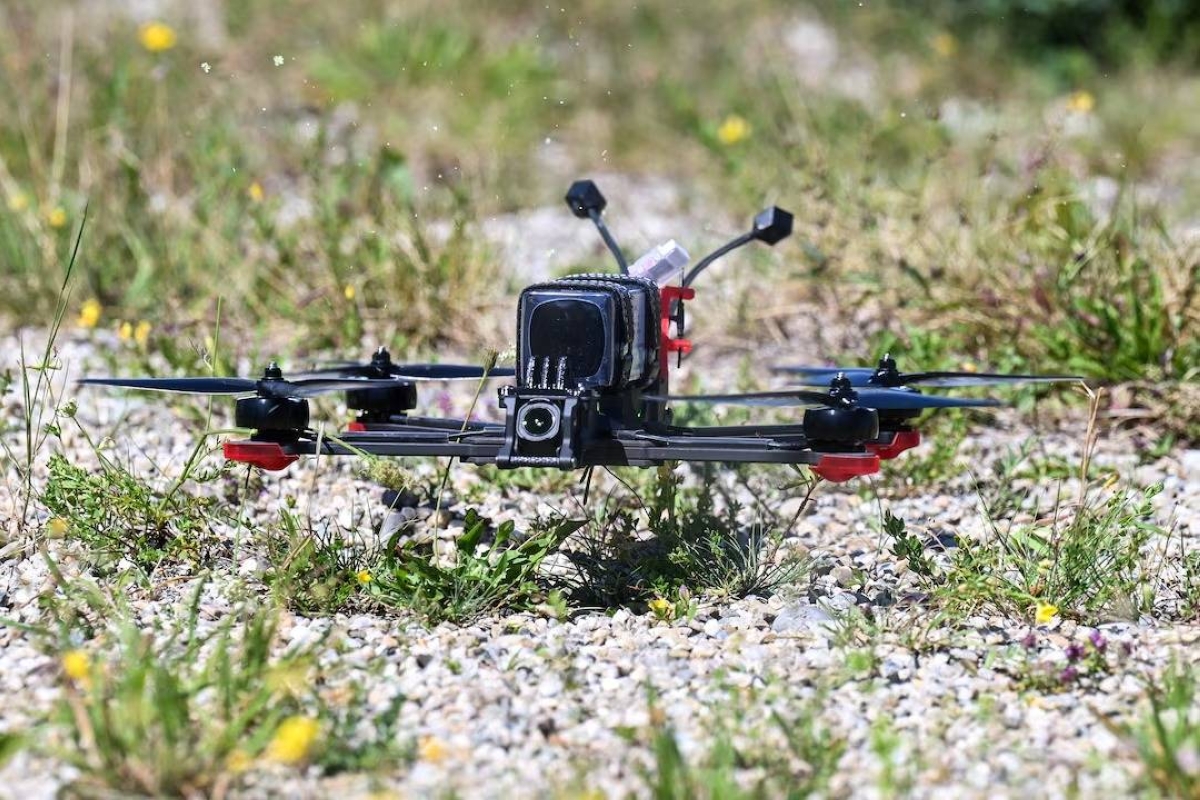
أحدثت الحرب في أوكرانيا تحولاً جذرياً في مسار شركات الدفاع الألمانية لتطوير طائرات مسيّرة هجومية وذكاء اصطناعي للمعارك، وفقاً لـ«شيرف»، الذي عمل سابقاً في وزارة الدفاع الألمانية، فإن أوروبا تشهد تحولاً في الابتكار الدفاعي يُشبه مشروع مانهاتن الأمريكي خلال الحرب العالمية الثانية.
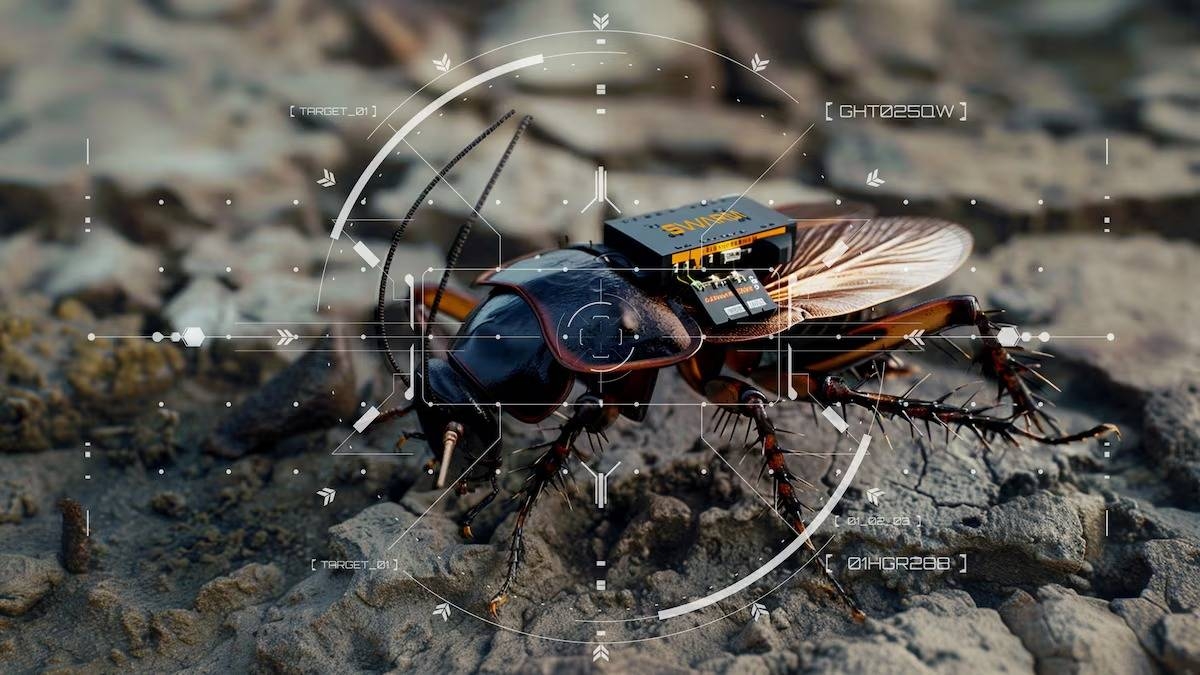
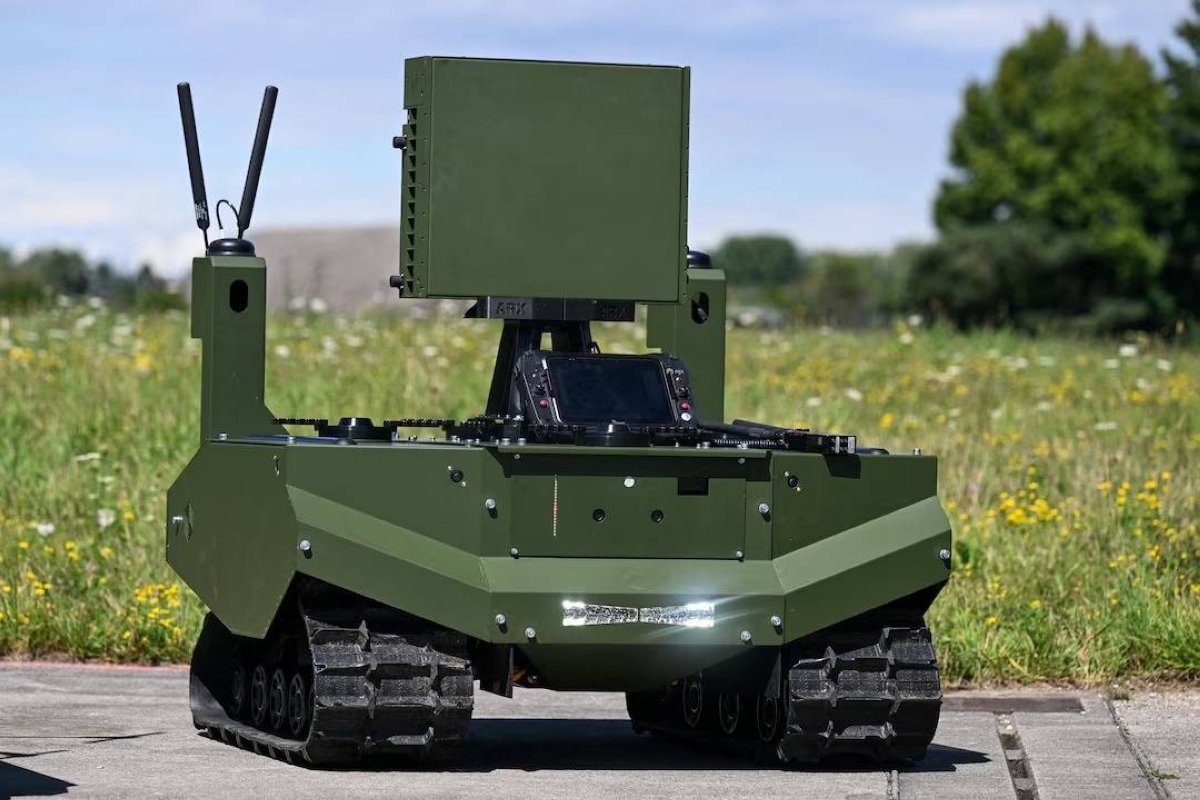
وتسعى ألمانيا، أكبر اقتصاد أوروبي، إلى قيادة هذا التحول عبر زيادة ميزانية الدفاع إلى 162 مليار يورو (175 مليار دولار) بحلول 2029، مع التركيز على تقنيات متطورة مثل الروبوتات الذكية، الغواصات المسيّرة، وحتى «صراصير التجسس» المزودة بكاميرات لجمع البيانات.
وتسعى الحكومة الألمانية، بقيادة المستشار فريدريش ميرز، إلى تقليص البيروقراطية وتسهيل وصول الشركات الناشئة إلى عقود عسكرية، مع قانون جديد للشراء العام يسمح بالدفعات المسبقة ويفضل الشركات الأوروبية.
ويأتي هذا التحول وسط مخاوف من تراجع الدعم العسكري الأمريكي للناتو، ما دفع ألمانيا لتحقيق هدف إنفاق 3.5% من الناتج المحلي الإجمالي على الدفاع بحلول 2029.
ومع تزايد الاستثمارات في التكنولوجيا الدفاعية، التي وصلت إلى مليار دولار في أوروبا عام 2024، تبرز ألمانيا كمركز للابتكار الدفاعي، مستفيدة من كفاءاتها الهندسية وقدراتها الصناعية في قطاع السيارات.
وتؤكد مصادر في برلين، وفقاً لوكالة «رويترز» أن الحرب في أوكرانيا غيرت النظرة الاجتماعية تجاه العمل في القطاع الدفاعي، حيث أصبحت الشركات الناشئة تستقطب المواهب بسهولة أكبر.
ومع استمرار التوترات الجيوسياسية، تسعى ألمانيا إلى بناء صناعة دفاعية أوروبية قوية، تقلل الاعتماد على الولايات المتحدة وتعزز السيادة التكنولوجية، ما يعزز الاقتصاد ويفتح آفاقاً جديدة للابتكار.
The war in Ukraine has brought about a radical shift in the trajectory of German defense companies towards developing offensive drones and artificial intelligence for combat. According to "Sherif," who previously worked in the German Ministry of Defense, Europe is witnessing a transformation in defense innovation reminiscent of the American Manhattan Project during World War II.
Germany, the largest economy in Europe, seeks to lead this transformation by increasing its defense budget to 162 billion euros ($175 billion) by 2029, focusing on advanced technologies such as smart robotics, unmanned submarines, and even "spy cockroaches" equipped with cameras for data collection.
The German government, led by Chancellor Friedrich Merz, aims to reduce bureaucracy and facilitate access for startups to military contracts, with a new public procurement law that allows for advance payments and favors European companies.
This shift comes amid concerns about a decline in American military support for NATO, prompting Germany to achieve a goal of spending 3.5% of its GDP on defense by 2029.
With increasing investments in defense technology, which reached $1 billion in Europe in 2024, Germany is emerging as a hub for defense innovation, leveraging its engineering expertise and industrial capabilities in the automotive sector.
Sources in Berlin confirm, according to Reuters, that the war in Ukraine has changed the social perception of working in the defense sector, as startups are attracting talent more easily.
As geopolitical tensions continue, Germany seeks to build a strong European defense industry that reduces reliance on the United States and enhances technological sovereignty, boosting the economy and opening new avenues for innovation.