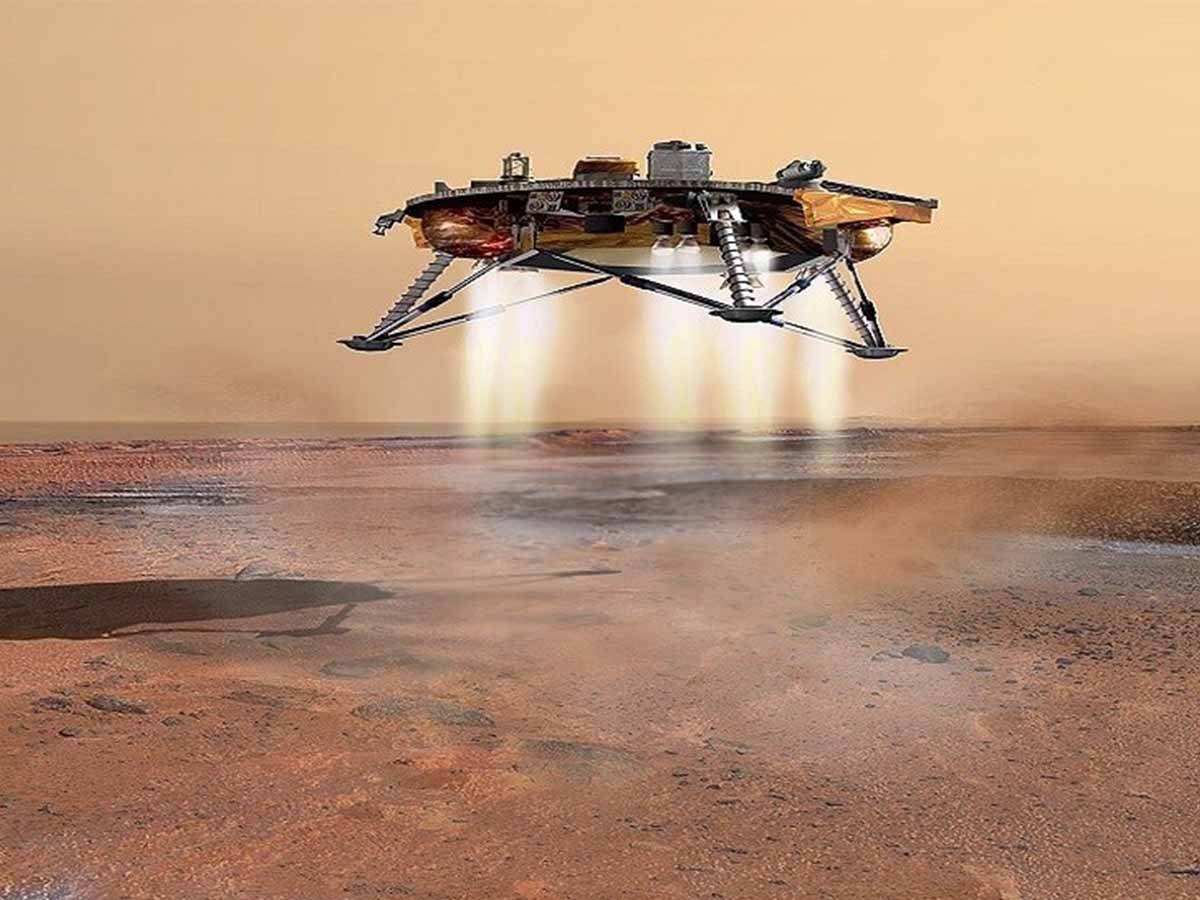
اجتاز صاروخ (Mars Ascent Vehicle) «MAV»، اختباراته على الأرض بنجاح، ليكون الأول من نوعه المصمم للإطلاق من سطح المريخ.
وأكدت الاختبارات الناجحة التي أجريت في ولاية ماريلاند الأمريكية جاهزية محرك المرحلة الثانية للرحلة الفضائية المرتقبة من المريخ، دون الكشف عن التركيب الدقيق وخصائص الوقود المستخدم، فيما يرجح بأن يكون وقوداً مركّباً يعتمد على بيركلورات الأمونيوم، مع إضافة مسحوق الألمنيوم ومادة بوليمرية شبيهة بالمطاط.
ووصفت شركة «Northrop Grumman» الصاروخ «MAV» بأنه ثنائي المراحل مصمم للإقلاع من كوكب آخر، وسيكون عنصراً محورياً في مهمة «إعادة عينات المريخ»، أو ما يعرف بـ«Mars Sample Return»، التي تنفذها وكالة الفضاء الأمريكية (ناسا)، بالتعاون مع وكالة الفضاء الأوروبية.
ويجرى حالياً جمع عينات من التربة المريخية وإغلاقها بإحكام، على أن تقوم مركبة هبوط خاصة مزودة بروفرات صغيرة بنقل هذه العينات إلى صاروخ «MAV» لإطلاقها لاحقاً نحو الأرض.
وخلال الاختبارات، تم تشغيل المحرك بسرعات عالية لمحاكاة ظروف الإطلاق في الغلاف الجوي الرقيق لكوكب المريخ، حيث لا توجد منصات إطلاق تقليدية.
ويتعين على صاروخ «MAV»، الذي يبلغ طوله 3 أمتار، أن يسرّع الحمولة -التي تزن نحو 450 كيلوغراماً- إلى سرعة 4 كيلومترات في الثانية خلال 10 دقائق فقط، ليضعها في مدار المريخ، وهناك، ستقوم مركبة فضائية مدارية بالتقاط الحاوية المحملة بالعينات، استعداداً لنقل هذا «الكنز العلمي» الثمين إلى الأرض.
The Mars Ascent Vehicle (MAV) successfully passed its ground tests, making it the first of its kind designed for launch from the surface of Mars.
The successful tests conducted in the state of Maryland, USA, confirmed the readiness of the second stage engine for the anticipated space flight from Mars, without revealing the precise composition and characteristics of the fuel used. It is speculated that the fuel is a composite based on ammonium perchlorate, with the addition of aluminum powder and a rubber-like polymer material.
Northrop Grumman described the MAV rocket as a two-stage vehicle designed for launch from another planet, and it will be a pivotal element in the Mars Sample Return mission, which is being carried out by NASA in collaboration with the European Space Agency.
Currently, samples of Martian soil are being collected and securely sealed, with a special landing vehicle equipped with small rovers set to transport these samples to the MAV rocket for later launch towards Earth.
During the tests, the engine was operated at high speeds to simulate launch conditions in the thin atmosphere of Mars, where there are no traditional launch pads.
The MAV rocket, which is 3 meters tall, must accelerate the payload—weighing about 450 kilograms—to a speed of 4 kilometers per second in just 10 minutes, placing it into Martian orbit. There, an orbital spacecraft will capture the container loaded with samples, preparing to transport this precious "scientific treasure" back to Earth.