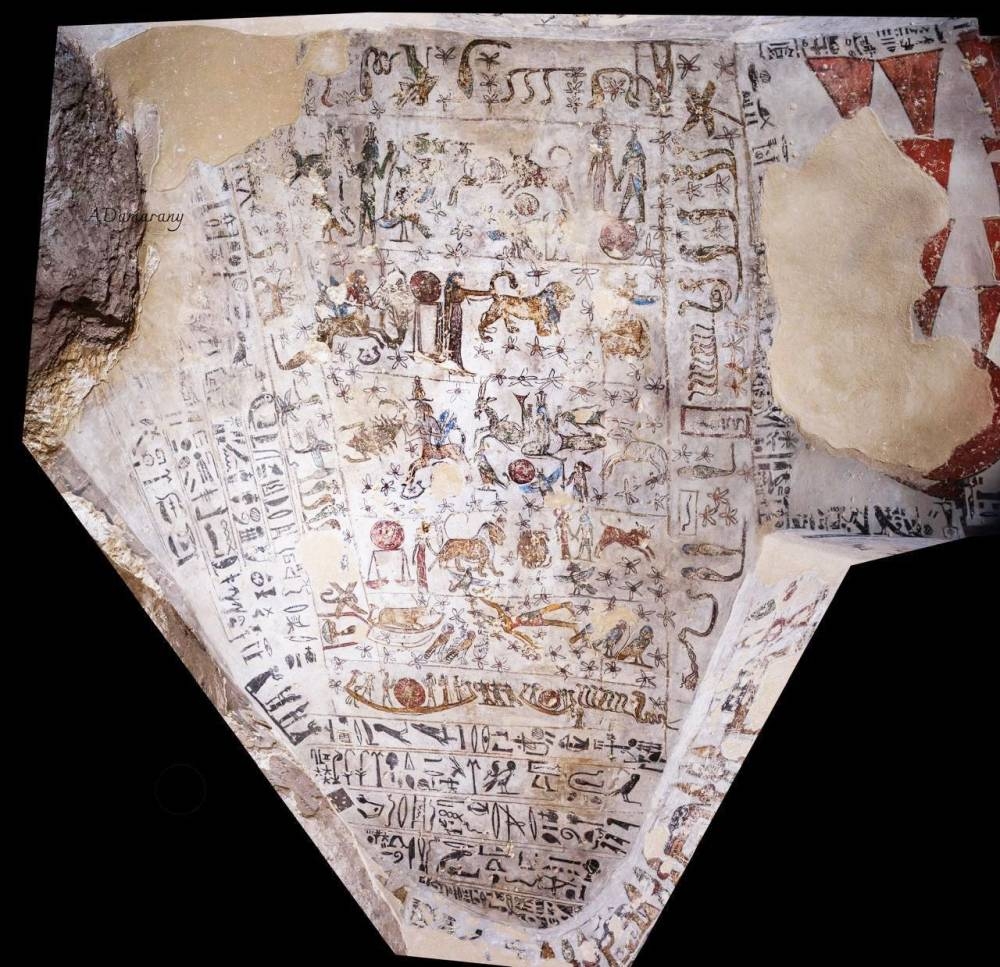
أعلنت وزارة السياحة والآثار المصرية اكتمال مشروع ترميم وصيانة «مقبرة الأخوين»، المعروفة أيضاً باسم «مقبرة البروج»، في مدينة أتريبس الأثرية بنجع الشيخ حمد، غرب محافظة سوهاج.
واستغرق المشروع عاماً كاملاً من العمل الدقيق لإعادة الحياة إلى هذا الموقع الأثري الذي يعود إلى القرن الثاني الميلادي، بهدف إدراجه ضمن مسار السياحة الثقافية في صعيد مصر، ما يتيح للزوار استكشاف تفاصيل حياة الشقيقين «إيب باماني» و«با محيت»، ابني «حور نفر» و«تاشريت حور سجم».
وتتميز المقبرة بتصميمها الفريد، حيث تتكون من حجرة أمامية مربعة الشكل وحجرة دفن بتخطيط مثلثي تحتوي على كوة دفن مستطيلة في الجدار الغربي، وتزدان جدرانها وسقفها بزخارف ملونة ولوحات فلكية نادرة تصور برجين فلكيين للمتوَفين، وهو ما أكسبها لقب «مقبرة البروج»، كما تضم مناظر جنائزية معقدة وزخارف تغطي جوانب وسقف وأرضية كوة الدفن، ما يعكس المهارة الفنية والثقافية في تلك الحقبة.
اكتُشفت المقبرة قبل أكثر من 150 عاماً، ووثّقها عالم الآثار الإنجليزي وليم فلندرز بيتري خلال موسم 1906-1907.
وأوضح رئيس قطاع الآثار المصرية بالمجلس الأعلى للآثار محمد عبدالبديع أن فريق الترميم المكون من خبراء المجلس أجرى تقريراً توثيقياً شاملاً لتحديد أسباب التلف، مثل الرطوبة والتشققات، قبل البدء في أعمال الصيانة.
وشملت الأعمال تنظيف الجدران والسقف ميكانيكياً وكيميائياً، وتقوية طبقات الألوان والملاط، واستكمال الأجزاء المفقودة بمواد متوافقة مع طبيعة المقبرة الأصلية، وفقاً لأعلى المعايير العلمية والفنية.
وأضافت رئيسة الإدارة المركزية للصيانة والترميم الدكتورة منال الغنام أن العمل ركز على الحفاظ على الطابع الأثري للمقبرة، مع ضمان استقرار الرسومات الملونة والزخارف الفلكية التي تُعد من أبرز معالمها.
وأكد الأمين العام للمجلس الأعلى للآثار الدكتور محمد إسماعيل خالد أن هذا المشروع يعكس التزام مصر بحماية تراثها الثقافي كجزء من المسؤولية الوطنية، مشيراً إلى دوره في تعزيز التعليم والتوعية والتنمية المستدامة.
فيما أكد وزير السياحة والآثار شريف فتحي أن ترميم المواقع الأثرية يأتي على رأس أولويات الوزارة، ليس فقط لحفظ التراث كجزء من الهوية الوطنية والإنسانية، بل أيضاً لفتح آفاق جديدة للسياحة الثقافية.
وأضاف أن إعادة فتح «مقبرة الأخوين» ستعزز تجربة الزوار وتدعم الاقتصاد المحلي في المجتمعات المحيطة بالمواقع الأثرية، مثل نجع الشيخ حمد، من خلال تنشيط السياحة وخلق فرص عمل.
وتقع مدينة أتريبس في الإقليم التاسع من أقاليم مصر العليا، وتُعد واحدة من أهم المدن الأثرية منذ نهاية العصر البطلمي.
وتضم المدينة معابد، محاجر، جبانات، منشآت سكنية، ورشاً صناعية، إضافة إلى دير للراهبات وكنيسة تعود للقرن السادس الميلادي، ما يجعلها مركزاً رئيسياً لبدايات الرهبنة في صعيد مصر، وتُعد سوهاج موطناً لمواقع أثرية أخرى بارزة مثل: أبيدوس، أخميم، الحواويش، والدير الأبيض والأحمر.
وفي عام 2022، اكتشفت بعثة أثرية في جبل الهريدي بسوهاج 85 مقبرة تعود لفترات متنوعة من الدولة القديمة حتى العصر البطلمي، إضافة إلى معبد لإيزيس الذي يعود إلى عصر بطليموس الثالث، ما يبرز الثروة الأثرية للمنطقة.
The Egyptian Ministry of Tourism and Antiquities announced the completion of the restoration and maintenance project of the "Tomb of the Brothers," also known as the "Tomb of the Constellations," in the archaeological city of Atripes in Naj' Sheikh Hamad, west of Sohag Governorate.
The project took a full year of meticulous work to revive this archaeological site dating back to the second century AD, with the aim of including it in the cultural tourism route in Upper Egypt, allowing visitors to explore the details of the lives of the brothers "Ib Paman" and "Ba Mahit," sons of "Horus Nefer" and "Tashrit Hor Segem."
The tomb is distinguished by its unique design, consisting of a square-shaped front chamber and a burial chamber with a triangular layout containing a rectangular burial niche in the western wall. Its walls and ceiling are adorned with colorful decorations and rare celestial paintings depicting two celestial constellations for the deceased, which earned it the title "Tomb of the Constellations." It also features complex funerary scenes and decorations covering the sides, ceiling, and floor of the burial niche, reflecting the artistic and cultural skill of that era.
The tomb was discovered more than 150 years ago and was documented by the English archaeologist William Flinders Petrie during the 1906-1907 season.
The head of the Egyptian Antiquities Sector at the Supreme Council of Antiquities, Mohamed Abdel-Badi, explained that the restoration team, composed of council experts, conducted a comprehensive documentation report to identify the causes of damage, such as humidity and cracks, before starting the maintenance work.
The work included mechanically and chemically cleaning the walls and ceiling, reinforcing the layers of paint and mortar, and completing the missing parts with materials compatible with the original nature of the tomb, according to the highest scientific and technical standards.
Dr. Manal Al-Ghannam, the head of the Central Administration for Maintenance and Restoration, added that the work focused on preserving the archaeological character of the tomb while ensuring the stability of the colorful drawings and celestial decorations, which are among its most prominent features.
Dr. Mohamed Ismail Khaled, the Secretary-General of the Supreme Council of Antiquities, confirmed that this project reflects Egypt's commitment to protecting its cultural heritage as part of its national responsibility, pointing to its role in enhancing education, awareness, and sustainable development.
Meanwhile, the Minister of Tourism and Antiquities, Sherif Fathy, affirmed that the restoration of archaeological sites is a top priority for the ministry, not only to preserve heritage as part of national and human identity but also to open new horizons for cultural tourism.
He added that the reopening of the "Tomb of the Brothers" will enhance the visitor experience and support the local economy in the communities surrounding the archaeological sites, such as Naj' Sheikh Hamad, by stimulating tourism and creating job opportunities.
The city of Atripes is located in the ninth region of Upper Egypt and is considered one of the most important archaeological cities since the end of the Ptolemaic era.
The city includes temples, quarries, cemeteries, residential buildings, industrial workshops, in addition to a convent for nuns and a church dating back to the sixth century AD, making it a major center for the beginnings of monasticism in Upper Egypt. Sohag is also home to other prominent archaeological sites such as: Abydos, Akhmim, Al-Hawawish, and the White and Red Monasteries.
In 2022, an archaeological mission in Mount Al-Hiridi in Sohag discovered 85 tombs dating from various periods of the Old Kingdom to the Ptolemaic era, along with a temple dedicated to Isis dating back to the reign of Ptolemy III, highlighting the archaeological wealth of the region.