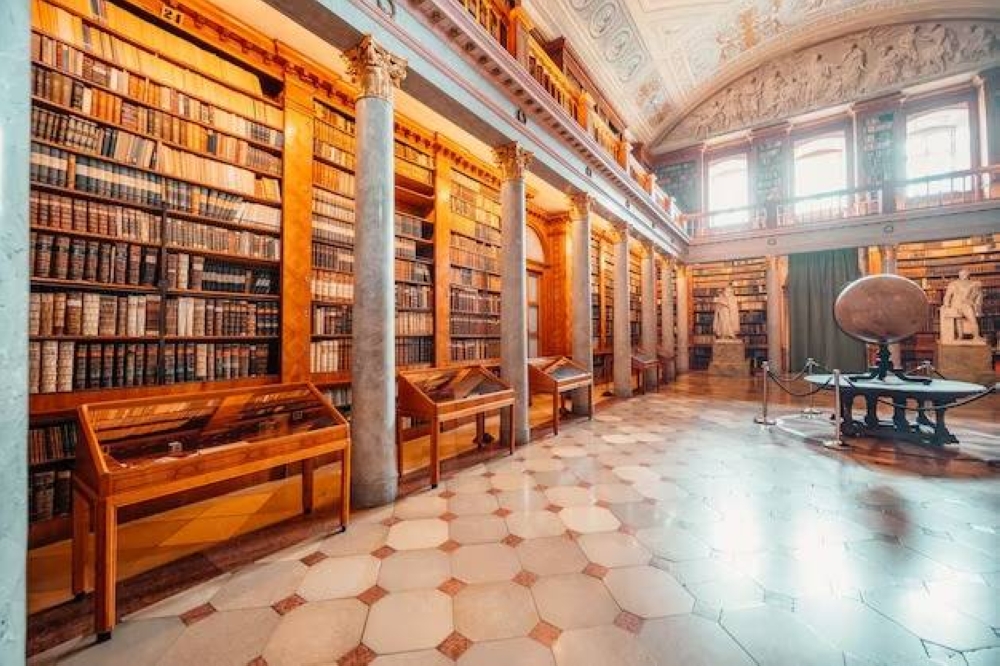
يخوض فريق من المرممين، في أروقة دير «بانونهالما» التاريخي، في المجر، أحد مواقع التراث العالمي لليونسكو، معركة صامتة ضد عدو صغير لكنه خطير «خنافس الخشب»، الحشرات النهمة، التي تهدد عشرات الآلاف من الكتب النادرة التي تعود إلى قرون مضت، وتمثل كنزاً معرفياً وثقافياً لا يُقدَّر بثمن.
ويعمل فريق المرممين، في سباق مع الزمن، على إنقاذ المخطوطات الأثرية من التلف، في عملية تجمع بين العلم والشغف بحفظ التاريخ، في الدير الذي تأسس عام 996 ميلادية، ويضم مكتبة تحتوي على أكثر من 360 ألف مجلد، بما في ذلك مخطوطات من العصور الوسطى وكتب دينية وعلمية كتبت بخط اليد.
2
وتواجه المجلدات والمخطوطات النادرة في دير «بانونهالما»، التي كانت في يوم من الأيام مركزاً للفكر الأوروبي، الآن خطر «الخنافس» التي تتغذى على الورق والجلد، مخلفة ثقوباً صغيرة وغباراً يهدد بتدمير الصفحات، حيث اكتشف أمناء المكتبة المشكلة بعد ملاحظة علامات التلف، ما دفع إدارة الدير إلى إطلاق مشروع طارئ لإنقاذ التراث.
ويعمل فريق المرممين، بدعم من خبراء علم الحشرات، على نقل نحو 100 ألف كتاب مجلد يدوياً من رفوفها، ووضعها بعناية داخل صناديق، في بداية عملية تعقيم تهدف إلى مكافحة الخنافس الصغيرة التي حفرت داخلها، ومعالجتها بتقنيات متطورة مثل التجميد عند درجات حرارة منخفضة للقضاء على الخنافس ويرقاتها، إلى جانب التنظيف الجاف والترميم اليدوي، في عملية وصفت بأنها «ليست سهلة»، حيث تتطلب التعامل مع كتب هشة قد تتفتت بمجرد لمسها، إضافة إلى التحديات اللوجستية والتكاليف الباهظة.
ونقلت وسائل إعلام مجرية عن أحد المرممين قوله: «كل كتاب ننقذه هو بمثابة إعادة قطعة من التاريخ إلى الحياة»، معبراً عن الشعور بالمسؤولية والفخر، وذلك في ظل ما يمثله تحدي الرطوبة في المكتبة، التي تُعد بيئة مثالية لتكاثر الخنافس، وتشكل تحدياً إضافياً.
ويعمل فريق المرممين على تحسين ظروف التخزين لمنع عودة الخنافس، بينما يجري ترميم الصفحات التالفة باستخدام مواد تحافظ على أصالة المخطوطات، في مشروع جذب اهتماماً دولياً، حيث يشارك خبراء من مؤسسات أوروبية لتبادل الخبرات في حماية التراث الثقافي.
وحذر مدير مكتبة دير «بانونهالما» التاريخي من الاستخفاف بخطر «الخنافس» قائلاً: «إنها قد تكون صغيرة، لكن تأثيرها كارثي إذا لم نتحرك بسرعة»، واصفاً الجهود التي يقوم بها الفريق بأنها «لا تحمي الكتب فحسب، بل تضع معايير جديدة للحفاظ على التراث في مواجهة التهديدات البيولوجية».
A team of restorers is engaged in a silent battle against a small but dangerous enemy, the "woodboring beetles," in the corridors of the historic "Pannonhalma" Abbey in Hungary, a UNESCO World Heritage site. These voracious insects threaten tens of thousands of rare books dating back centuries, representing an invaluable treasure of knowledge and culture.
The restoration team is racing against time to save the ancient manuscripts from damage, in a process that combines science and a passion for preserving history, in the abbey founded in 996 AD, which houses a library containing more than 360,000 volumes, including manuscripts from the Middle Ages and religious and scientific books written by hand.
2
The rare volumes and manuscripts at the "Pannonhalma" Abbey, which was once a center of European thought, now face the threat of "beetles" that feed on paper and leather, leaving small holes and dust that threaten to destroy the pages. Library curators discovered the problem after noticing signs of damage, prompting the abbey's administration to launch an emergency project to save the heritage.
The restoration team, supported by entomology experts, is working to carefully transfer about 100,000 hand-bound books from their shelves into boxes, marking the beginning of a sterilization process aimed at combating the small beetles that have burrowed inside them. They are treating the books with advanced techniques such as freezing at low temperatures to eliminate the beetles and their larvae, alongside dry cleaning and manual restoration, in a process described as "not easy," as it requires handling fragile books that could crumble at a touch, in addition to the logistical challenges and high costs.
The restoration team is working to improve storage conditions to prevent the return of the beetles while restoring damaged pages using materials that preserve the authenticity of the manuscripts, in a project that has attracted international attention, with experts from European institutions participating to exchange experiences in cultural heritage protection.
The director of the historic "Pannonhalma" Abbey library warned against underestimating the danger of the "beetles," stating, "They may be small, but their impact is catastrophic if we do not act quickly," describing the team's efforts as "not only protecting the books but also setting new standards for heritage preservation in the face of biological threats."