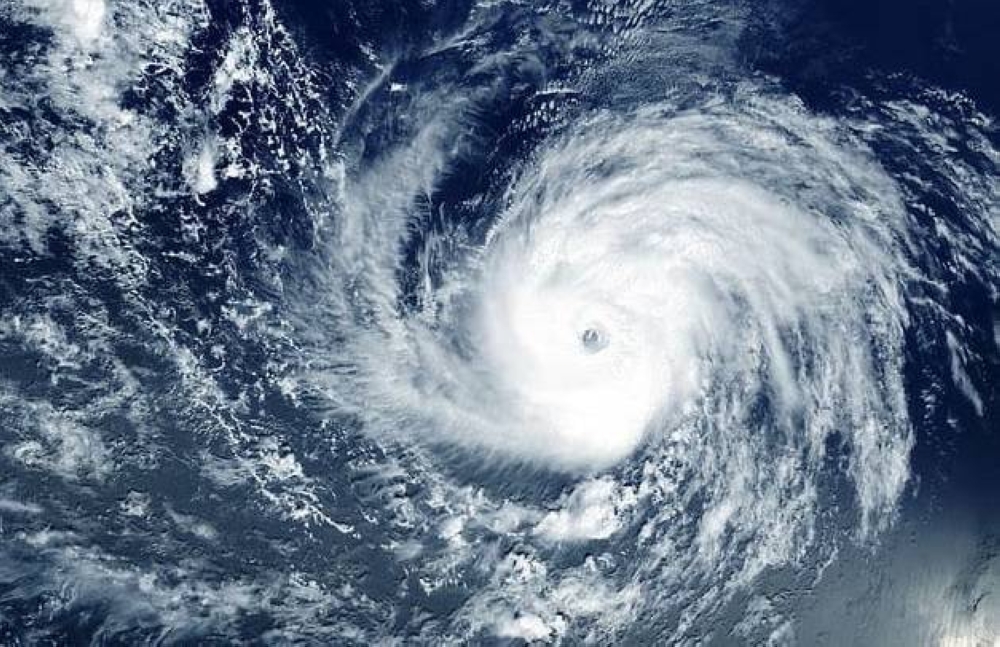
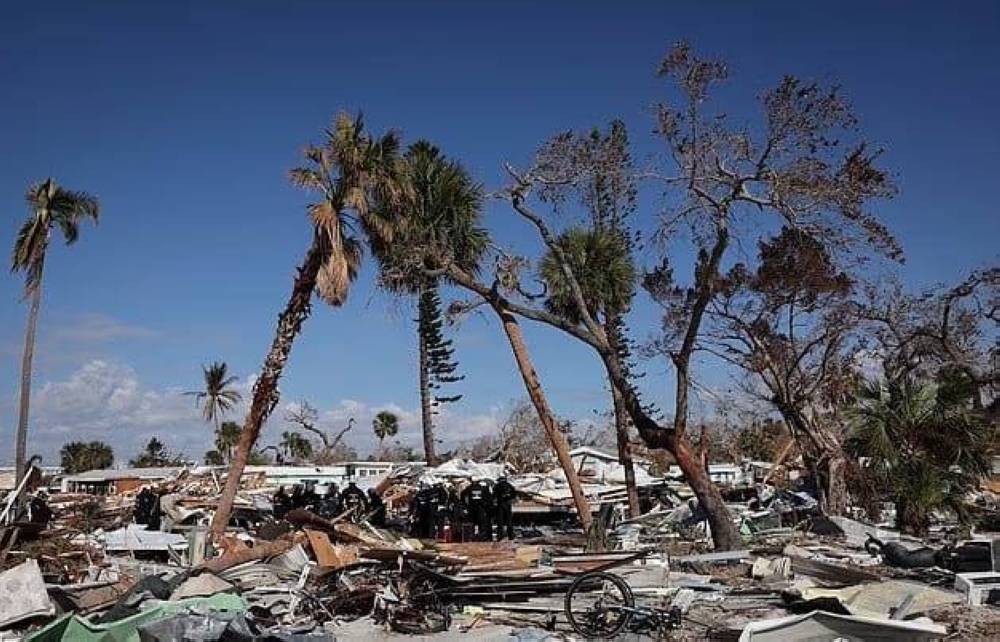
مع بداية موسم الأعاصير لعام 2025، يواجه ملايين الأمريكيين تهديداً متزايداً بعد قرار البنتاغون المفاجئ بإيقاف برنامج حيوي لتتبع بيانات الأعاصير.
اعتباراً من 30 يونيو 2025، توقفت الحكومة الفيدرالية عن معالجة ومشاركة بيانات ثلاثة أقمار صناعية تقدم معلومات حاسمة للتنبؤ بالأعاصير قبل تشكلها بـ10 إلى 12 ساعة.
يثير هذا القرار قلق الخبراء، حيث يؤثر فقدان بيانات الأقمار الصناعية على توقعات الأعاصير التي تهدد الساحل الشرقي ومناطق خليج المكسيك، حيث يعيش أكثر من 60 مليون أمريكي يعتمدون على تنبؤات دقيقة وفي الوقت المناسب.
وقد يؤدي هذا النقص إلى تأخير التحذيرات، وتقليل دقة نماذج التنبؤ، وتقليص وقت الإخلاء، مما قد يعرض الأرواح للخطر.
قال جيمس فرانكلين، رئيس فرع سابق في المركز الوطني للأعاصير، في تصريح لشبكة «نيوز نيشن»: «سنواجه حالات هذا العام تتأخر فيها التحذيرات بسبب هذا القرار، مما قد يؤخر عمليات الإخلاء ويؤدي إلى خسائر في الأرواح».
وفي مايو الماضي، توقع المسؤولون موسم أعاصير نشط بنسبة 70%، مع احتمال حدوث 13 إلى 19 عاصفة مسماة، منها 6 إلى 10 قد تتحول إلى أعاصير، بما في ذلك 3 إلى 5 أعاصير كبرى من الفئة الثالثة أو أعلى.
وفي العام الماضي، تسبب موسم الأعاصير في وفاة حوالى 400 شخص، وهو الأكثر فتكاً منذ 2005.
ويتوقع خبراء أن تصل 6 عواصف كبرى إلى اليابسة في الولايات المتحدة هذا الصيف، وهو نفس العدد الذي تسبب في أضرار بقيمة 500 مليون دولار العام الماضي، حيث كان أعصارا «هيلين» و«ميلتون» الأكثر تدميراً.
وكانت الأقمار الصناعية توفر بيانات الموجات الدقيقة التي تتيح للعلماء رؤية داخل العواصف وتتبع أنماط الرياح والأمطار حتى في الظلام أو عبر السحب.
وبدون هذه البيانات، قد يفقد خبراء الأرصاد 6 إلى 10 ساعات من التحذير المبكر، مما يزيد من مخاطر ما يُعرف بـ«مفاجآت الفجر»، وهي عواصف تبدو هادئة ليلاً ثم تتحول فجأة إلى أعاصير مدمرة بحلول الصباح.
وقال مارك أليسي، خبير الأعاصير في اتحاد العلماء المهتمين: «هذا انتكاسة كبيرة، لم نعد قادرين على تأكيد تصاعد قوة العاصفة بسرعة، مما يحد من قدرتنا على تحديث التوقعات بدقة».
وتم إيقاف تدفق البيانات رسمياً في 27 يونيو، قبل ذروة نشاط الأعاصير في يوليو، وفقاً للإدارة الوطنية للمحيطات والغلاف الجوي (NOAA)، ومع توقف برنامج الأقمار الصناعية الدفاعية (DMSP)، أصبحت كمية بيانات الموجات الدقيقة المتاحة نصف ما كانت عليه، مما يضعف التوقعات وزمن التحذير.
وأكد متحدث باسم NOAA أن الوكالة تعتمد على أقمار وأدوات أخرى لمواصلة التنبؤ، واصفاً الأمر بـ«عملية روتينية لتدوير البيانات»، لكن مسؤولين سابقين وصفوا القرار بأنه مفاجئ وغير موصول بشكل جيد.
وقال ريك سبينراد، مدير سابق لـ NOAA: «لم أرَ شيئا مماثلاً من قبل، إنه أمر صادم».
ويثير القرار مخاوف أعمق بشأن التزام البنتاغون بتوقعات الطقس وعلوم المناخ، خاصة مع اقتراح البيت الأبيض خفض ميزانية NOAA لعام 2026 بنسبة 40%، أي أكثر من مليوني دولار، إلى جانب تقليص موظفي وكالة وإلغاء عقود تتعلق بالتأهب للكوارث وأبحاث المناخ.
وفي 2024، قدمت NOAA توقعات دقيقة للغاية لإعصاري «ميلتون» و«هيلين»، لكن العلماء يحذرون من أن هذه الدقة كانت تعتمد على الأقمار الصناعية وأنظمة البيانات الممولة بالكامل، والتي تم تفكيكها الآن.
وقال بريان ماكنولدي، خبير الأعاصير في جامعة ميامي، إن فقدان ثلاثة أقمار صناعية عاملة بين عشية وضحاها أمر لا يصدق، والبيانات محدودة أصلاً، لذا هذا خبر مقلق للغاية.
With the start of the 2025 hurricane season, millions of Americans are facing an increasing threat following the Pentagon's sudden decision to halt a vital program for tracking hurricane data.
As of June 30, 2025, the federal government has stopped processing and sharing data from three satellites that provide critical information for predicting hurricanes 10 to 12 hours before they form.
This decision raises concerns among experts, as the loss of satellite data affects hurricane forecasts threatening the East Coast and Gulf Coast regions, where more than 60 million Americans rely on accurate and timely predictions.
This shortfall could delay warnings, reduce the accuracy of forecasting models, and shorten evacuation times, potentially putting lives at risk.
James Franklin, a former branch chief at the National Hurricane Center, stated in an interview with News Nation: "We will face situations this year where warnings are delayed because of this decision, which could delay evacuations and lead to loss of life."
Last May, officials predicted an active hurricane season with a 70% chance, estimating 13 to 19 named storms, of which 6 to 10 could become hurricanes, including 3 to 5 major hurricanes of Category 3 or higher.
Last year, the hurricane season resulted in approximately 400 deaths, making it the deadliest since 2005.
Experts expect that 6 major storms will make landfall in the United States this summer, the same number that caused $500 million in damages last year, with Hurricanes "Helen" and "Milton" being the most destructive.
The satellites provided microwave data that allowed scientists to see inside storms and track wind and rain patterns even in darkness or through clouds.
Without this data, meteorologists could lose 6 to 10 hours of early warning, increasing the risks of what are known as "dawn surprises," which are storms that appear calm at night and then suddenly turn into devastating hurricanes by morning.
Mark Alessi, a hurricane expert at the Union of Concerned Scientists, said: "This is a major setback; we can no longer confirm the rapid intensification of storms, which limits our ability to update forecasts accurately."
The flow of data was officially halted on June 27, just before the peak of hurricane activity in July, according to the National Oceanic and Atmospheric Administration (NOAA), and with the cessation of the Defense Meteorological Satellite Program (DMSP), the amount of available microwave data has been cut in half, weakening forecasts and warning times.
A spokesperson for NOAA confirmed that the agency relies on other satellites and tools to continue forecasting, describing it as a "routine data rotation process," but former officials described the decision as surprising and poorly communicated.
Rick Spinrad, a former director of NOAA, said: "I've never seen anything like this before; it's shocking."
The decision raises deeper concerns about the Pentagon's commitment to weather forecasting and climate science, especially with the White House proposing a 40% cut to NOAA's budget for 2026, amounting to over two million dollars, along with cuts to agency staff and the cancellation of contracts related to disaster preparedness and climate research.
In 2024, NOAA provided highly accurate forecasts for Hurricanes "Milton" and "Helen," but scientists warn that this accuracy relied on fully funded satellites and data systems, which have now been dismantled.
Brian McNoldy, a hurricane expert at the University of Miami, stated that losing three operational satellites overnight is unbelievable, and the data is already limited, making this very concerning news.