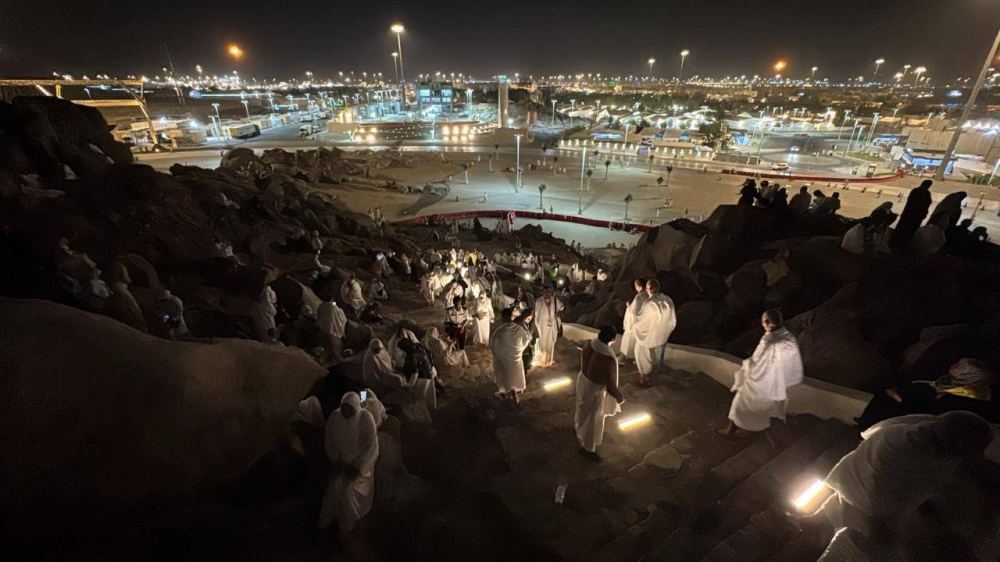
بين ملايين القادمين من أصقاع الأرض في أحد المخيمات الواقعة على أطراف منى، لم يكن من الصعب أن تلاحظ وقار رجل ستيني يجلس على سجادته بهدوء، يردد الأدعية بصوت خافت، وعيناه مغلقتان كأنهما لا تنتظران شيئًا من هذا العالم.
ذلك الرجل هو الحاج الباكستاني «حبيب الله»، البالغ من العمر 63 عامًا، الذي لم يكن حج هذا العام بالنسبة له مجرد ركن خامس، بل خلاصة حياة كاملة من الصبر والدعاء والبصيرة التي لا تحتاج إلى أعين.
حبيب الله ولد مبصرًا، وفقد بصره تمامًا في عمر الـ18 بسبب مرض نادر، وصفه الأطباء بأنه غير قابل للعلاج، ومع ذلك، لم يجزع ولم ييأس، بل اتجه إلى العلم والدعاء، ومنذ أن فقد بصره، كرس حياته لتعليم الفقه والعقيدة الإسلامية في قريته بباكستان، حفظ القرآن الكريم كاملًا عبر المصحف بطريقة برايل، ودرّس أجيالًا من الطلاب الذين ما زالوا يتواصلون معه حتى اليوم.
وافتتح الحاج حبيب الله حديثه، والدموع تختنق في نبرة صوته، معبراً: «قبل كل شيء الله اصطفاني لأكون هنا في بيته الحرام، والعلم والتعليم هما النور، وإذا غاب العلم، فذلك هو الظلام الحقيقي وليس ظلام الرؤية».
على الصعيد الشخصي، تزوج حبيب الله ابنة عمه، وكانت كما وصفها «بصيرتي التي لا تنطفئ، عاشت معي 38 عامًا، صبرت علي وعلى أولادي، لم تجعلني أشعر يومًا أنني أعمى، كانت بصري وبصر أولادي، كنت أرى من خلالها الحياة كل يوم»، أنجب منها طفلين، أحدهما ولد كفيفًا، والأخرى فقدت بصرها بعد سنوات، ورغم صدمة التكرار، فإن الأطباء أكدوا أنها ليست حالة وراثية، لكنه يقول: «الله اصطفانا، وأنا راض بما كتبه الله لي، كل ما يأتي من الله هو رحمة».
يحكي حبيب الله أن حلمه بالحج بدأ منذ أن فقد بصره، وأنه كان يبكي في صلاته كل يوم ويقول: «يا الله، أرجوك نادني إلى بيتك، اجعلني من ضيوفك».
وقال:«في موسم الحج هذا، تحقق الحلم، وحين وصلت، لم أصدق أنني الآن في منى، صحيح لا أرى الكعبة، لكنني أشعر بها في قلبي، وكأنها تسكن داخلي»، مضيفًا «أنا لم أرَ الكعبة يومًا، لكني أشعر بها في قلبي، قلبي يعمل مثل الجليد بارد لكنه ثابت قوي، ويحمل كل المشاعر»، وبهذه العبارة اختصر بأنه ينتظر يوم عرفة بفارغ الصبر، ليرفع يديه ويدعو لزوجته التي صبرت، ولأولاده، ولنفسه، ويشكر الله بحرارة لأنه بلّغه هذا المقام، ويقول «وصولي هنا هو إثبات أن الدعاء لا يُهمل، حتى إن تأخّر الله لا ينسى من يذكره».
ما يميّز هذا الرجل ليس فقط صبره أو قوة إيمانه، بل قدرته النادرة على النظر إلى الحياة بنور داخلي خالص، يقول عن نفسه: «أنا كنت طفلًا كفيفًا، لكنني اليوم رجل ناجح بعلمي، وبإيماني، وأن الله اختارني لأكون هنا».
ويختم حديثه بابتسامة مملوءة باليقين: «الطفل الكفيف الذي كنتُه قبل عقود، حقق اليوم نجاحًا عظيمًا، أنا سعيد، وممتن لله».
هذه ليست قصة حاج فقط، بل قصة إنسان عاش النور رغم فقدان البصر، وبقي ينتظر موعده مع الكعبة لأربعة عقود ونصف حتى لبّى الله نداءه.
Among the millions arriving from all corners of the earth at one of the camps located on the outskirts of Mina, it was not difficult to notice the dignity of a sixty-year-old man sitting quietly on his prayer mat, softly reciting prayers, his eyes closed as if they were not expecting anything from this world.
This man is the Pakistani pilgrim "Habibullah," 63 years old, for whom this year's pilgrimage was not just a fifth pillar, but the culmination of a whole life filled with patience, prayer, and insight that does not require eyes.
Habibullah was born sighted and lost his vision completely at the age of 18 due to a rare disease, which doctors described as incurable. Nevertheless, he did not despair or lose hope; instead, he turned to knowledge and prayer. Since losing his sight, he has dedicated his life to teaching Islamic jurisprudence and creed in his village in Pakistan, memorizing the entire Quran through the Braille script and teaching generations of students who still communicate with him to this day.
Habibullah opened his speech, with tears choking his voice, expressing: "First of all, Allah has chosen me to be here in His sacred house, and knowledge and education are the light. If knowledge is absent, that is true darkness, not the darkness of sight."
On a personal level, Habibullah married his cousin's daughter, whom he described as "my unquenchable sight. She lived with me for 38 years, endured me and my children, and never made me feel that I was blind. She was my sight and the sight of my children. I saw life through her every day." They had two children, one of whom was born blind, and the other lost her sight after several years. Despite the shock of this repetition, doctors confirmed that it is not a hereditary condition. However, he says: "Allah has chosen us, and I am content with what Allah has decreed for me. Everything that comes from Allah is mercy."
Habibullah recounts that his dream of performing Hajj began when he lost his sight, and he would cry in his prayers every day, saying: "O Allah, please call me to Your house, make me one of Your guests."
He said: "In this Hajj season, the dream came true, and when I arrived, I couldn't believe that I was now in Mina. True, I cannot see the Kaaba, but I feel it in my heart, as if it resides within me." He added, "I have never seen the Kaaba, but I feel it in my heart. My heart works like ice—cold but steady and strong, carrying all emotions." With this statement, he summarized that he is eagerly awaiting the Day of Arafah to raise his hands and pray for his patient wife, for his children, and for himself, thanking Allah warmly for allowing him to reach this status, saying, "My arrival here is proof that prayers are not neglected; even if Allah delays, He does not forget those who remember Him."
What distinguishes this man is not only his patience or the strength of his faith but his rare ability to look at life with pure inner light. He says of himself: "I was a blind child, but today I am a successful man through my knowledge and my faith, and that Allah chose me to be here."
He concludes his speech with a smile filled with certainty: "The blind child I was decades ago has achieved great success today. I am happy and grateful to Allah."
This is not just the story of a pilgrim, but the story of a human being who lived in light despite losing his sight and waited for his appointment with the Kaaba for four and a half decades until Allah answered his call.