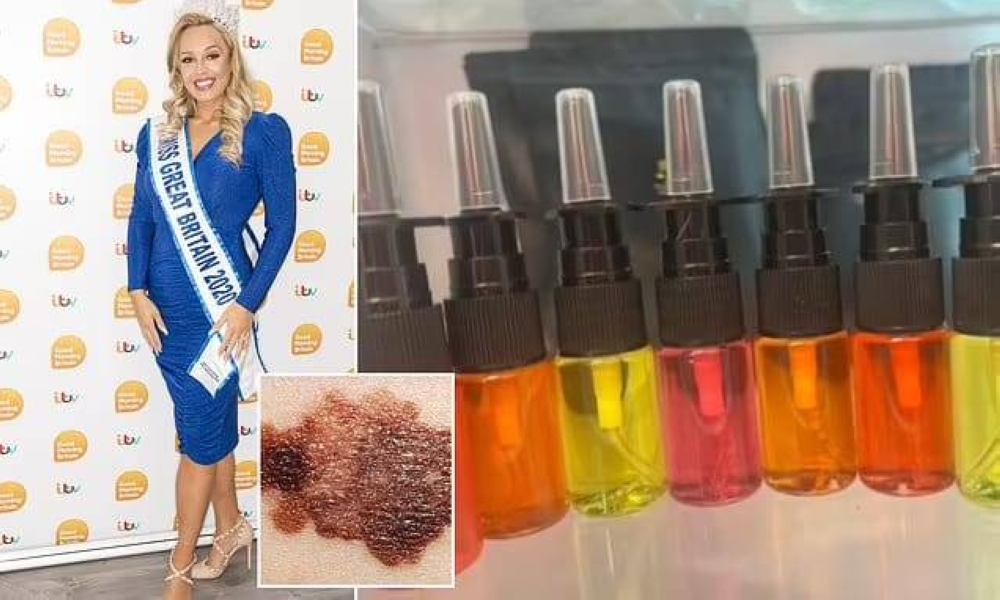
تحذيرات طبية عاجلة تتصاعد في بريطانيا مع انتشار بخاخات الأنف للتسمير، التي ارتبطت بمخاطر الإصابة بسرطان الجلد القاتل.
هذه المنتجات غير الخاضعة للرقابة، التي تُروَّج عبر منصات التواصل الاجتماعي بنكهات جذابة مثل الفراولة والعلكة، تستهدف الشباب وتثير مخاوف من وباء شبابي مشابه لتفشي السجائر الإلكترونية.
وفقاً لموقع Mail online فإن خبراء الصحة يدقون ناقوس الخطر، محذرين من مخاطر صحية خطيرة تشمل الغثيان وارتفاع ضغط الدم، إلى جانب التحذير الأكبر: سرطان الجلد الخبيث.
وكشفت هيئة معايير التجارة البريطانية (CTSI) عن مخاطر بخاخات الأنف للتسمير، التي تحتوي على مادة ميلانوتان 2، وهي مادة كيميائية محظورة في بريطانيا تُغير لون البشرة.
هذه المنتجات، التي تُسوَّق على أنها مستحضرات تجميل وليست أدوية، تفتقر إلى الرقابة الصارمة، ما ساهم في انتشارها الواسع عبر منصات مثل «فيسبوك» و«تيك توك».
ووفقاً لمجلس الجمال البريطاني، من المتوقع أن يصل سوق منتجات التسمير الذاتي إلى 746.3 مليون جنيه إسترليني بحلول 2027.
الخطر الأكبر يكمن في قدرة هذه البخاخات على تحفيز تغيرات غير طبيعية في خلايا الجلد عند التعرض للأشعة فوق البنفسجية، وهي تغيرات قد تؤدي إلى الإصابة بالميلانوما، أخطر أنواع سرطان الجلد.
وأشارت منظمة صندوق الميلانوما إلى أن هذه المنتجات قد تُفاقم المخاطر الصحية بدلاً من تحقيق التسمير الموعود.
وأثارت هيئة معايير التجارة قلقها من رواج بخاخات وقطرات وحلويات التسمير بنكهات موجهة للأطفال والشباب، مثل الخوخ، العنب، والليمون.
هذه المنتجات تُباع من قِبل بائعين غير أخلاقيين عبر وسائل التواصل الاجتماعي، ما يثير مخاوف من تحولها إلى موضة بين الشباب، على غرار ما حدث مع السجائر الإلكترونية.
ودعت الهيئة الجمهور إلى تجنب أي منتج تسمير يُستنشق أو يُبتلع، محذرة من آثاره الجانبية مثل الغثيان، القيء، وارتفاع ضغط الدم.
وتعرض بعض الضحايا في بريطانيا بالفعل لأضرار جسيمة، وشاركت جين أتكين (الفائزة السابقة بلقب ملكة جمال بريطانيا من غريمسبي - لينكولنشاير) تجربتها المؤلمة بعد استخدام بخاخ تسمير اشترته عبر «إنستغرام» مقابل 25 جنيهاً إسترلينياً.
وبعد استخدامه مرتين، ظهرت بقعة بنية داكنة على جبهتها من العدم، ما تسبب لها في شعور بالغثيان والخوف. وأضافت: «تركتني هذه التجربة بندوب دائمة وشعور بالرعب».
«الميلانوما» هو سرطان جلدي خطير ينشأ في الخلايا المنتجة للميلانين، وهي الصبغة التي تمنح البشرة لونها، رغم أنه أقل شيوعاً من أنواع سرطان الجلد الأخرى، إلا أنه الأكثر خطورة بسبب قدرته على الانتشار السريع إلى أعضاء أخرى إذا لم يُعالج مبكراً.
وفقاً لمنظمة أبحاث السرطان في بريطانيا، يُشخص حوالى 17,000 شخص بالميلانوما سنوياً، مع معدل بقاء يصل إلى 90% لمدة 10 سنوات إذا تم اكتشافه مبكراً. لكن المرض يتسبب في حوالى 2,300 وفاة سنوياً، وهو يمثل 1% من وفيات السرطان.
وأعربت سوزانا دانيالز، الرئيسة التنفيذية لمنظمة ميلانوما فوكس، عن قلقها المتزايد من انتشار بخاخات وإبر التسمير، محذرة من أن هذه المنتجات غير القانونية لا تعرض المستخدمين لمخاطر صحية فحسب، بل تشجع أيضاً على سلوكيات ضارة، خاصة بين الشباب. ودعت الجمهور إلى التفكير في العواقب طويلة المدى وتجنب هذه المواد.
من جانبه، أكد غاري ليبمان، رئيس جمعية أسرّة التسمير، دعمه لحملة هيئة معايير التجارة لتوعية الناس بمخاطر البخاخات، مشيراً إلى أنها لا مكان لها في صالونات التسمير الاحترافية.
Urgent medical warnings are escalating in Britain as tanning nasal sprays, linked to the risks of deadly skin cancer, spread.
These unregulated products, marketed on social media platforms with appealing flavors like strawberry and bubblegum, target young people and raise concerns of a youth epidemic similar to the rise of electronic cigarettes.
According to Mail online, health experts are sounding the alarm, warning of serious health risks including nausea and high blood pressure, alongside the greater warning: malignant skin cancer.
The British Trading Standards Institute (CTSI) has revealed the dangers of tanning nasal sprays, which contain Melanotan 2, a banned chemical in Britain that alters skin color.
These products, marketed as cosmetics rather than medicines, lack strict regulation, contributing to their widespread availability on platforms like Facebook and TikTok.
According to the British Beauty Council, the self-tanning products market is expected to reach £746.3 million by 2027.
The greatest danger lies in the ability of these sprays to trigger abnormal changes in skin cells when exposed to ultraviolet rays, changes that could lead to melanoma, the deadliest form of skin cancer.
The Melanoma Fund has indicated that these products may exacerbate health risks instead of achieving the promised tanning.
The Trading Standards Institute expressed concern over the popularity of tanning sprays, drops, and candies flavored for children and youth, such as peach, grape, and lemon.
These products are sold by unethical vendors via social media, raising fears of them becoming a trend among young people, similar to what happened with electronic cigarettes.
The institute urged the public to avoid any tanning product that is inhaled or ingested, warning of side effects such as nausea, vomiting, and high blood pressure.
Some victims in Britain have already suffered severe damage, and Jane Atkin (a former winner of the Miss Britain title from Grimsby - Lincolnshire) shared her painful experience after using a tanning spray she bought on Instagram for £25.
After using it twice, a dark brown spot appeared on her forehead out of nowhere, causing her feelings of nausea and fear. She added, "This experience left me with permanent scars and a sense of terror."
Melanoma is a serious skin cancer that arises in the cells that produce melanin, the pigment that gives skin its color. Although it is less common than other types of skin cancer, it is the most dangerous due to its ability to spread rapidly to other organs if not treated early.
According to Cancer Research UK, around 17,000 people are diagnosed with melanoma each year, with a 10-year survival rate of up to 90% if detected early. However, the disease causes about 2,300 deaths annually, accounting for 1% of cancer deaths.
Suzanna Daniels, CEO of Melanoma Focus, expressed her growing concern over the spread of tanning sprays and injections, warning that these illegal products not only expose users to health risks but also encourage harmful behaviors, especially among youth. She urged the public to consider the long-term consequences and avoid these substances.
For his part, Gary Lipman, head of the tanning bed association, confirmed his support for the Trading Standards Institute's campaign to raise awareness of the dangers of sprays, noting that they have no place in professional tanning salons.