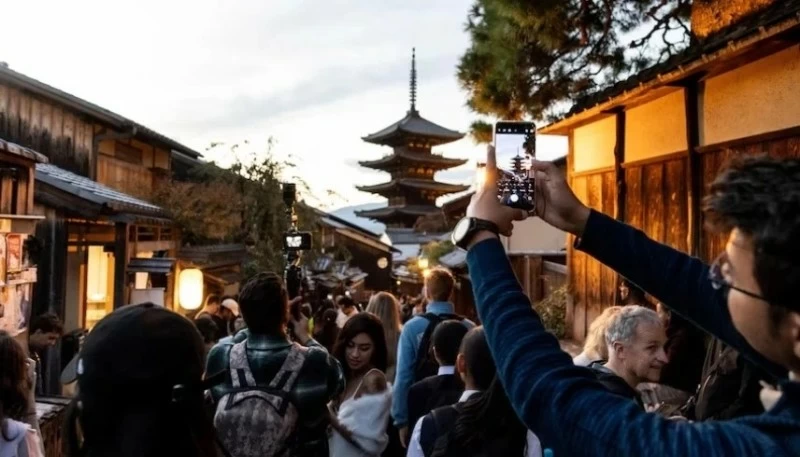
تعيش المدن اليابانية الكبرى حالة غير مسبوقة من الازدحام السياحي بعد وصول عدد الزوار الدوليين في 2025 إلى 42 مليون، بينهم مليون سائح أسترالي، ما جعل السياحة ثاني أكبر مصدر للدخل بعد صناعة السيارات.
المشكلة تتركز في مناطق محددة مثل طوكيو، وكيوتو، وأوساكا، حيث تشهد شوارع المدن العريقة ازدحاماً خانقاً يصعب على السكان تحمله. بالمقابل، تعاني المناطق الريفية من نقص الزوار، في خلل واضح بتوزيع السياح، وفق تيم أوكس المدير الإداري لشركة Inside Travel Australia، الذي وصف هذا الوضع بأنه «جوهر المشكلة السياحية في اليابان».
تجسد مدينة كيوتو المثال الأبرز للتحدي، فشوارعها الضيقة وهندستها التي تعود لأكثر من ألف عام تجعل التعايش بين السكان والزوار معقداً، كما يقول تاكويا هوريه من جمعية كيوتو السياحية، خصوصاً مع قوانين البناء الصارمة التي تمنع التوسع الرأسي.
ولتخفيف الضغط، لجأت السلطات اليابانية إلى حلول ذكية تشمل:
• بيانات التنبؤ بالزحام عبر كاميرات مباشرة من المعالم السياحية.
• حافلات سياحية مخصصة لتخفيف ضغط وسائل النقل العامة.
• خدمات توصيل الأمتعة من المطارات للفنادق.
• ضرائب سياحية إضافية لتمويل البنية التحتية.
• تثقيف السياح عبر المانغا لتعليم آداب السلوك اليابانية.
كما تم اقتراح تطبيق نموذج برشلونة الإسبانية، الذي يعتمد على الحجز المسبق للإشراف على تدفق الزوار. وتؤكد الأكاديميات أن زيادة السياحة إلى 60 مليون زائر بحلول 2030 يجب أن تراعي القدرة الاستيعابية الفعلية لكل مدينة، وليس أن تُفرض من الأعلى إلى الأسفل.
لا يقتصر الحل على الحكومة وحدها فدور شركات السفر والسياح أساسي لتجنب تركيز الاهتمام على مواقع محددة. وتشجع السلطات الزوار على زيارة اليابان خارج مواسم الذروة، واستكشاف الريف، واحترام الثقافة المحلية، والبقاء أطول في وجهات أقل شهرة.
ويمكن الخلوص إلى أن اليابان اليوم أمام معادلة دقيقة: حماية المدن التاريخية ونمط الحياة المحلي، مع الحفاظ على الزخم السياحي الذي بات ركيزة اقتصادية رئيسية. لكن نجاح هذه الجهود مرهون بتعاون الجميع لضمان تجربة سفر مستدامة وثرية دون فقدان روح المدن الأصيلة.
The major Japanese cities are experiencing an unprecedented level of tourist congestion, with the number of international visitors reaching 42 million in 2025, including one million Australian tourists, making tourism the second largest source of income after the automotive industry.
The problem is concentrated in specific areas such as Tokyo, Kyoto, and Osaka, where the streets of these historic cities are experiencing suffocating congestion that is difficult for residents to bear. In contrast, rural areas suffer from a lack of visitors, highlighting a clear imbalance in the distribution of tourists, according to Tim Oakes, the managing director of Inside Travel Australia, who described this situation as "the essence of the tourism problem in Japan."
Kyoto exemplifies this challenge, as its narrow streets and architecture dating back over a thousand years complicate coexistence between residents and visitors, says Takuya Horie from the Kyoto Tourism Association, especially with strict building regulations that prevent vertical expansion.
To alleviate the pressure, Japanese authorities have resorted to smart solutions that include:
• Crowd prediction data via live cameras from tourist attractions.
• Dedicated tourist buses to ease the pressure on public transportation.
• Luggage delivery services from airports to hotels.
• Additional tourist taxes to fund infrastructure.
• Educating tourists through manga to teach Japanese etiquette.
A model similar to that of Barcelona has also been proposed, which relies on advance booking to manage the flow of visitors. Academics emphasize that increasing tourism to 60 million visitors by 2030 must consider the actual capacity of each city, rather than being imposed from the top down.
The solution is not solely the responsibility of the government; the role of travel companies and tourists is essential to avoid concentrating attention on specific sites. Authorities encourage visitors to explore Japan outside peak seasons, discover the countryside, respect local culture, and stay longer in less famous destinations.
In conclusion, Japan today faces a delicate equation: protecting historic cities and local lifestyles while maintaining the tourism momentum that has become a key economic pillar. However, the success of these efforts depends on everyone's cooperation to ensure a sustainable and enriching travel experience without losing the spirit of the authentic cities.