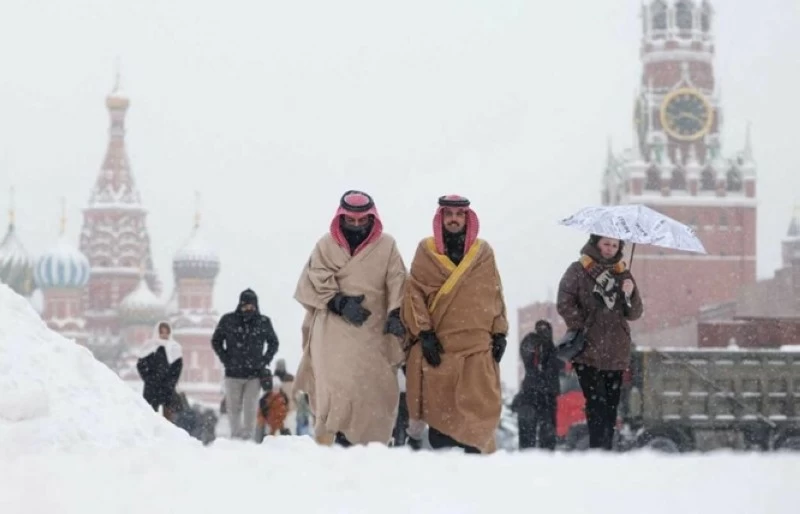
بينما تنخفض الحرارة إلى ما دون الصفر قرب موسكو، ترتفع أصوات الدهشة والضحكات بالعربية في الحدائق الثلجية. زلاجات تجرّها كلاب الهاسكي، وبحيرات متجمدة، ومناطيد تحلّق فوق مساحات بيضاء شاسعة: كل تلك المشاهد لم تعد حكراً على الأوروبيين، بل بات أبطالها سياحاً قادمين من الخليج.
في متنزه «نازارييفو هاسكي بارك» غرب العاصمة الروسية، تتحول التجربة إلى مغامرة كاملة. سائحون من دول خليجية عدة يختبرون للمرة الأولى شتاءً حقيقياً، بعضهم يطعم الغزلان، وآخرون ينطلقون بزوارق هوائية فوق بحيرات متجمدة بسرعة مثيرة.
في تجربة توصف بأنها «تشبه التزلج على الرمال: لكن فوق الجليد»، في مقارنة تختصر الفارق بين بيئة الصحراء وبياض الثلوج الممتد.
ورغم استمرار الحرب الروسية في أوكرانيا للعام الرابع، وابتعاد موسكو عن الغرب، فإن بوصلتها السياحية تتجه أكثر نحو الشرق والجنوب، خصوصا نحو دول الخليج.
تم توسيع الرحلات المباشرة بين روسيا وعواصم خليجية عدة، إلى جانب تسهيلات في أنظمة التأشيرات، ما جعل الوصول أسهل من أي وقت مضى.
والأرقام تعكس التحول:
- 1.64 مليون سائح زاروا روسيا عام 2025
- زيادة بنسبة 4.5% مقارنة بالعام السابق
ورغم أن الأعداد لا تزال أقل من ذروة عام 2018 خلال استضافة كأس العالم، فإن الحضور الخليجي بات ملحوظاً في الفنادق الفاخرة والمطاعم الراقية وشوارع التسوق في موسكو.
السائح الخليجي لا يزور روسيا بميزانية محدودة. فشركات السياحة تؤكد أن متوسط الإنفاق على الخدمات الإضافية يتجاوز 6500 دولار للفرد، وقد يكون أعلى لولا القيود على حمل النقد.
وبسبب العقوبات الغربية، لم تعد بطاقات «فيزا» و«ماستركارد» تعمل داخل روسيا، ما يفرض على الزوار الاعتماد على الدفع النقدي بالكامل، وهو تفصيل قد يبدو صغيراً لكنه جزء من تجربة سياحية مختلفة في زمن التحولات الجيوسياسية.
واليوم، لم تعد روسيا مجرد وجهة تاريخية أو ثقافية، بل أصبحت بالنسبة لكثير من الخليجيين «تجربة شتوية كاملة»؛ من قيادة الزلاجات إلى التحليق فوق الغابات الثلجية.
في وقت تعيد فيه موسكو رسم علاقاتها الدولية، يبدو أن السياحة العربية أصبحت أحد الجسور الجديدة بين روسيا والمنطقة، وهو جسر يبدأ من الرمال الدافئة وينتهي فوق الجليد المتجمد.
As the temperature drops below zero near Moscow, the sounds of amazement and laughter in Arabic rise in the snowy parks. Dog sleds pulled by huskies, frozen lakes, and hot air balloons soaring over vast white expanses: all these scenes are no longer exclusive to Europeans; their heroes have become tourists coming from the Gulf.
At the "Nazariyevo Husky Park" west of the Russian capital, the experience turns into a complete adventure. Tourists from several Gulf countries are experiencing a real winter for the first time; some are feeding deer, while others are racing in airboats over frozen lakes at thrilling speeds.
In an experience described as "like skiing on sand: but on ice," in a comparison that summarizes the difference between the desert environment and the expanse of white snow.
Despite the ongoing war in Ukraine for the fourth year and Moscow's distancing from the West, its tourism compass is increasingly pointing towards the East and South, especially towards the Gulf countries.
Direct flights between Russia and several Gulf capitals have been expanded, along with facilitation in visa systems, making access easier than ever.
The numbers reflect the transformation:
- 1.64 million tourists visited Russia in 2025
- An increase of 4.5% compared to the previous year
Although the numbers are still lower than the peak in 2018 during the World Cup, the Gulf presence has become noticeable in luxury hotels, fine dining restaurants, and shopping streets in Moscow.
The Gulf tourist does not visit Russia on a limited budget. Travel companies confirm that the average spending on additional services exceeds $6,500 per person, and it could be higher were it not for restrictions on carrying cash.
Due to Western sanctions, "Visa" and "MasterCard" cards no longer work inside Russia, forcing visitors to rely entirely on cash payments, a detail that may seem small but is part of a different tourism experience in a time of geopolitical transformations.
Today, Russia is no longer just a historical or cultural destination; for many Gulf nationals, it has become a "complete winter experience"; from driving sleds to soaring over snowy forests.
At a time when Moscow is redefining its international relations, it seems that Arab tourism has become one of the new bridges between Russia and the region, a bridge that starts from warm sands and ends above frozen ice.