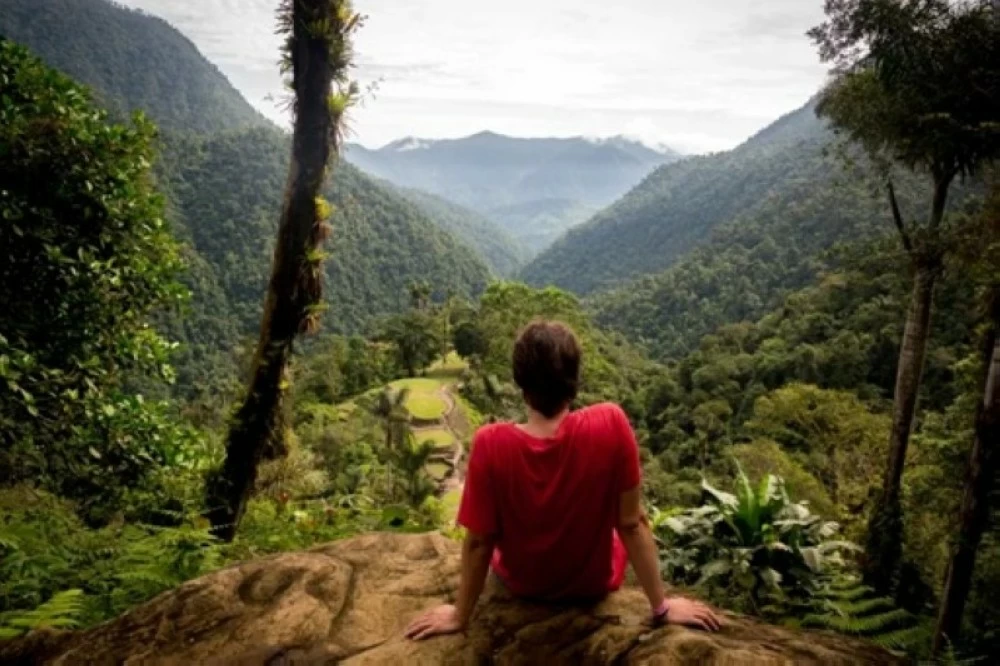
على ارتفاع شاهق، وسط ضباب كثيف وغابات مطيرة تبتلع الضوء، تختبئ واحدة من أكثر قصص أمريكا اللاتينية غموضاً؛ المدينة المفقودة (Ciudad Perdida)، المدينة التي ظلت معزولة عن العالم قروناً كاملة، قبل أن يعثر عليها بالصدفة لصوص يبحثون عن الذهب.
في قلب جبال سييرا نيفادا دي سانتا مارتا شمال كولومبيا، تقف أطلال حجرية شاهدة على حضارة سبقت زمنها. مدينة تأسست قرابة عام 800 ميلادي، أي قبل نحو 600 عام من ماتشو بيتشو في بيرو، لكنها اختارت الاختفاء بدل الشهرة.
حضارة بنَت مدينة في السماء
شيّد شعب حضارة التايرونا هذه المدينة لتكون مركزاً سياسياً ودينياً واقتصادياً نابضاً بالحياة. لم تكن مجرد مستوطنة جبلية، بل شبكة هندسية معقدة من؛
- مدرجات حجرية دائرية فوق المنحدرات.
- سلالم ضخمة أشهرها درج من نحو 1200 درجة.
- مسارات تربط بين المساحات السكنية والطقسية.
- أنظمة متقدمة لتصريف المياه والزراعة الجبلية.
- مهارة لافتة في صناعة الذهب والفخار.
كل ذلك في بيئة وعرة، دون أدوات حديثة، في تناغم مذهل مع الطبيعة.
لماذا «مفقودة»؟
لم تكن المدينة مجهولة للجميع. فقبائل أصلية مثل كوغي وأرهواكو وويوا كانت تعرف موقعها وتعتبرها أرضاً مقدسة.
لكن بالنسبة للعالم الخارجي، اختفت تماماً خلف ستار الغابات الاستوائية الكثيفة، وصعوبة التضاريس، وغياب الطرق. حتى الاستعمار الإسباني تجاهلها مفضلاً السواحل على الجبال، فبقيت ألف عام في عزلة خضراء.
وفي عام 1972، كسر الصمت لصوص آثار يُعرفون بـ«غواكيروس» عثروا على الموقع أثناء البحث عن كنوز، وبدأت قطع ذهبية نادرة تتسرب إلى السوق السوداء.
الصدمة دفعت السلطات للتحرك، وفي 1976 بدأ علماء الآثار الكولومبيون أعمال التنظيف والتوثيق، وأُعلن الاسم الذي سيشعل فضول العالم: «المدينة المفقودة».
الوصول إلى المدينة ليس نزهة. فلا طرق معبدة، ولا سيارات، ولا إشارات.
الرحلة تبدأ من مدينة سانتا مارتا، مروراً بقرية «إل مامي»، ثم 4 إلى 5 أيام من المشي عبر:
- غابات مطيرة كثيفة.
- أنهار يجب عبورها سيراً.
- مرتفعات طينية زلقة.
- وأخيراً، صعود 1200 درجة حجرية نحو القمة.
ولا يسمح بالدخول إلا ضمن جولات منظمة وبوجود مرشدين معتمدين، احتراماً لقدسية المكان وحمايته.
أكثر من موقع أثري
بالنسبة للسكان الأصليين، ليست مجرد أطلال. إنها مركز روحي حيّ، ورمز لفلسفة التوازن بين الإنسان والطبيعة.
وتُعد المنطقة نفسها من أكثر مناطق العالم تنوعاً بيولوجياً، وتُوصف بأنها أعلى سلسلة جبلية ساحلية في العالم.
لماذا تبهر العالم؟
- أقدم من أشهر مواقع أمريكا اللاتينية.
- قصة اكتشاف درامية بدأت بالنهب.
- مغامرة حقيقية بعيداً عن السياحة التجارية.
- تواصل مباشر مع ثقافات أصلية لا تزال حية.
وفي زمن تتسابق المدن نحو الأضواء، اختارت هذه المدينة أن تبقى صامتة ألف عام.
واليوم، من يصعد درجاتها الحجرية لا يزور أطلالاً فقط، بل يعبر الزمن إلى حضارة عرفت كيف تبني، وكيف تختفي.
At a towering height, amidst thick fog and rainforests that swallow light, one of the most mysterious stories of Latin America hides; the Lost City (Ciudad Perdida), a city that remained isolated from the world for centuries before being discovered by thieves searching for gold.
In the heart of the Sierra Nevada de Santa Marta mountains in northern Colombia, the stone ruins stand as a testament to a civilization that preceded its time. A city founded around 800 AD, nearly 600 years before Machu Picchu in Peru, but it chose to disappear instead of seeking fame.
A Civilization That Built a City in the Sky
The Tayrona civilization built this city to be a vibrant political, religious, and economic center. It was not just a mountain settlement, but a complex engineering network of;
- Circular stone terraces on the slopes.
- Massive staircases, the most famous of which has about 1200 steps.
- Paths connecting residential and ceremonial areas.
- Advanced systems for water drainage and mountain agriculture.
- Remarkable skill in gold and pottery making.
All of this in a rugged environment, without modern tools, in a stunning harmony with nature.
Why "Lost"?
The city was not unknown to everyone. Indigenous tribes such as the Kogi, Arhuaco, and Wiwa knew its location and considered it a sacred land.
But to the outside world, it completely vanished behind a curtain of dense tropical forests, difficult terrain, and the absence of roads. Even the Spanish colonization ignored it, preferring the coasts over the mountains, leaving it in a green isolation for a thousand years.
In 1972, the silence was broken by treasure thieves known as "Guachimanes" who discovered the site while searching for treasures, and rare gold pieces began to seep into the black market.
The shock prompted authorities to take action, and in 1976, Colombian archaeologists began cleanup and documentation work, and the name that would ignite the world's curiosity was announced: "the Lost City."
Accessing the city is not a stroll. There are no paved roads, no cars, and no signs.
The journey begins from the city of Santa Marta, passing through the village of "El Mamey," followed by 4 to 5 days of walking through:
- Dense rainforests.
- Rivers that must be crossed on foot.
- Slippery muddy slopes.
- And finally, climbing 1200 stone steps to the summit.
Entry is only allowed within organized tours and in the presence of certified guides, in respect for the sanctity of the place and its protection.
More Than an Archaeological Site
For the indigenous people, it is not just ruins. It is a living spiritual center and a symbol of the philosophy of balance between humanity and nature.
The area itself is considered one of the most biologically diverse regions in the world and is described as the highest coastal mountain range in the world.
Why Does It Captivate the World?
- Older than the most famous sites in Latin America.
- A dramatic discovery story that began with looting.
- A true adventure far from commercial tourism.
- Direct connection with indigenous cultures that are still alive.
In an era where cities race towards the spotlight, this city chose to remain silent for a thousand years.
Today, those who climb its stone steps do not just visit ruins; they traverse time to a civilization that knew how to build and how to disappear.