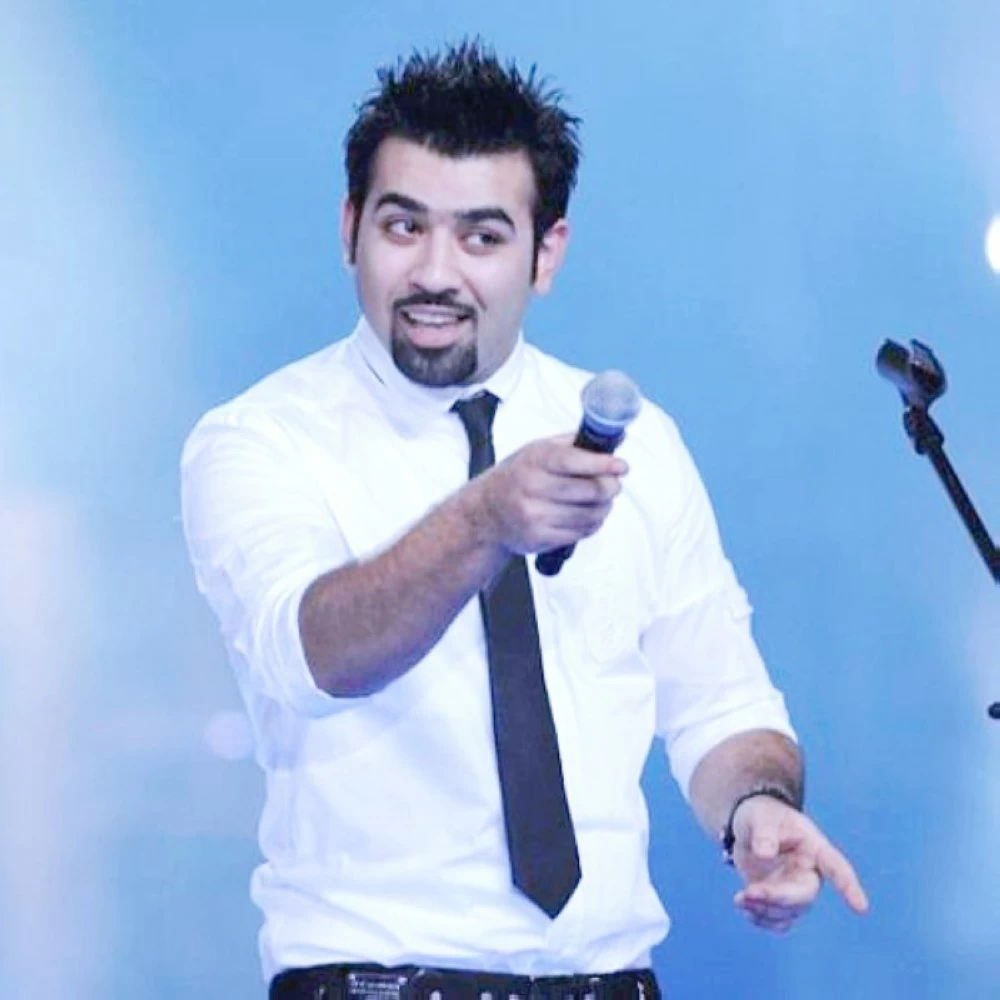
لم تعد الأغنية في المشهد الخليجي مجرّد تقليدٍ موسمي عابر، بل تحوّلت في تجاربها الحديثة إلى علامةٍ وجدانية تتجدّد مع كل عام، وتعيد تشكيل علاقة المستمع بروح الشهر الكريم وإيقاعه الخاص. وفي قلب هذا التحوّل برز لحن نجم «ستار أكاديمي» بشار الشطي في أغنية «مرحب مرحب يا هلال»، بوصفه العمل الذي رسّخ حضوره خلال السنوات الأخيرة حتى غدا أيقونةً رمضانيةً ثابتة في ذاكرة الجمهور العربي، بصوت حمود الخضر، وكلمات هبة مشاري.
هذا الحضور المتجدّد لا يقف عند حدود النجاح الجماهيري، بل يفتح باب المقارنة مع زمنٍ سابقٍ كانت فيه الأغنية جزءاً أصيلاً من مشروع الروّاد في الموسيقى السعودية، حيث قدّم سراج عمر وطارق عبدالحكيم أعمالاً متعددة صاغت وجدان الشهر الكريم بلغة المقام والإنشاد، في سردٍ تاريخي يكشف كيف تغيّرت الأدوات وتبدّلت النجومية، بينما ظلّ البحث عن اللحن الخالد هو القاسم المشترك بين زمنين.
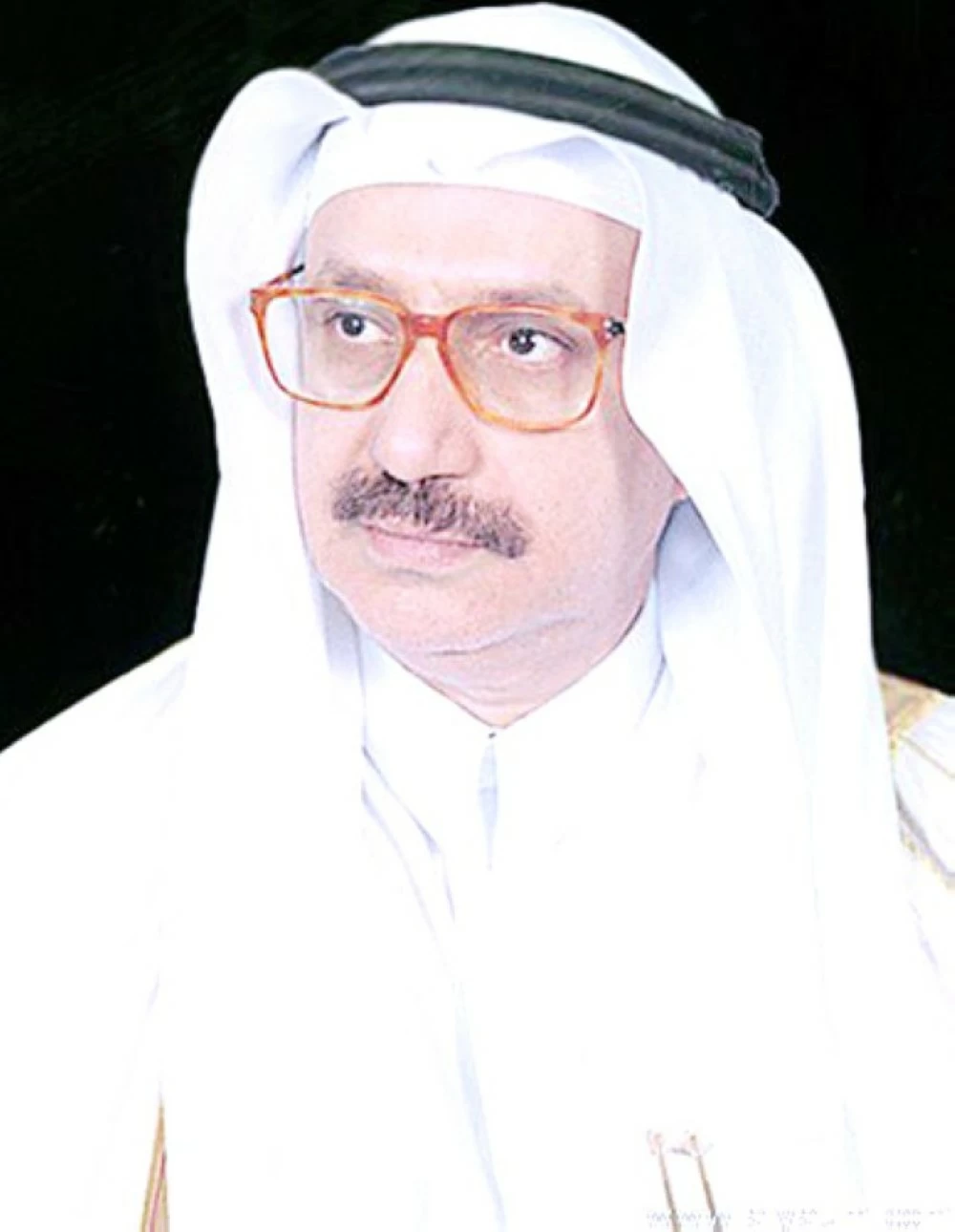
في التجربة الغنائية السعودية يندر أن يقترن اسم موسيقارٍ بموسمٍ روحي كما اقترن اسم الموسيقار الراحل سراج عمر برمضان؛ لا بوصفه ملحناً عابراً قدّم عملاً أو عملين، بل باعتباره صوتاً جعل من الشهر الكريم فضاءً دائماً للبحث الموسيقي والتأمل اللحني، حتى بدا حضوره في الأغاني والأناشيد الرمضانية امتداداً طبيعياً لمسيرته الفنية، لا فصلاً منفصلاً عنها.
يمتد الرصيد الرمضاني المرتبط بألحان سراج عمر عبر مجموعة أعمال تحمل سماتٍ مشتركة في البناء اللحني والهوية الفنية له؛ منها: «شهر الصيام» و«يا ليالي رمضان» و«شهر التقى»، التي شكّل فيها مع الشاعر الأديب الراحل أحمد باعطب ثنائية خاصة حيث غنّاها جميعها بنفسه، إلى جانب «هنيئاً هنيئاً» بوصفه آخر عملٍ لحّنه وغنّاه مع الشاعر الراحل ضمن السياق الرمضاني.
كما غنّى «يا فرحنا برمضان» من كلمات صديقه الكاتب الراحل محمد رجب، وقدّم لحن «تحية رمضان» بكلمات صالح أبو زيد، وغناء خالد مدني.
وفي سياق الأغاني ذاتها، برز حضور الموسيقار الراحل طارق عبدالحكيم عبر عددٍ من الأعمال التي جمع فيها بين التلحين والغناء، من بينها نشيد «نور الهدى برمضان» بكلمات سعيد الهندي، وألحان وغناء طارق عبدالحكيم، ضمن بنيةٍ لحنية تتكئ على المقام الشرقي والإيقاع الجماعي في الأداء الكورالي، بما يعكس طبيعة المعالجة الموسيقية التي ميّزت أعماله في هذا اللون الروحي.
كما برزت عدة أسماء فنية بتقديم أعمالٍ غنائية تعبّر عن وجدان الشهر الكريم، حيث يظهر اسم محمود خان مقروناً بنشيد «آنست وهليت يا رمضان»، وعبدالقادر حلواني، وسمير الوادي، ومحمد عمر، وغيرهم.
تعكس هذه الأعمال مجتمعة حضوراً متكرراً لرواد الفن السعودي في الأغنية والأنشودة، وهو حضور يشير إلى اهتمامٍ فني مستمر بهذا المسار داخل تجربتهم الموسيقية في تلك الحقبة على نقيض جيل اليوم الذي سلّم الراية للجهات التجارية أو القنوات التي تصدت لهذا الدور بالترويج لعلامتها التجارية بفواصل غنائية دعائية، كما هو الحال مع أغنية ماجد المهندس «رجعتك يا رمضان»، التي اليوم هي في قلب المشهد الرمضاني أيضاً، وضمن الأكثر رواجاً وارتباطاً برمضان.
The song is no longer just a fleeting seasonal tradition in the Gulf scene; rather, it has transformed in its modern experiences into an emotional symbol that renews itself with each year, reshaping the listener's relationship with the spirit of the holy month and its unique rhythm. At the heart of this transformation stands the melody of "Star Academy" star Bashar Al-Shatti in the song "Marhaban Marhaban Ya Hilal," which has solidified its presence over recent years to become a constant Ramadan icon in the memory of the Arab audience, with the voice of Hamoud Al-Khadr and the lyrics of Hiba Mishari.
This renewed presence does not stop at the limits of popular success; it opens the door for comparison with a previous time when the song was an integral part of the pioneering project in Saudi music. During that time, Siraj Omar and Tarek Abdulhakim presented multiple works that shaped the spirit of the holy month through the language of maqam and chanting, in a historical narrative that reveals how tools changed and stardom shifted, while the search for the eternal melody remained the common denominator between the two eras.
In the Saudi singing experience, it is rare for a musician's name to be associated with a spiritual season as closely as the late musician Siraj Omar's name is with Ramadan; not as a transient composer who presented one or two works, but as a voice that made the holy month a permanent space for musical exploration and melodic contemplation, to the extent that his presence in Ramadan songs and chants seemed a natural extension of his artistic journey, rather than a separate chapter.
The Ramadan legacy associated with Siraj Omar's melodies extends through a collection of works that share common characteristics in melodic structure and artistic identity; among them are: "Shahr Al-Siyam," "Ya Layali Ramadan," and "Shahr Al-Taqwa," in which he formed a special duo with the late poet Ahmed Ba'ath, having sung them all himself, alongside "Hani'an Hani'an" as the last work he composed and sang with the late poet within the Ramadan context.
He also sang "Ya Farahna bi-Ramadan" with lyrics by his late friend, writer Mohamed Rajab, and presented the melody "Tahiya Ramadan" with words by Saleh Abu Zaid, sung by Khalid Madani.
In the context of the same songs, the late musician Tarek Abdulhakim's presence emerged through several works where he combined composition and singing, including the anthem "Noor Al-Huda bi-Ramadan" with lyrics by Said Al-Hindi, and the melodies and singing of Tarek Abdulhakim, within a melodic structure that leans on Eastern maqam and collective rhythm in choral performance, reflecting the nature of the musical treatment that characterized his works in this spiritual genre.
Several artistic names also emerged by presenting songs that express the spirit of the holy month, where the name Mahmoud Khan is associated with the anthem "Anast Wahalit Ya Ramadan," along with Abdulqader Halwani, Samir Al-Wadi, Mohamed Omar, and others.
These works collectively reflect a recurring presence of pioneers of Saudi art in song and anthem, a presence that indicates a continuous artistic interest in this path within their musical experience during that era, in contrast to today's generation, which has handed over the baton to commercial entities or channels that have taken on this role by promoting their brand through advertising musical intervals, as is the case with Majid Al-Muhandis's song "Raja'tak Ya Ramadan," which today is also at the heart of the Ramadan scene and among the most popular and associated with Ramadan.