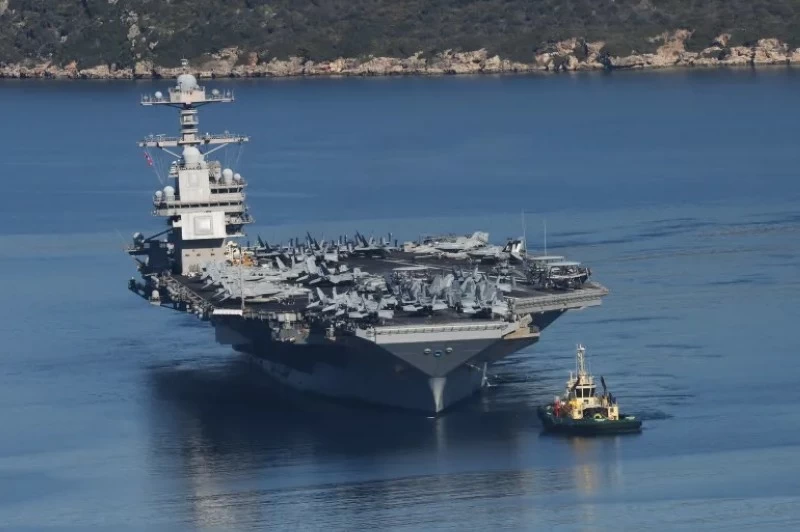
كشفت صحيفة «هآرتس» الإسرائيلية، أن حالة «التأهب القصوى» التي تفرضها الولايات المتحدة وإسرائيل في منطقة الشرق الأوسط، ترقبا لمواجهة عسكرية محتملة مع إيران، بدأت تفرض أعباء مالية باهظة.
حشد عشرات الآلاف من الجنود
وقالت إن فاتورة 6 أسابيع من الانتظار تجاوزت عتبة المليار دولار للجانب الأمريكي وحده، وسط استنزاف مماثل في الجانب الإسرائيلي.
وأفادت بأن تشغيل حاملة طائرات واحدة يكلف نحو 10 ملايين دولار يوميا.
ونقلت عن رئيس مجموعة تي إس جي المتخصصة في أنظمة الدفاع بيني يونغمان قوله: «إن الأمريكيين وصلوا بقوات كبيرة للدفاع عن أنفسهم والمساعدة في الدفاع عنا، وقد حشدوا عشرات الآلاف من جنود الاحتياط لهذا الهدف».
ورأت أن هذا الإنفاق الضخم سيصعب على الرئيس الأمريكي دونالد ترمب التراجع دون تحقيق «إنجاز ملموس».
ولفت التقرير إلى أن حاملة الطائرات الضخمة مثل «يو إس إس جيرالد فورد» 5 آلاف فرد يتقاضون رواتبهم، وتشغيلها في ميدان العمليات يزيد التكاليف بسبب ساعات الطيران والتدريبات المكثفة.
وبحسب التقرير، سيصعّب هذا الإنفاق الضخم على الرئيس الأمريكي دونالد ترمب التراجع دون تحقيق «إنجاز ملموس»، سواء عبر ضربة عسكرية أو اتفاق سياسي شامل، خصوصا أن البحارة الأمريكيين بدأوا بالتململ من ظروف عملهم الغامضة.
ضريبة التأهب الشتوي
وأفادت هآرتس بأن المؤسسة الأمنية بدأت في المطالبة بزيادة الميزانية لتغطية تكاليف الاستنفار وصيانة الأنظمة.
ونقلت تعليق ران كوخاف -ضابط احتياط إسرائيلي برتبة عميد قاد منظومة الدفاع الجوي بين 2018 و2021- بأن الظروف الحالية تختلف كليا عن الحرب مع إيران في يونيو العام الماضي.
ولفت كوخاف إلى أن إسرائيل لا تعلم متى قد تضرب طهران، وإذا ما كان حزب الله وجماعة الحوثي سيشاركون، ومتى قد تتخذ واشنطن قرار ضرب إيران. واعتبرت أن التحدي الحالي يكمن في الحفاظ على استمرارية تشغيل الرادارات وأنظمة المراقبة التي تعمل بكامل طاقتها منذ نحو ألف يوم.
وقال إن التحدي الحالي يكمن في الحفاظ على استمرارية تشغيل الرادارات وأنظمة المراقبة التي تعمل بكامل طاقتها منذ نحو ألف يوم، في ظل كل هذه العوامل الغامضة، كما أشار إلى أن فصل الشتاء سيزيد من صعوبة عمليات المراقبة.
وحذر يونغمان بدوره من تزايد الكلفة اللوجستية مع الأيام القادمة، موضحا أنه الأنظمة تعمل طوال الوقت وبالتالي فهي في حاجة إلى صيانة مستمرة، كما أن هناك حاجة لأخذ الخدمات اللوجستية في الحسبان، من الغذاء إلى قطع الغيار ووقود المولدات.
وعلى الرغم من جمود الوضع الحالي، يواصل آلاف الجنود الإسرائيليين في أطقم الطيران والاستخبارات والدفاع الجوي تقاضي رواتبهم عن أيام الخدمة الاحتياطية، ما يمثل تكلفة مالية كبيرة بحسب الصحيفة.
سيناريوهات التصعيد
وتناول التقرير سيناريوهات التصعيد، مستندا إلى رأي كبير الباحثين في معهد دراسات الأمن القومي، يهوشوا كاليسكي، الذي أشار إلى أن التقديرات الإسرائيلية تفيد بأن الإيرانيين أعادوا إحياء برنامجهم الصاروخي وربما قاموا بتطويره بصواريخ أسرع وبحمولات أثقل منذ العام الماضي.
وحسب التقرير، فإن المفاجآت ممكنة، مثل أنواع الصواريخ التي قد يطلقها الإيرانيون علينا، وأعتقد أيضا أن الإيرانيين لديهم دفاع جوي ممتاز.
وحذر كاليسكي من أن تراكم الضغوطات قد يؤدي إلى نتائج كارثية، وإذا ما اضطرت طهران فقد تستهدف حاملات الطائرات الأمريكية، ما قد يكسر الجمود الحالي، ويفتح الباب أمام حرب مكلفة.
The Israeli newspaper "Haaretz" revealed that the "maximum alert" status imposed by the United States and Israel in the Middle East, in anticipation of a potential military confrontation with Iran, has begun to impose heavy financial burdens.
Mobilization of tens of thousands of soldiers
It stated that the bill for six weeks of waiting has exceeded the billion-dollar threshold for the American side alone, amid similar strains on the Israeli side.
It reported that operating a single aircraft carrier costs about 10 million dollars a day.
It quoted Benny Youngman, head of the TSG group specializing in defense systems, as saying: "The Americans have arrived with large forces to defend themselves and help defend us, and they have mobilized tens of thousands of reservists for this purpose."
It noted that this massive spending will make it difficult for U.S. President Donald Trump to back down without achieving a "tangible accomplishment."
The report pointed out that a massive aircraft carrier like the "USS Gerald Ford" has 5,000 personnel on payroll, and operating it in the field increases costs due to flight hours and intensive training.
According to the report, this massive spending will complicate matters for U.S. President Donald Trump to retreat without achieving a "tangible accomplishment," whether through a military strike or a comprehensive political agreement, especially since American sailors have begun to express discontent over their ambiguous working conditions.
Winter readiness tax
Haaretz reported that the security establishment has begun to demand an increase in the budget to cover the costs of mobilization and system maintenance.
It quoted comments from Ran Kochav, an Israeli reserve officer with the rank of brigadier general who led the air defense system between 2018 and 2021, stating that the current conditions are completely different from the war with Iran in June of last year.
Kochav pointed out that Israel does not know when Tehran might strike, whether Hezbollah and the Houthis will participate, and when Washington might decide to strike Iran. He considered that the current challenge lies in maintaining the continuous operation of radars and monitoring systems that have been operating at full capacity for about a thousand days.
He stated that the current challenge lies in maintaining the continuous operation of radars and monitoring systems that have been operating at full capacity for about a thousand days, amidst all these ambiguous factors, and he noted that winter will increase the difficulty of monitoring operations.
Youngman, for his part, warned of rising logistical costs in the coming days, explaining that the systems operate all the time and thus require continuous maintenance, and there is a need to consider logistical services, from food to spare parts and fuel for generators.
Despite the current stagnation, thousands of Israeli soldiers in aviation, intelligence, and air defense continue to receive their salaries for reserve service days, representing a significant financial cost according to the newspaper.
Escalation scenarios
The report addressed escalation scenarios, relying on the opinion of a senior researcher at the National Security Studies Institute, Yehoshua Kalisky, who indicated that Israeli estimates suggest that the Iranians have revived their missile program and may have developed it with faster missiles and heavier payloads since last year.
According to the report, surprises are possible, such as the types of missiles that the Iranians may launch against us, and I also believe that the Iranians have excellent air defense.
Kalisky warned that the accumulation of pressures could lead to catastrophic results, and if Tehran is forced, it may target American aircraft carriers, which could break the current stalemate and open the door to an expensive war.