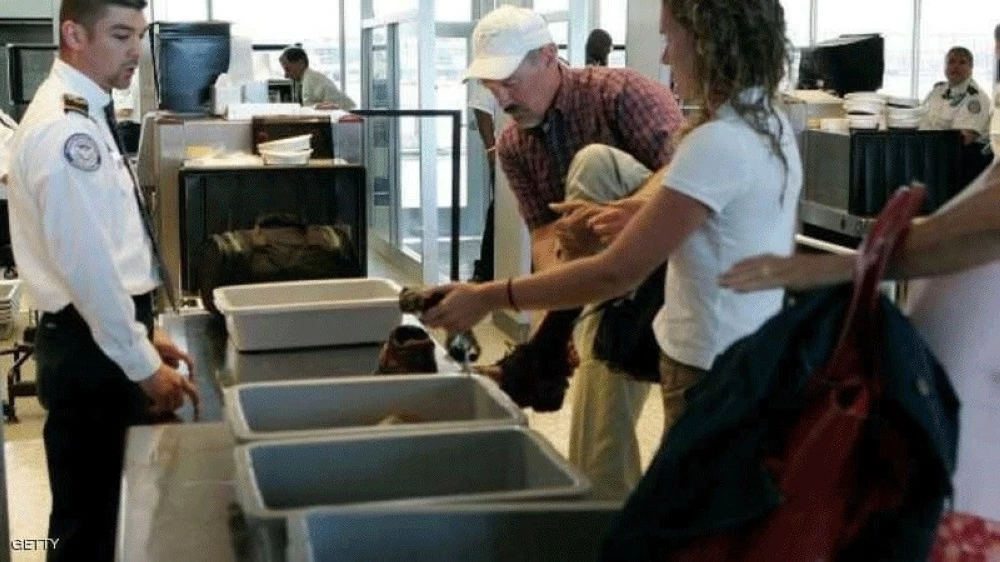
أصبحت تجربة السفر الجوي مليئة بالمفاجآت، ومن أبرزها ما يعرف بـ«التفتيش الإضافي» في المطارات، الذي يشعر بعض المسافرين أنه يستهدفهم بشكل متكرر دون سبب واضح. وبين الحماية الأمنية والتعرض لشعور بالترصد، يبحث الركاب عن إجابة واضحة: لماذا يقع بعضهم تحت دائرة الفحص بينما يمر الآخرون بسلاسة؟
وفي تصريح إعلامي، كشف مسؤول أمني في مطار دولي أن التفتيش العشوائي ليس عشوائياً بالكامل، بل يعتمد على أنظمة تقييم دقيقة تحلل بيانات الحجز والسفر. ومن أبرز المؤشرات التي تزيد احتمالية التفتيش:
- شراء التذكرة نقداً أو في اللحظة الأخيرة قبل الرحلة.
- عدد الأمتعة الكبير أو الأمتعة غير المعتادة.
- مسار الرحلة مروراً بدول مصنفة أمنياً أو مناطق نزاع.
- السفر المتكرر أو الغريب بالنسبة للراكب.
كل هذه المعايير تُترجم إلى «درجة مخاطرة» أعلى، ما يرفع احتمالية إخضاع المسافر لفحص إضافي.
كما أن التوتر أو الإجابات غير الواضحة أثناء التفتيش، أو تشابه الاسم مع شخص موجود على قوائم المراقبة، والانتماء لبعض الجنسيات أو جوازات السفر الخاصة، أو امتلاك معدات غير مألوفة قد تدفع موظفي الأمن لتوسيع نطاق التفتيش.
ويعتبر التفتيش العشوائي قانونياً ومعتمداً عالمياً، طالما يُنفذ وفق معايير منظمة الطيران المدني الدولي، ويجب أن يحترم الكرامة الإنسانية وحقوق المسافر، مع منع أي استهداف قائم على العرق أو الدين أو الجنسية.
ولتقليل احتمالية التعرض للفحص، ينصح الخبراء بالوصول مبكراً، وترتيب الأمتعة بشكل منظم، والإجابة بهدوء ووضوح عن أسئلة موظفي الأمن، والتأكد من تطابق بيانات الحجز مع جواز السفر.
وفي حال الشعور بأن التفتيش أصبح استهدافاً متكرراً أو مهيناً، يحق للراكب توثيق الواقعة، وتسجيل اسم الموظف أو رقمه، وتقديم شكوى رسمية لدى إدارة المطار، أو شركة الطيران، أو جهات مكافحة التمييز، مع الالتزام بعدم التصوير داخل المناطق الأمنية لتجنب المخالفات القانونية.
The experience of air travel has become full of surprises, one of the most notable being what is known as "additional screening" at airports, which some travelers feel targets them repeatedly without a clear reason. Between security protection and the feeling of being monitored, passengers seek a clear answer: why are some subjected to scrutiny while others pass through smoothly?
In a media statement, a security official at an international airport revealed that random screening is not entirely random; it relies on precise evaluation systems that analyze booking and travel data. Among the most prominent indicators that increase the likelihood of screening are:
- Purchasing the ticket in cash or at the last minute before the flight.
- A large amount of luggage or unusual baggage.
- The flight route passing through security-classified countries or conflict areas.
- Frequent or unusual travel patterns for the passenger.
All these criteria translate into a higher "risk score," which increases the likelihood of subjecting the traveler to additional screening.
Additionally, tension or unclear answers during screening, having a name similar to someone on watch lists, belonging to certain nationalities or specific passports, or possessing unfamiliar equipment may prompt security personnel to expand the scope of the screening.
Random screening is considered legal and globally accepted, as long as it is carried out according to the standards of the International Civil Aviation Organization, and it must respect human dignity and the rights of travelers, while preventing any targeting based on race, religion, or nationality.
To reduce the likelihood of being subjected to screening, experts advise arriving early, organizing luggage neatly, responding calmly and clearly to security personnel's questions, and ensuring that booking information matches the passport.
If a passenger feels that screening has become a repeated or humiliating targeting, they have the right to document the incident, record the employee's name or number, and file an official complaint with the airport management, the airline, or anti-discrimination agencies, while adhering to the prohibition of photography in security areas to avoid legal violations.