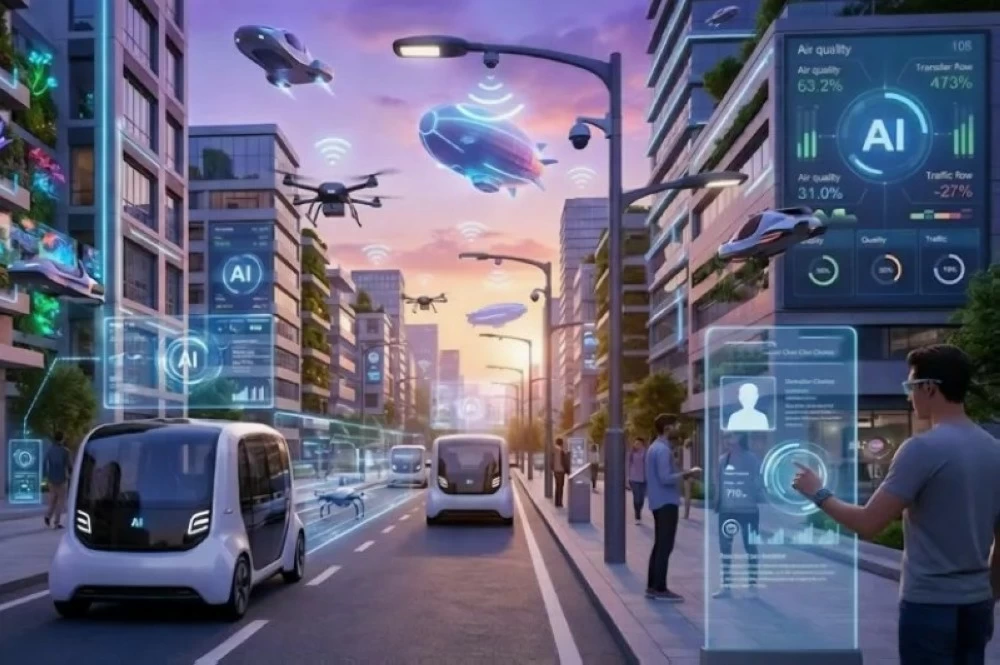
يعيش العالم اليوم ثورة تكنولوجية غير مسبوقة، يقودها الذكاء الاصطناعي AI وإنترنت الأشياء IoT، اللذان لم يقتصرا على تطوير الأجهزة، بل أعادا رسم الطريقة التي نعيش ونتفاعل بها مع بيئتنا اليومية.
الذكاء الاصطناعي يعتمد على تحليل كميات هائلة من البيانات عبر خوارزميات التعلم الآلي والتعلم العميق، لتحسين التنبؤات واتخاذ القرارات. بينما تشكل أجهزة إنترنت الأشياء شبكة مترابطة من الأجهزة الذكية: من الهواتف المنزلية إلى السيارات المتصلة، قادرة على جمع البيانات ومعالجتها ومشاركتها في الوقت الفعلي.
وعند دمج AI مع IoT، تتحول هذه الشبكات إلى منظومات ذكية تتخذ قرارات دقيقة في الوقت الفعلي، مما يزيد من كفاءة المدن الذكية، وتحسين إدارة حركة المرور، وتوفير الطاقة، وتقليل التلوث.
في الرعاية الصحية، توفر الأجهزة الذكية بيانات حيوية عن المرضى، مثل معدل ضربات القلب ومستوى الأكسجين وضغط الدم، ويحلل الذكاء الاصطناعي هذه البيانات لتقديم تنبؤات دقيقة عن الأمراض، وتخصيص العلاجات، وتحسين جودة الرعاية الصحية.
أما في الزراعة الذكية، فيتم جمع معلومات عن التربة والمناخ والمحاصيل لتحسين الإنتاجية وخفض التكاليف، مع توصيات دقيقة حول الري والحصاد. وفي الصناعة الذكية، تتنبأ الأنظمة الذكية بالأعطال قبل حدوثها، وتزيد من كفاءة الإنتاج، وتحسن سلسلة الإمداد، ما يقلل التكاليف ويعزز الأرباح.
لكن هذه الثورة التقنية ليست بلا تحديات:
الأمن السيبراني: كمية البيانات الضخمة تزيد من مخاطر الهجمات الإلكترونية وتسريب المعلومات الحساسة.
الخصوصية: جمع بيانات شخصية حساسة يتطلب حماية صارمة لتجنب الاستغلال.
إدارة البيانات: الحاجة إلى استراتيجيات فعالة لتحليل وتنظيم الكم الهائل من المعلومات.
سوق العمل: تحول الوظائف التقليدية قد يؤدي إلى فجوة بين المهارات الحالية والمطلوبة.
رغم هذه التحديات، يفتح دمج AI وIoT آفاقاً اقتصادية واجتماعية هائلة، من خلق فرص عمل جديدة، وتحفيز النمو الاقتصادي المستدام، إلى تحسين جودة الخدمات العامة من خلال التعاون بين القطاعين العام والخاص.
ويمكن القول إن دمج الذكاء الاصطناعي وإنترنت الأشياء ليس مجرد تقنية، بل ثورة شاملة تعيد تشكيل حياتنا اليومية، وتمنح العالم فرصاً اقتصادية هائلة، مع ضرورة التعامل بحذر مع التحديات المصاحبة لضمان مستقبل مستدام وآمن.
The world today is experiencing an unprecedented technological revolution, led by Artificial Intelligence (AI) and the Internet of Things (IoT), which have not only developed devices but have also redefined the way we live and interact with our daily environment.
Artificial Intelligence relies on analyzing vast amounts of data through machine learning and deep learning algorithms to improve predictions and decision-making. Meanwhile, IoT devices form an interconnected network of smart devices: from home phones to connected cars, capable of collecting, processing, and sharing data in real-time.
When AI is integrated with IoT, these networks transform into intelligent systems that make precise real-time decisions, enhancing the efficiency of smart cities, improving traffic management, conserving energy, and reducing pollution.
In healthcare, smart devices provide vital data about patients, such as heart rate, oxygen levels, and blood pressure, and AI analyzes this data to deliver accurate disease predictions, customize treatments, and improve the quality of healthcare.
In smart agriculture, information about soil, climate, and crops is collected to enhance productivity and reduce costs, with precise recommendations on irrigation and harvesting. In smart industry, intelligent systems predict failures before they occur, increase production efficiency, and improve supply chains, reducing costs and boosting profits.
However, this technological revolution is not without challenges:
Cybersecurity: The vast amount of data increases the risks of cyberattacks and the leakage of sensitive information.
Privacy: Collecting sensitive personal data requires strict protection to avoid exploitation.
Data management: There is a need for effective strategies to analyze and organize the massive amounts of information.
Labor market: The shift in traditional jobs may lead to a gap between current skills and those required.
Despite these challenges, the integration of AI and IoT opens up enormous economic and social horizons, from creating new job opportunities and stimulating sustainable economic growth to improving the quality of public services through collaboration between the public and private sectors.
It can be said that the integration of artificial intelligence and the Internet of Things is not just a technology but a comprehensive revolution that reshapes our daily lives and offers the world tremendous economic opportunities, while necessitating careful handling of the accompanying challenges to ensure a sustainable and secure future.