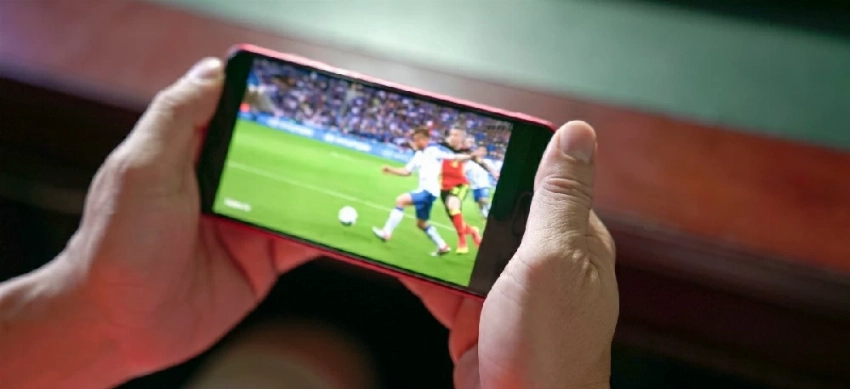
تستعد شبكة الإنترنت العالمية لواحدة من أكبر موجات الضغط في تاريخها، مع دخول كأس العالم 2026 مرحلة الذروة، حيث تشير التقديرات إلى أن 7% من حركة الإنترنت حول العالم سيستهلكها المشاهدون وحدهم، في حدث رياضي يضم خمسة مليارات مشجع ويُعد الأضخم من حيث المتابعة والانتشار والتفاعل الرقمي.
ففي نسخة تُوصف بأنها الأكبر والأوسع والأكثر حضوراً، تتوقع التقارير أن تستهلك البطولة 90 بيتابايت من البيانات؛ أي ما يعادل 45 ضعفاً مقارنة بكأس العالم 2022 في قطر. ومع 104 مباريات تُقام في ثلاث دول؛ بينها 78 مباراة في الولايات المتحدة، تبدو البنية الرقمية العالمية أمام اختبار غير مسبوق.
وتشير صحيفة (موندو أمريكا) إلى أن كأس العالم 2026 أصبحت الحدث الرياضي الأكثر مشاهدة وزيارة في التاريخ، متجاوزاً الألعاب الأولمبية والسوبر بول وكأس العالم للكريكيت؛ فعدد مشجعي كرة القدم حول العالم يصل إلى خمسة مليارات شخص؛ أي أن ستة من كل عشرة أشخاص على الأرض يعرّفون أنفسهم كمشجعين للعبة، ما يفسر اندفاع المستثمرين وصناديق الاستثمار نحو امتلاك حصص في الدوريات الأوروبية الكبرى والأندية العالمية.
وتكشف الأرقام أن البطولة تستضيف 7.2 مليون مشجع في الملاعب، مقارنة بـ3.4 مليون فقط في نسخة قطر، بينما تمثل الدول الـ48 المشاركة 27% من سكان العالم و62% من الاقتصاد العالمي. وتشير دراسات الـ(فيفا) إلى أن كأس العالم 2026 سيؤثر على الاقتصاد العالمي بنحو 41 مليار دولار، وسيخلق 800 ألف وظيفة، اثنتان من كل عشر منها في الولايات المتحدة.
ولا يقتصر تأثير البطولة على الاقتصاد الرياضي فحسب، بل يمتد إلى قطاعات الطيران، والمشروبات، والملابس الرياضية، والمطاعم، والبث التلفزيوني، ووسائل التواصل الاجتماعي، وحتى المراهنات الإلكترونية. كما يتوقع أن ترتفع أسعار الفنادق في الولايات المتحدة بنسبة 1% خلال يونيو بسبب البطولة، مع زيادات أكبر في المدن المستضيفة.
وتشير بيانات بنك (أوف أمريكا) إلى أن صناعة الرياضة العالمية حققت إيرادات بلغت 2.3 تريليون دولار العام الماضي؛ ما يجعلها عاشر أكبر اقتصاد في العالم، ومن المتوقع أن تتجاوز 3.7 تريليون دولار بحلول 2030. أما كرة القدم الأوروبية فقد سجلت إيرادات بلغت 620 مليون يورو عام 2025، جاء أقل من 20% منها من مبيعات التذاكر، بينما استحوذت حقوق البث والصفقات التجارية على النصيب الأكبر.
The global internet is preparing for one of the largest pressure waves in its history, as the 2026 World Cup reaches its peak stage, with estimates indicating that 7% of internet traffic worldwide will be consumed by viewers alone, in a sporting event that includes five billion fans and is considered the largest in terms of viewership, reach, and digital interaction.
In a version described as the largest, widest, and most attended, reports expect the tournament to consume 90 petabytes of data; equivalent to 45 times compared to the 2022 World Cup in Qatar. With 104 matches taking place in three countries, including 78 matches in the United States, the global digital infrastructure appears to be facing an unprecedented test.
The newspaper (Mundo América) indicates that the 2026 World Cup has become the most-watched and visited sporting event in history, surpassing the Olympics, the Super Bowl, and the Cricket World Cup; the number of football fans worldwide reaches five billion people; meaning that six out of ten people on Earth identify themselves as fans of the game, which explains the rush of investors and investment funds towards owning stakes in major European leagues and global clubs.
Figures reveal that the tournament will host 7.2 million fans in the stadiums, compared to only 3.4 million in the Qatar edition, while the 48 participating countries represent 27% of the world's population and 62% of the global economy. FIFA studies indicate that the 2026 World Cup will impact the global economy by about $41 billion and will create 800,000 jobs, two out of every ten of which will be in the United States.
The impact of the tournament is not limited to the sports economy alone, but extends to the aviation, beverages, sportswear, restaurants, television broadcasting, social media, and even online betting sectors. Hotel prices in the United States are expected to rise by 1% in June due to the tournament, with larger increases in host cities.
Data from Bank of America indicates that the global sports industry generated revenues of $2.3 trillion last year, making it the tenth largest economy in the world, and it is expected to exceed $3.7 trillion by 2030. European football recorded revenues of €620 million in 2025, with less than 20% coming from ticket sales, while broadcasting rights and commercial deals accounted for the largest share.