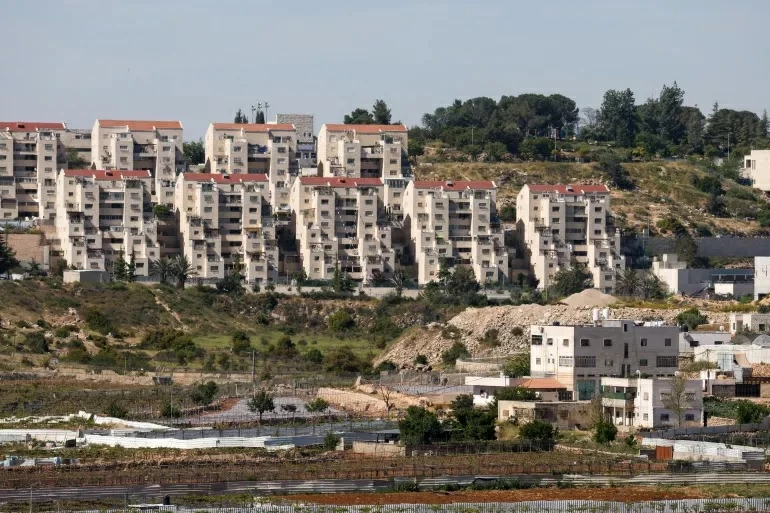
أخفق الاتحاد الأوروبي في تمرير إجراء قانوني لفرض حظر على المنتجات القادمة من الأراضي التي تحتلها إسرائيل في الضفة الغربية، بعد تصويت أقل من نصف وزراء خارجية التكتل لصالح اتخاذ إجراء بشأن هذه القضية خلال اجتماع أمس (الإثنين)، وفق ما أوردت مجلة «بوليتيكو».
ودعت مجموعة من دول الاتحاد الأوروبي المفوضية إلى حظر التجارة مع المستوطنات الإسرائيلية في الضفة الغربية المحتلة، فيما تحول إلى صراع بين مؤسسات الاتحاد الأوروبي، وبين العواصم التي تتباين مواقفها بشأن ممارسات إسرائيل في الأراضي الفلسطينية المحتلة.
وبعد اجتماع وزراء خارجية الاتحاد الأوروبي في بروكسل، أعلنت مسؤولة السياسة الخارجية كايا كالاس أنّ اقتراح حظر التجارة مع المستوطنات الإسرائيلية في الضفة الغربية «حظي بأكبر قدر من التأييد» من الدول الأعضاء. إلا أن الاقتراح لم يحصل على الأغلبية البسيطة اللازمة لإلزام المفوضية الأوروبية بتقديم عقوبات محددة للدول الأعضاء للتصويت عليها.
وقالت كالاس: تتفق جميع الدول الأعضاء الـ27 على أن المستوطنات الإسرائيلية غير قانونية بموجب القانون الدولي، مؤكدة أن سياسات الاتحاد الأوروبي الحالية لم تُسهم كثيراً في الحد من التجارة مع المستوطنات بسبب عدم اتساق تطبيقها.
وأعربت عن أسفها لعدم إمكانية اتخاذ قرار فوري بسبب موقف المفوضية، لكنها أعربت عن أملها في أنه «بما أن هناك إرادة من الدول الأعضاء... يُمكننا المضي قدماً».
وعرقلت المفوضية الأوروبية، برئاسة أورسولا فون دير لاين، الجهود الرامية إلى فرض قيود تجارية جديدة على إسرائيل، ولم تُقدّم للدول الأعضاء تدابير رسمية للتصويت عليها في اجتماع الإثنين. إلا أنها قدّمت ورقة خيارات تتضمن تدابير محتملة، منها الحظر التجاري، ونظام تراخيص الاستيراد، وفرض تعريفات جمركية مُوجّهة.
وحضرت مجموعة من دول الاتحاد الأوروبي، من بينها بلجيكا وهولندا وإسبانيا، بدعم من كالاس، اجتماع الإثنين، بهدف إجبار المفوضية على تقديم تدابير محددة للتصويت عليها، لكن 11 دولة فقط هي التي دعت فعلياً إلى اتخاذ تدابير ملموسة من المفوضية الأوروبية في الاجتماع، بحسب ما نقلت «بوليتيكو» عن دبلوماسي أوروبي مُطّلع على المناقشات، وهو عدد أقل من الأغلبية البسيطة اللازمة لإجبار الجهاز التنفيذي للاتحاد الأوروبي على اقتراح مثل هذه التدابير.
The European Union failed to pass a legal measure to impose a ban on products coming from the territories occupied by Israel in the West Bank, after less than half of the bloc's foreign ministers voted in favor of taking action on this issue during yesterday's (Monday) meeting, according to Politico magazine.
A group of EU countries called on the Commission to ban trade with Israeli settlements in the occupied West Bank, as it turned into a conflict between EU institutions and capitals that have differing positions on Israel's practices in the occupied Palestinian territories.
After the EU foreign ministers' meeting in Brussels, foreign policy chief Kaia Kallas announced that the proposal to ban trade with Israeli settlements in the West Bank "received the greatest support" from member states. However, the proposal did not achieve the simple majority needed to compel the European Commission to present specific sanctions for member states to vote on.
Kallas stated: All 27 member states agree that Israeli settlements are illegal under international law, emphasizing that current EU policies have not significantly contributed to reducing trade with the settlements due to inconsistent application.
She expressed regret that an immediate decision could not be made due to the Commission's position, but she expressed hope that "since there is a will from the member states... we can move forward."
The European Commission, led by Ursula von der Leyen, obstructed efforts to impose new trade restrictions on Israel, and did not present formal measures for member states to vote on during Monday's meeting. However, it provided a options paper that includes potential measures, such as a trade ban, an import licensing system, and targeted tariffs.
A group of EU countries, including Belgium, the Netherlands, and Spain, with Kallas's support, attended Monday's meeting with the aim of forcing the Commission to present specific measures for a vote, but only 11 countries actually called for concrete measures from the European Commission at the meeting, according to Politico, citing a European diplomat familiar with the discussions, which is fewer than the simple majority needed to compel the EU's executive body to propose such measures.