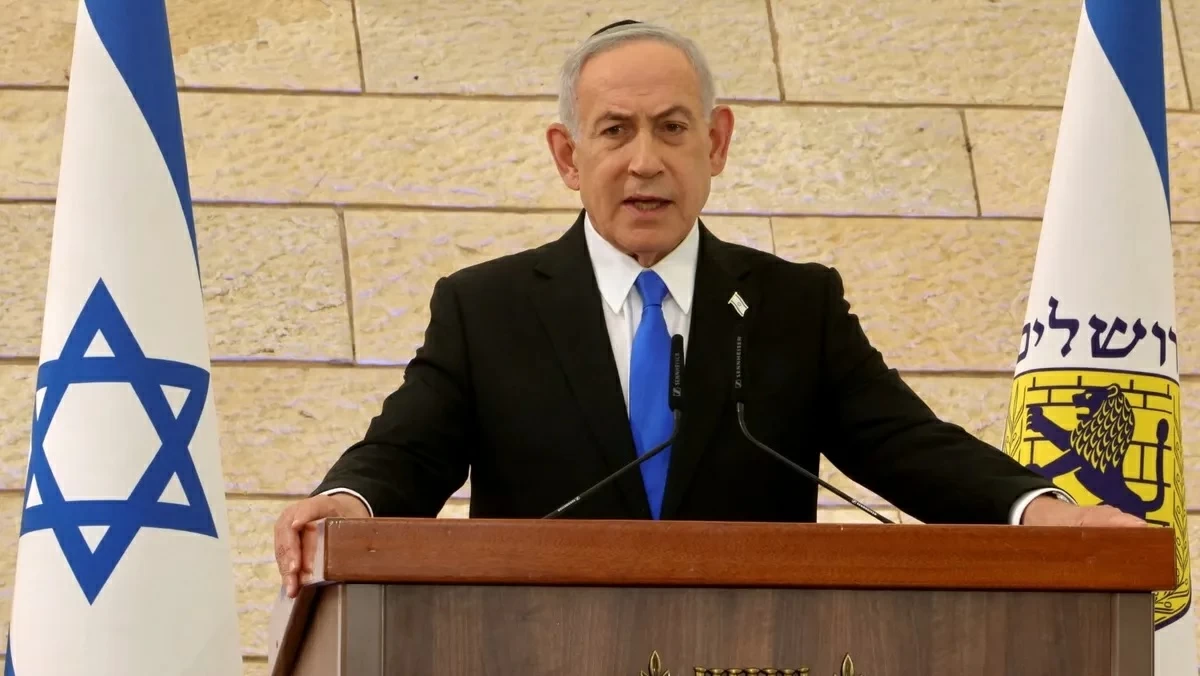
أفصح استطلاع جديد عن تراجع رئيس الوزراء الإسرائيلي بنيامين نتنياهو أمام منافسه الأبرز رئيس أركان الجيش الإسرائيلي السابق جادي آيزنكوت بفارق كبير، إذ أعلن 43% من الناخبين إنهم يفضلون آيزنكوت رئيساً للوزراء، مقابل 34% لرئيس الوزراء الحالي.
تقدم التحالف المناهض لليكود
وأظهر استطلاع القناة 12، الذي أُجري قبل انتخابات الكنيست المرتقبة في 27 أكتوبر القادم، أن الكتلتين المؤيدة والمعارضة لنتنياهو، لا تزالان على حالهما تقريباً منذ أشهر.
وسيحصل التحالف المناهض لنتنياهو على 59 مقعداً من أصل 120 في الكنيست، وفق الاستطلاع، أي أقل من الأغلبية المطلوبة البالغ عددها 61 مقعداً، بينما سيحصل تحالف مؤيدي نتنياهو على 51 مقعداً. فيما تحصل الأحزاب العربية، التي لم تنضم في معظمها إلى الحكومات الائتلافية الإسرائيلية، على المقاعد العشرة المتبقية.
ويشير تقدم آيزنكوت على نتنياهو في الاستطلاع الأخير، إلى تراجع شعبية رئيس الوزراء، وأن آيزنكوت يُعزز موقعه زعيماً للمعسكر المناهض لنتنياهو، إذ أظهرت استطلاعات رأي أخرى حديثة، أن حزبه سيحصل على أكبر عدد من الأصوات لو أُجريت الانتخابات اليوم.
وحصل مرشح آخر يسعى لخلافة نتنياهو، وهو رئيس الوزراء السابق نفتالي بينيت، على 35% من الأصوات في استطلاع رأي مباشر مع رئيس الوزراء، الذي حصل على 37%.
حزب يشار يحصد أكبر عدد
وأظهر استطلاع رأي الأحزاب، أن حزب «يشار» بزعامة آيزنكوت سيحصد أكبر عدد من المقاعد، بواقع 23 مقعداً، يليه حزب «الليكود» بزعامة نتنياهو بـ 22 مقعداً. أما حزب «بياحد» المعارض، المنتمي ليمين الوسط، بزعامة بينيت، فسيحصد 16 مقعداً.
وسيحصل كل من الحزب الديمقراطي اليساري، وحزب «إسرائيل بيتنا» المتشدد، وكلاهما معارض لنتنياهو، على 10 مقاعد، وفق الاستطلاع.
وسيحصل كل من حزب «شاس» الحريدي وحزب «يهودية التوراة الموحدة»، إضافة إلى حزب «عوتسما يهوديت» اليميني المتطرف، وجميعهم مؤيدون لنتنياهو، على 8 مقاعد، وفق الاستطلاع.
أما حزب «الصهيونية الدينية» اليميني المتطرف، الذي يمثل المعسكر المؤيد لنتنياهو، فسيحصل على 5 مقاعد. كما سيحصل كل من الحزبين العربيين، «حداش-تعال» و«رعام»، على 5 مقاعد.
4 معسكرات تتنافس خلال الانتخابات
ويخوض الانتخابات المقررة في أكتوبر القادم، 4 معسكرات رئيسية تتمثل في «تحالف نتنياهو» ويضم أحزاب الليكود الحاكم بقيادة نتنياهو، و«الصهيونية الدينية» بقيادة وزير المالية بتسلئيل سموتريتش، و«عوتسما يهوديت» (قوة يهودية) بقيادة إيتمار بن جفير، و«شاس» الذي يقوده أرييه درعي، و«يهدوت هتوراة» الذي يمثل الأحزاب الحريدية الغربية، ويقوده مجلس من الحاخامات والقيادات الحزبية.
بينما يضم المعسكر المناهض لنتنياهو أحزاب «يشار» بقيادة جادي آيزنكوت، و«بياحد» بقيادة نفتالي بينيت، و«يسرائيل بيتينو» (إسرائيل بيتنا) بقيادة أفيغادور ليبرمان، و«الديمقراطيون» بقيادة يائير لبيد.
وتخوض الأحزاب العربية الانتخابات عبر 4 قوائم هي «الجبهة الديمقراطية للسلام والمساواة»، و«القائمة العربية للتغيير»، و«التجمع الوطني الديمقراطي» و«القائمة العربية الموحدة»، وسط محاولات لتوحيدها، لكن تلك المحاولات لم تنجح حتى اللحظة.
ويتمثل المعسكر الانتخابي الرابع في إسرائيل، في تحالفات بين شخصيات وأحزاب يهودية تدعو إلى إجبار القوى السياسية المختلفة إلى الدخول في حكومة «وحدة وطنية شاملة» تستثني الأحزاب العربية.
A new poll has revealed a significant decline for Israeli Prime Minister Benjamin Netanyahu against his main rival, former Chief of Staff of the Israeli Army Gadi Eisenkot, with 43% of voters stating they prefer Eisenkot as Prime Minister, compared to 34% for the current Prime Minister.
The anti-Likud coalition leads
The Channel 12 poll, conducted ahead of the upcoming Knesset elections on October 27, shows that both pro-Netanyahu and anti-Netanyahu blocs have remained nearly unchanged for months.
The anti-Netanyahu coalition is projected to win 59 seats out of 120 in the Knesset, according to the poll, which is less than the required majority of 61 seats, while Netanyahu's supporters' coalition is expected to secure 51 seats. The Arab parties, which have mostly not joined Israeli coalition governments, will receive the remaining ten seats.
Eisenkot's lead over Netanyahu in the latest poll indicates a decline in the Prime Minister's popularity, and Eisenkot is solidifying his position as the leader of the anti-Netanyahu camp, as other recent polls have shown that his party would receive the most votes if elections were held today.
Another candidate seeking to succeed Netanyahu, former Prime Minister Naftali Bennett, received 35% of the votes in a direct poll against the Prime Minister, who garnered 37%.
The Yashar party leads in seats
The party poll indicated that the "Yashar" party, led by Eisenkot, will win the largest number of seats, totaling 23, followed by Netanyahu's "Likud" party with 22 seats. The opposition "Biahd" party, belonging to the center-right and led by Bennett, is expected to secure 16 seats.
Both the left-wing Democratic Party and the hardline "Yisrael Beiteinu," both opposed to Netanyahu, are projected to receive 10 seats, according to the poll.
Each of the Haredi "Shas" party and the "United Torah Judaism" party, along with the far-right "Otzma Yehudit," all of which support Netanyahu, are expected to receive 8 seats, according to the poll.
The far-right "Religious Zionism" party, which represents the pro-Netanyahu camp, is projected to win 5 seats. Additionally, both Arab parties, "Hadash-Ta'al" and "Ra'am," are expected to secure 5 seats.
Four camps competing in the elections
The elections scheduled for next October will feature four main camps: the "Netanyahu Coalition," which includes the ruling Likud party led by Netanyahu, the "Religious Zionism" led by Finance Minister Bezalel Smotrich, "Otzma Yehudit" (Jewish Power) led by Itamar Ben Gvir, "Shas" led by Aryeh Deri, and "United Torah Judaism," which represents the Western Haredi parties and is led by a council of rabbis and party leaders.
The anti-Netanyahu camp includes the "Yashar" party led by Gadi Eisenkot, "Biahd" led by Naftali Bennett, "Yisrael Beitenu" led by Avigdor Lieberman, and the "Democrats" led by Yair Lapid.
The Arab parties are contesting the elections through four lists: the "Democratic Front for Peace and Equality," the "Arab List for Change," the "National Democratic Assembly," and the "Unified Arab List," amid attempts to unify them, though those attempts have not yet succeeded.
The fourth electoral camp in Israel consists of alliances between Jewish figures and parties calling for the various political forces to enter a comprehensive "national unity government" that excludes the Arab parties.